Rwanda’s economy is entering 2026 on a strong footing, with the latest Economic Bulletin from the Ministry of Finance and the National Bank of Rwanda confirming that growth, labour market gains and private investment remain central pillars of the country’s resilience.
Despite global headwinds, the domestic outlook shows Rwanda outperforming the regional average and maintaining one of Africa’s fastest growth trajectories.
According to the report, real GDP expanded by 7.2 percent in the first half of 2025, supported by a stronger-than-expected rebound in agriculture and the continued expansion of the services sector.
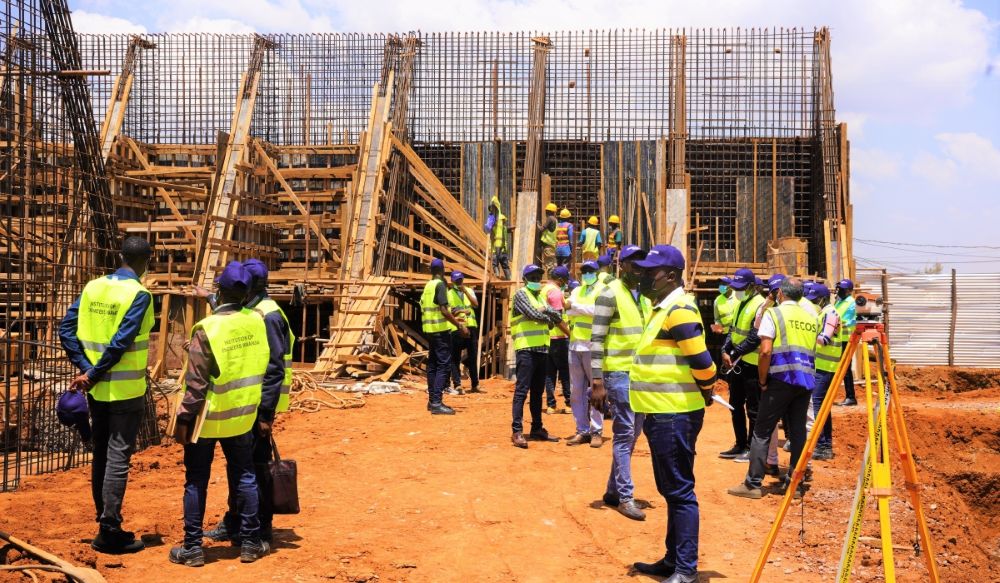
Construction and industry also posted solid results, reflecting large-scale investments in infrastructure, most notably the New Kigali International Airport.
“The economy continues to demonstrate remarkable agility, maintaining momentum through targeted investment and disciplined economic management,” the report says, with the labour market having mirrored this trajectory.
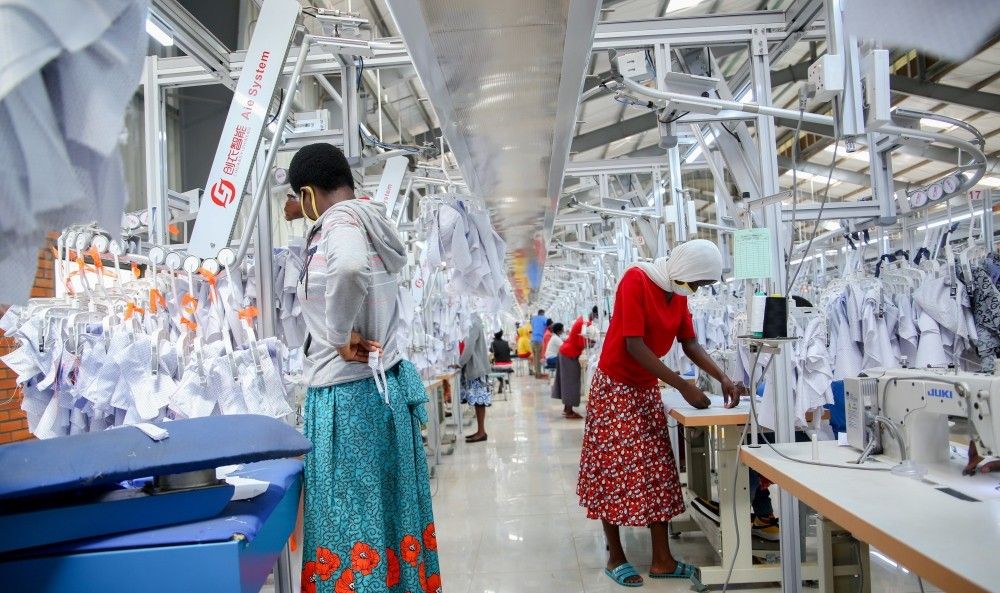
The unemployment rate improved to 13.4 percent in the third quarter of 2025 from 15.3 percent a year earlier, an indication of rising productivity and broader economic participation.
Gains were concentrated in agriculture, retail trade, transport services, construction, and manufacturing, all sectors that benefited from the ongoing recovery.
With the labour force participation rate rising to 65.8 percent, Rwanda’s economy continues integrating more young people into productive activities.
The report notes that growth will remain strong, averaging around 7 percent in 2025 and rising gradually to 7.6 percent by 2027. Much of this expansion will be driven by private consumption and investment, both supported by a stable financial sector and improved credit access.
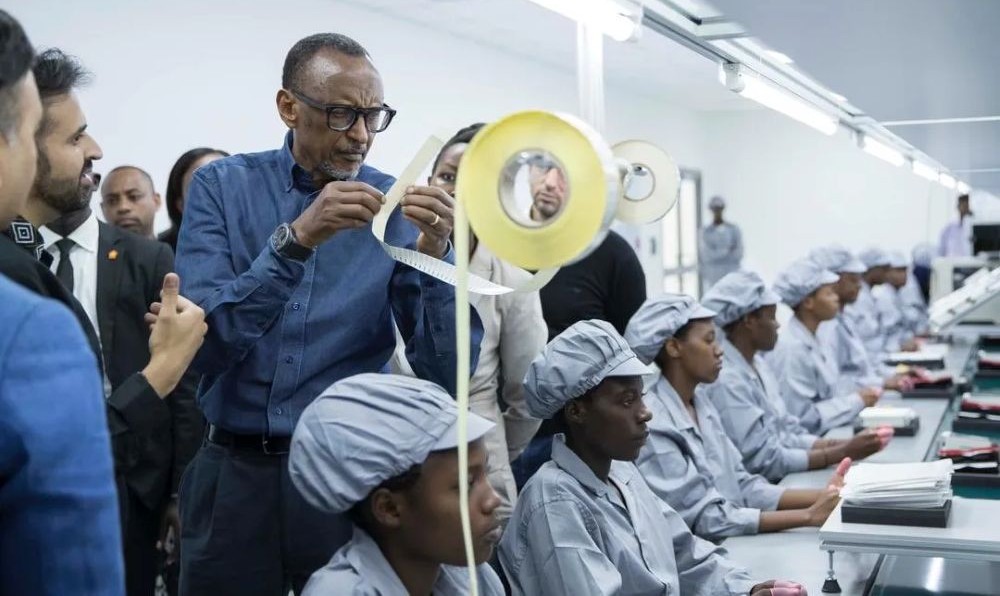
The bulletin highlights that credit to the private sector grew by 19.5 percent in 2025Q3, reflecting heightened business activity.
“The private sector is playing a central role in this recovery phase. Our monetary stance is designed to support sustainable lending and economic stability,” the National Bank of Rwanda indicated.
Inflation has remained within the official target band of 2–8 percent, although temporary pressures were observed in core and energy prices during the third quarter.
Headline inflation eased to 7.1 percent by October, and projections show a gradual decline throughout 2026, helped by improved food production and stabilizing global commodity markets.
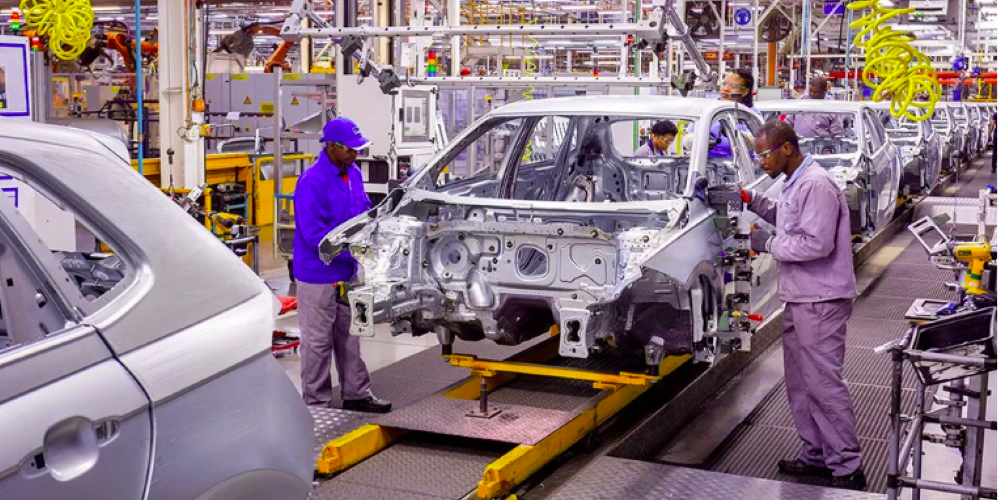
Despite a moderate widening of the trade deficit driven by higher imports of food, machinery and industrial inputs, exports increased by 9.5 percent, with processed goods, coffee, tea and minerals showing particularly strong performance.
The resilience of the external sector stands out as well and officials say rising export diversification is beginning to cushion Rwanda against global volatility. Taken together, these trends reveal an economy that has adapted to post-pandemic realities and remains firmly on a growth path.
The fundamentals are strong. Rwanda has a solid labour market, steady investment flows, and a consistent medium-term outlook. Our priority now is to ensure that this growth remains inclusive and resilient.”