
Guinea-Bissau plunged into political turmoil on Wednesday when senior military officers announced they had deposed President Umaro Sissoco Embaló, suspended the country’s ongoing election process and taken full control of the state.
The dramatic move comes just three days after nationwide presidential and legislative elections whose outcome was still pending. The announcement has sent shockwaves through the fragile West African nation.
In the early afternoon, soldiers appeared on state television asserting they had assumed power under a new leadership body they called the “High Military Command for the Restoration of Order.”
They declared all state institutions suspended, closed land, sea and air borders, imposed an immediate curfew and pledged to govern until further notice.
President Embaló himself confirmed his removal. “I have been deposed,” he told a French broadcaster, adding that he was being held at the general staff headquarters but was unhurt.
Eyewitnesses described scenes of heavy gunfire around the capital, Bissau, during the takeover. Security forces reportedly surrounded the presidential palace, key government buildings and the headquarters of the national electoral commission, shortly before the military’s televised declaration
The coup derailment follows an election that had already stirred intense suspicion. On 23 November 2025, voters cast ballots in presidential and legislative polls in a country where both the incumbent and his main challenger, Fernando Dias, declared victory before any official tally.
The main opposition force, PAIGC, and its leader, former Prime Minister Domingos Simões Pereira, were disqualified from the race, fueling widespread criticism and concerns over fairness.
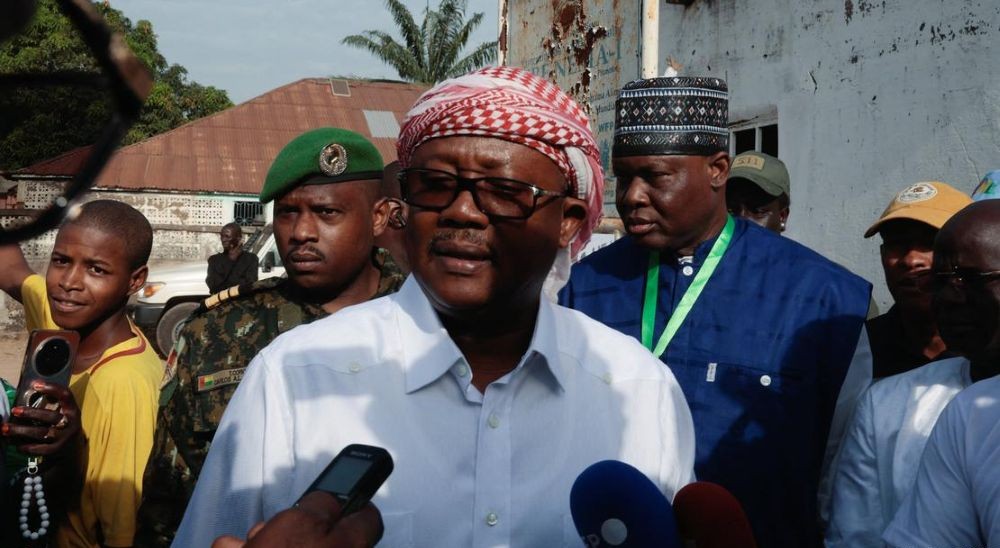
In justifying their takeover, the military claimed to have uncovered a plot aimed at destabilizing the country. According to the new leadership, the plan involved national politicians and foreign actors, who sought to manipulate election results.
As a result, the anticipated announcement of official election results scheduled for Thursday has been suspended indefinitely. Observers warn that this disruption deepens the uncertainty gripping the nation.
The new military rulers also reportedly shut down all media broadcasts, sealed off electoral commission offices, and imposed a nationwide curfew. Checkpoints manned by presidential guard troops and elite gendarmerie units now line major roads and border crossings.
Guinea-Bissau, a country long plagued by instability, now faces a renewed cycle of uncertainty. Since independence in 1974, it has lived through multiple coups and attempted power seizures. This latest upheaval threatens to erase hopes that the 2025 election might deliver stability.
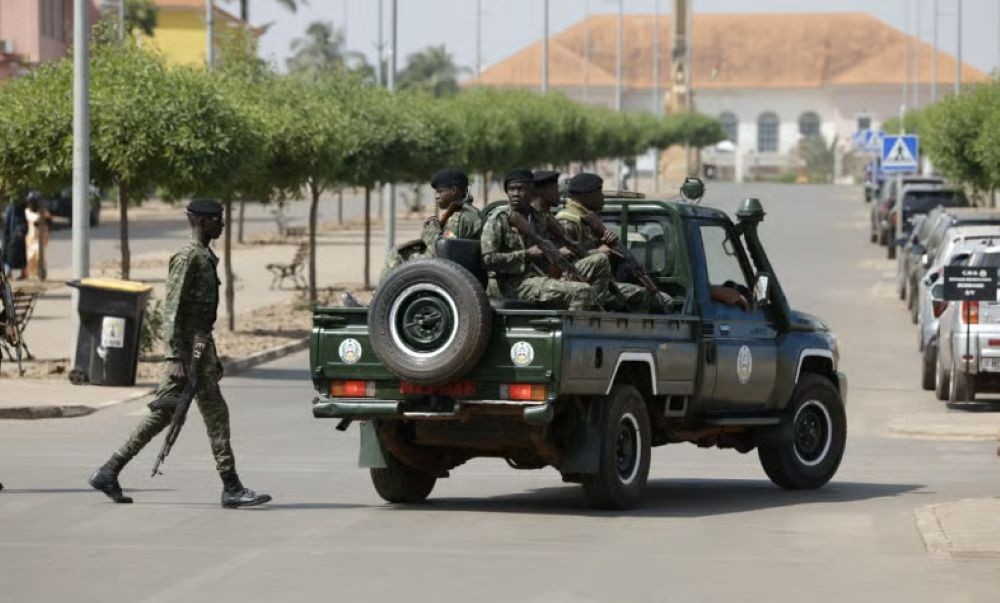
The military’s actions cast doubt on the future of democracy in the country, and raise serious concerns about institutional collapse, civil liberties, and international repercussions.
For many Guineans, the events of Wednesday may signal a return to old patterns of governance, ruled by might rather than mandates. With constitutional order suspended, borders sealed, and the vote abandoned, the path forward remains deeply uncertain.
As the new power holders assert their control, the world watches closely. The legitimacy of any future government will depend not only on how military leaders restore order, but also whether they commit to returning the country to civilian rule, respect democratic institutions and enable a credible path toward inclusive governance.

