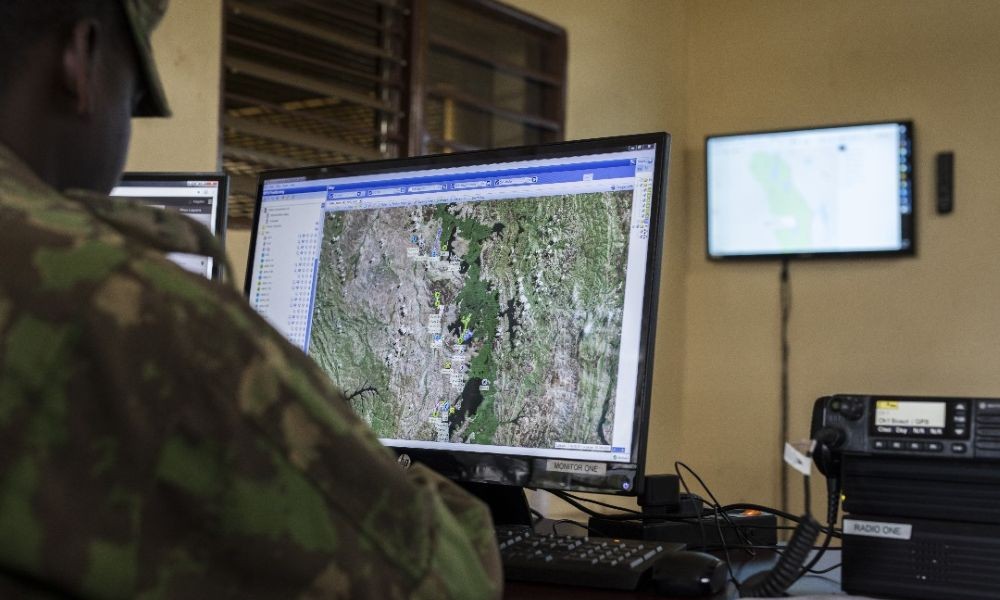
Akagera National Park has undergone a major conservation shift in the past decade, and one of the most transformative tools driving this change is wildlife tracking.
From real-time location updates to systematic field identification, tracking has improved how park authorities monitor species, protect habitats, and plan long-term management.
Tracking as a conservation tool became especially important as wildlife numbers increased and ecosystems recovered. With the return and growth of species such as lions, rhinos, leopards and giraffes, the need for accurate monitoring grew.
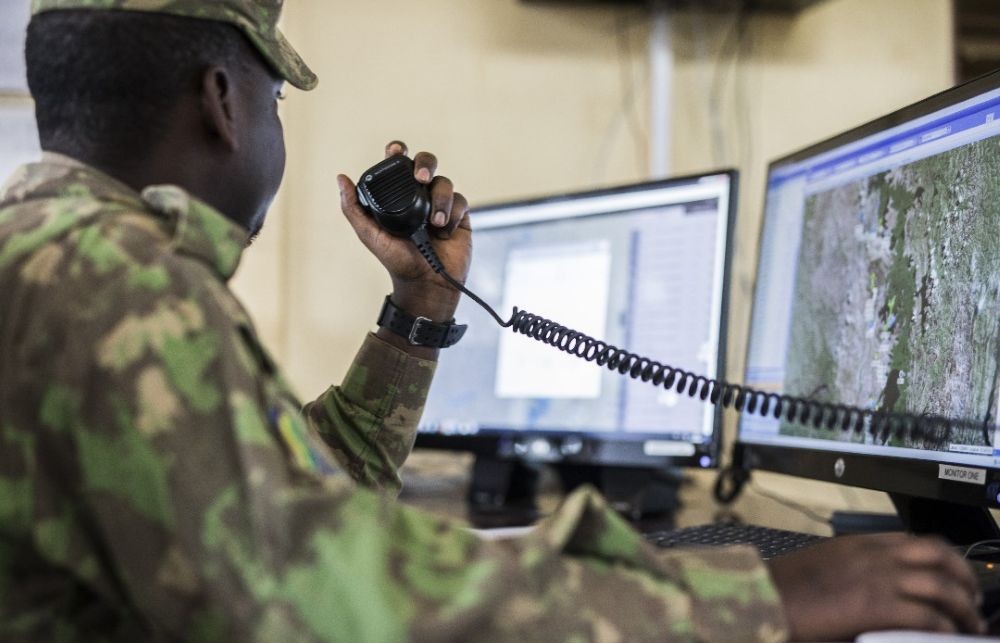
The Conservation and Research Department developed a system that integrates regular field surveys, GPS technology and detailed photographic databases.
This has strengthened patrol planning, informed habitat management and improved the park’s ability to respond to seasonal movements, community-side risks and emerging ecological pressures.
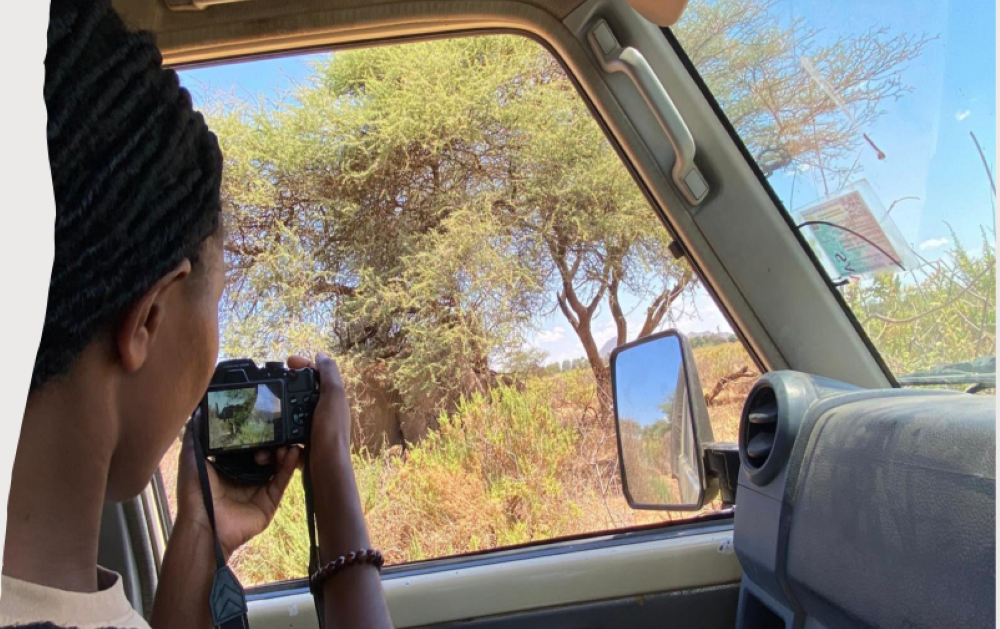
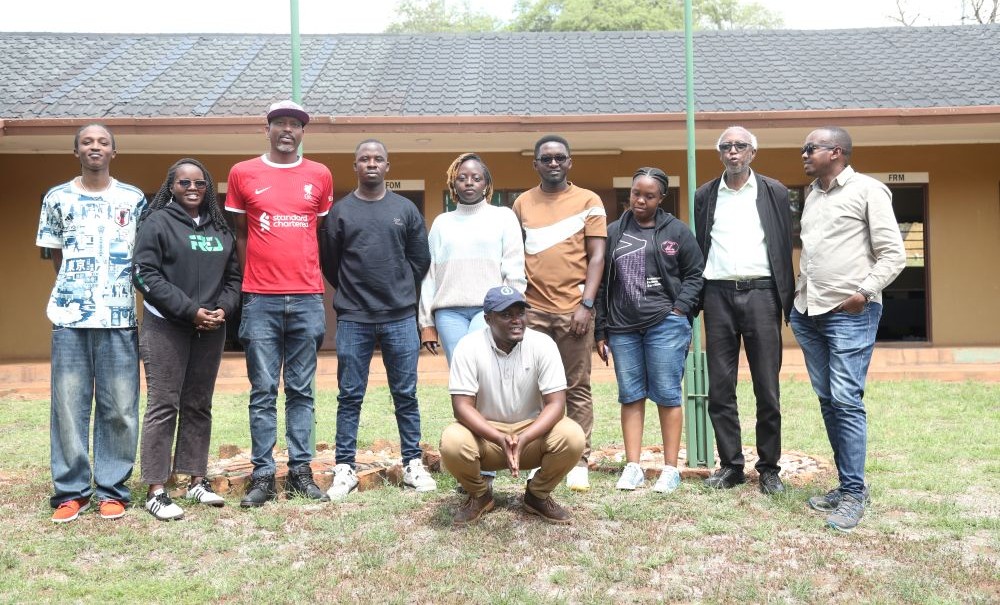
During a recent field visit by members of Rwanda Environmental Journalists (REJ), it was revealed that the process is not limited to following animals. It involves identifying behaviour patterns, monitoring ecosystem responses and ensuring that conservation decisions are based on verified scientific evidence.
Elephants provide the clearest example of how this approach works in practice, but the benefits extend far beyond a single species. The combination of technology, field research and constant data processing is shaping a safer and more sustainable future for all wildlife in Akagera.

Elephants as a case study in effective tracking
The monitoring of elephants stands out as one of Akagera’s most advanced tracking programs. Elephants were reintroduced to the park in 1975 when 26 individuals were moved from Bugesera.
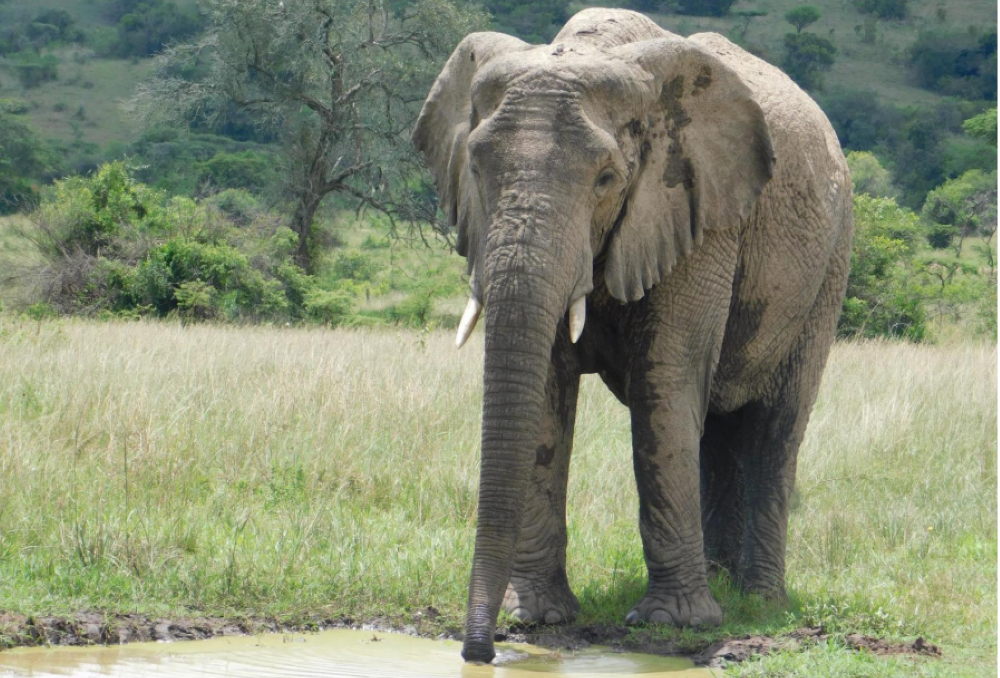
The population has since grown to more than 142, supported by a system that prioritizes close observation, timely data and field verification. Out of this population, at least 92 elephants have been individually identified.
Each one is catalogued with updated photographs showing ear structures, tusk characteristics, scars and other defining marks. This identification method has created a reliable database that continues to guide daily and long-term conservation work.
One of the key elements of elephant tracking is the use of GPS collars. Dominant females and selected bulls are fitted with collars that send hourly updates to the Earth Ranger platform.
This live data helps rangers and researchers understand how elephants move across the park, how herds split or regroup and how they respond to changes in vegetation, rainfall or temperature.
It also allows quick reaction when elephants move toward boundary areas where community interactions may occur.
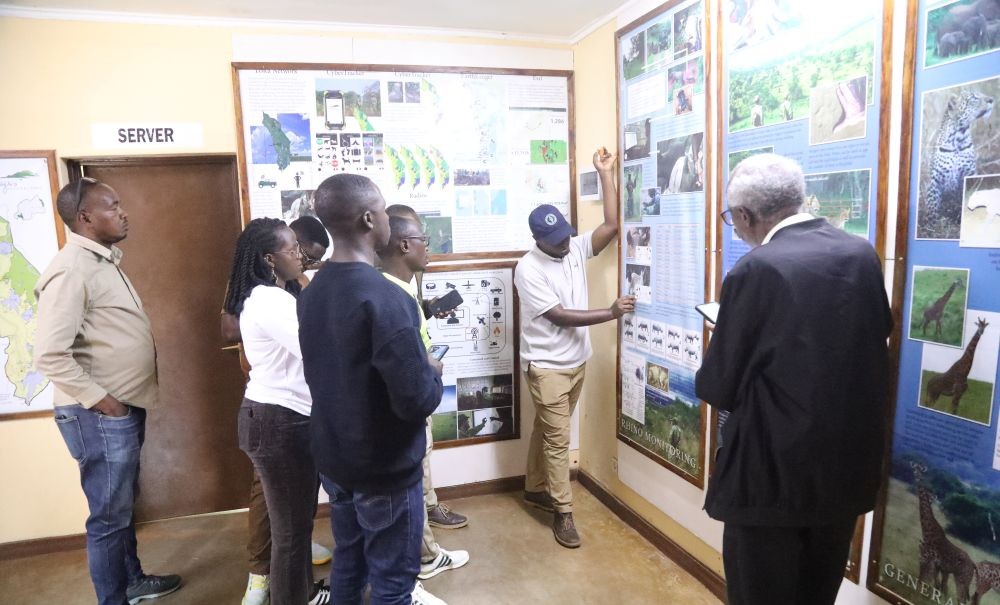
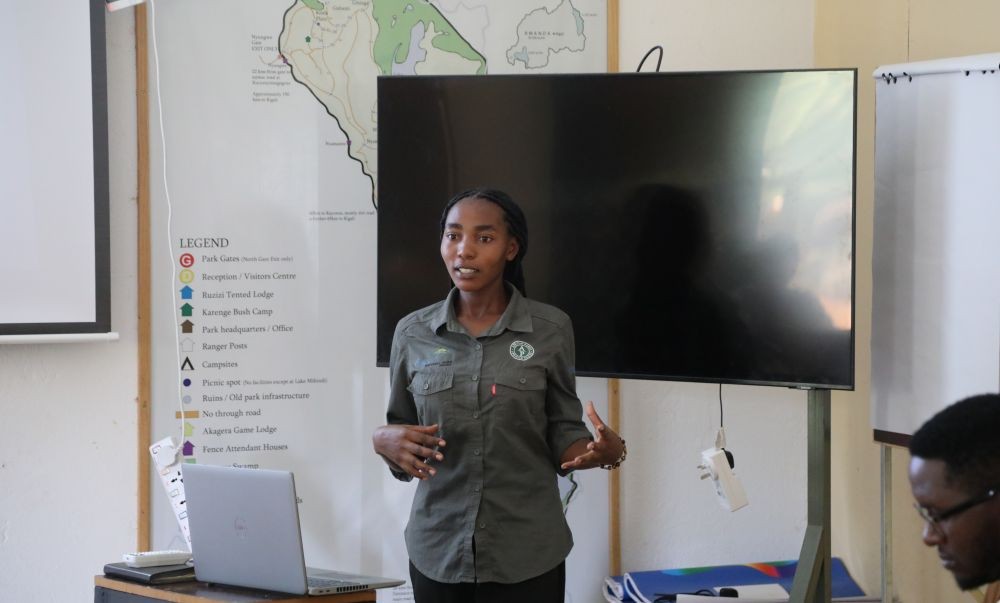
According to Emerance Tuyipfukamire from the Conservation and Research Department, “tracking the matriarchs gives us a direct understanding of herd behaviour, and it improves how we anticipate movement patterns and direct patrols.”
The usefulness of this tracking extends to the wider conservation system. Elephants shape vegetation, create pathways, and open feeding areas that benefit other herbivores. Understanding where elephants move helps predict where grazers and predators are likely to be.
This supports patrol distribution, habitat assessments and planning for pressure on grasslands and wetlands. Tracking is therefore not species-specific; it creates a broad ecological picture that strengthens decision-making across the park.
Field excursions also contribute to the success of the tracking program. Every two months, the research team spends five days in the field locating elephant groups and updating photo records. The combination of collar data and physical observation ensures that the database remains accurate.
After each field activity, the team processes hundreds of images to confirm identities, update records and add new elephants when necessary. This accuracy is what enables the park to study population trends, monitor calf survival and understand social group structures.
A holistic system supporting all wildlife
What the elephant case study demonstrates is how a well-coordinated tracking system can elevate conservation across the entire park. Similar tracking approaches support the monitoring of lions, rhinos, leopards, giraffes, butterflies, dung beetles and birds.
Habitat tracking, grass surveys and water quality monitoring are linked to the broader goal of ensuring that all species benefit from informed management. The presence of accurate, constantly updated data reduces guesswork and allows managers to adjust strategies when conditions change.
Akagera’s tracking system also improves anti-poaching efforts. Real-time animal locations help patrol teams prioritize vulnerable zones, especially during dry seasons or when wildlife concentrates near water points.
The presence of GPS collars has contributed to early detection of abnormal movement patterns and reduced response times during emergencies. Tuyipfukamire explained that “the difference today is that patrols are informed by real data. We know where animals are, what areas need reinforcement and when to intervene.”
This system has also strengthened community engagement. Local guides often participate in identification work and learn how to recognize individual animals, which builds a sense of ownership around wildlife protection.

Communities living near the park benefit indirectly because early detection of animal movements reduces the risk of wildlife leaving the park, particularly elephants, which can cause damage to crops if they wander beyond protected boundaries.
Tracking has supported research partnerships as well. External researchers rely on Akagera’s updated databases to study migration, genetics, behaviour and ecosystem health. Consistent monitoring provides datasets that are rare in many wildlife areas, making Akagera a strong research destination.
In practical terms, wildlife tracking is contributing to the stability and growth of Akagera’s biodiversity. Increasing elephant numbers, successful rhino monitoring and strengthened predator management all reflect the value of combining technology with fieldwork.
The growth of elephants from 26 in 1975 to more than 142 today shows what systematic monitoring and strong management can achieve. This reflects a broader conservation success that extends to all species benefiting from shared ecosystems.
This animal tracking system remains one of the most important tools shaping the future of wildlife conservation globally. In Rwanda, it’s built on accuracy, discipline and scientific evidence to support the entire ecosystem.