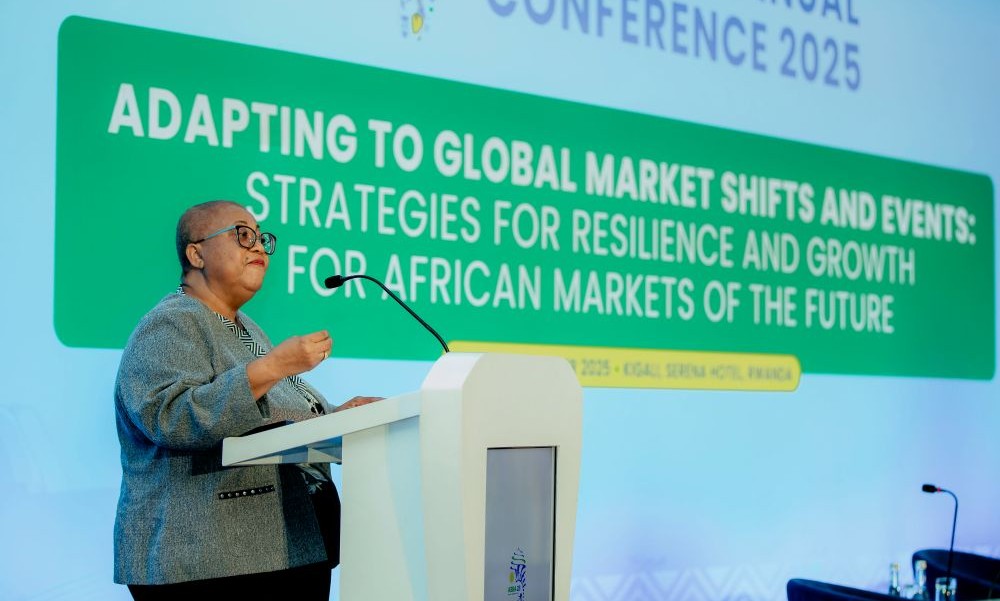
The rise of the Jamaica Stock Exchange (JSE) is one of the most compelling stories in global finance, a transformation built not on vast resources or a powerful economy, but on strategy, resilience, and a bold belief in the power of equity.
Today, the JSE is recognized as one of the world’s top-performing stock markets, repeatedly praised by international investors. Yet its ascent began from a place where there was almost nothing.
According to JSE former Managing Director Marlene Street Forrest, there was no strong investment culture, limited public trust and a private sector dominated by small businesses that feared the very idea of listing.
She often reflects on the early days with a single defining question of how to build a vibrant equity market when your own population believes the stock exchange is not for them.
Her observation is that Jamaicans new that they needed equity, but they were afraid of it. Investors distrusted the market and SMEs feared disclosure. But both sides needed each other for the country to grow.
The story of the JSE’s rise is the story of how those fears became the foundation for a new financial culture. She gave a remarkable anecdote of this journey while attending the 2025 African Securities Exchanges Association (ASEA) conference in Kigali.

Building an equity culture from the ground up
For decades, Jamaica’s economy relied overwhelmingly on debt financing. More than 80% of local businesses were small and medium-sized enterprises, many of them locked out of affordable loans and unable to access growth capital.
At the same time, ordinary Jamaicans stayed away from the market, convinced that investing was a privilege for the wealthy. A national equity culture simply did not exist.
Street Forrest recalls the moment this challenge became undeniable. “We commissioned a study, and the findings were clear: people didn’t trust the stock market, SMEs didn’t trust the listing process, and both felt the risk outweighed the reward,” she said.
The JSE realized that education alone would not change perceptions, the system itself needed to shift. This, she says, led to one of the most impactful policy innovations in Jamaica’s financial history.
“a groundbreaking corporate tax incentive for junior market companies was introduced where SMEs listing on the Junior Market received five years of zero corporate tax, followed by a 50% reduction for the next five years,” she says.
But this incentive came with discipline, a mandatory 15-year listing requirement, governance standards, and strict callback provisions. It was a partnership where if one committed to transparency and governance, the country would support their growth.
Alongside policy reform, the JSE launched intensive training for investors and SMEs through the JSE e-campus, helping build technical capacity, financial literacy, and confidence. International partners like the IDB supported gap analyses and training program to prepare SMEs for listing.
The JSE also refused to dilute its standards. Instead, it built new support systems, mandatory mentors, governance structures, and reporting frameworks, ensuring SMEs could meet global expectations while growing sustainably.
By 2009, the first Junior Market listings appeared. The response was immediate, IPOs were fully subscribed, and Jamaicans began showing interest in equity for the first time.

From a bare foundation to global recognition
As the Junior Market grew from a value of just US$5 million to a multibillion-dollar pillar of Jamaica’s economy, the main market surged, investor participation expanded, and the JSE index skyrocketed from a base of 100 to more than 3,500.
Street Forrest often recounts stories that illustrate this shift. One day, her barber showed her his investment statement with pride, proof that the market had become accessible to ordinary Jamaicans.
In another case, a domestic worker who received IPO shares through her employer was stunned by her gains. “This must be wrong. I am rich,” she said. These and other such moments reflected a new national mindset about ownership, opportunity, and wealth creation.
For SMEs, the impact was transformative. Dozens of companies raised capital, expanded operations, built new governance frameworks, and in several cases migrated to the main market after strong growth.
Professionals across the ecosystem, brokers, accountants and attorneys, supported the movement by offering discounted services to new listings.

By the mid-2010s, Jamaica’s stock exchange became a global standout, topping world performance charts and attracting major foreign investment. Investors from larger economies travelled to Jamaica to study the model.
They wanted to understand how a small island nation, with limited resources and a modest population, had built one of the world’s most dynamic financial ecosystems from practically nothing.
Street Forrest captures the approach in one line: “We don’t wait for the market to come to us. We go out and build it.” The JSE became proactive, identifying promising companies, inviting them to list, and developing tailored solutions that matched Jamaica’s economic realities while maintaining global standards.
Today, the JSE remains a regional leader and an international reference point for how developing economies can build strong, inclusive capital markets. The exchange continues to expand through digital innovation, new listings, and collaborations across the Caribbean and Africa.
“The blueprint exists; every country must adapt it to their own needs. What matters is the courage to start and the belief that equity can transform lives,” Street Forrest says.
The Jamaica Stock Exchange did not rise because of wealth, it rose because of vision, policy, innovation, and a commitment to trust. And in doing so, it proved that even a market built from nothing can become a world-class success story.

