Rwanda is advancing its collaboration with the United States across key sectors of energy innovation and environmental conservation, in a move that underscores the country’s vision for sustainable growth and technological self-reliance.
While in Washington, D.C., Prime Minister Dr. Justin Nsengiyumva held bilateral meetings with U.S. officials and development partners aimed at deepening cooperation in nuclear energy, natural gas, and critical mineral development, as well as in nature conservation efforts across Africa.
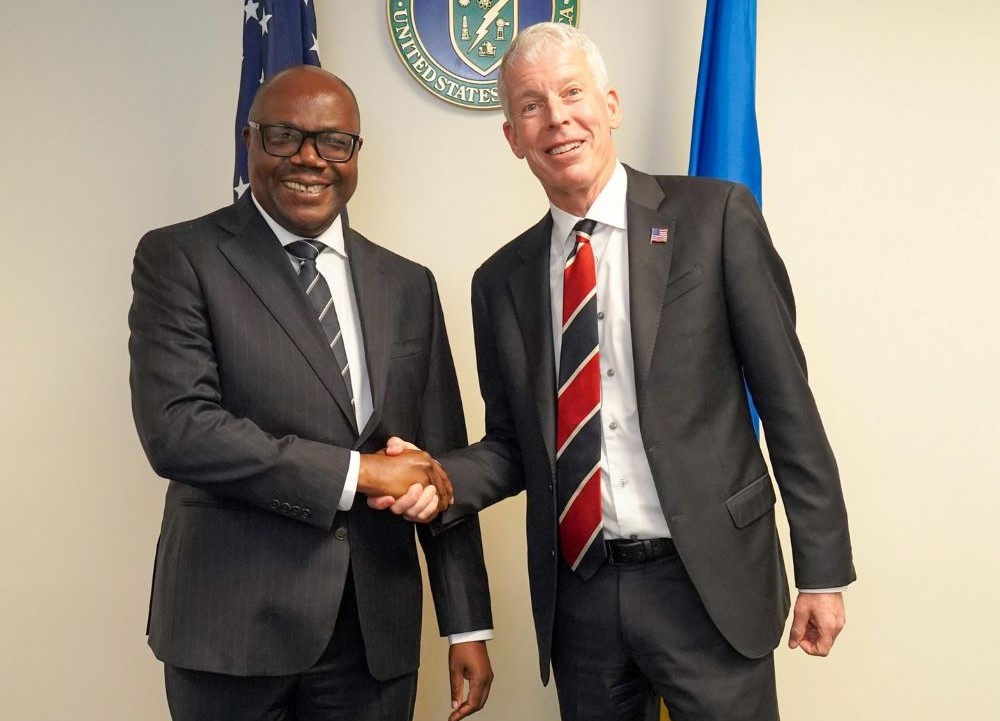
During his meeting with U.S. Secretary of Energy Chris Wright, Nsengiyumva discussed new areas of cooperation to help Rwanda diversify its energy mix through small modular reactors (SMRs), natural gas use, and local processing of strategic minerals vital for industrialization.
Both leaders described the talks as a “renewed commitment to practical innovation that links energy security with long-term sustainability.”
With this, Rwanda is not just expanding its power generation capacity, its investing in knowledge, technology, and responsible innovation that will drive transformation for generations.
The discussions come as Rwanda accelerates its National Strategy for Transformation (NST2), which places nuclear technology at the center of future energy, agriculture, and health applications.

The government aims to explore new and cleaner energy sources that can sustainably meet the rising national demand for electricity, projected to exceed 3,700 megawatts by 2035 and nearly 14,000 megawatts by 2050.
According to data from the Rwanda Energy Group (REG), the country’s installed energy generation capacity rose from 156 megawatts in 2014 to over 400 megawatts in 2024, reflecting a steady expansion that is now being complemented by investments in emerging technologies.
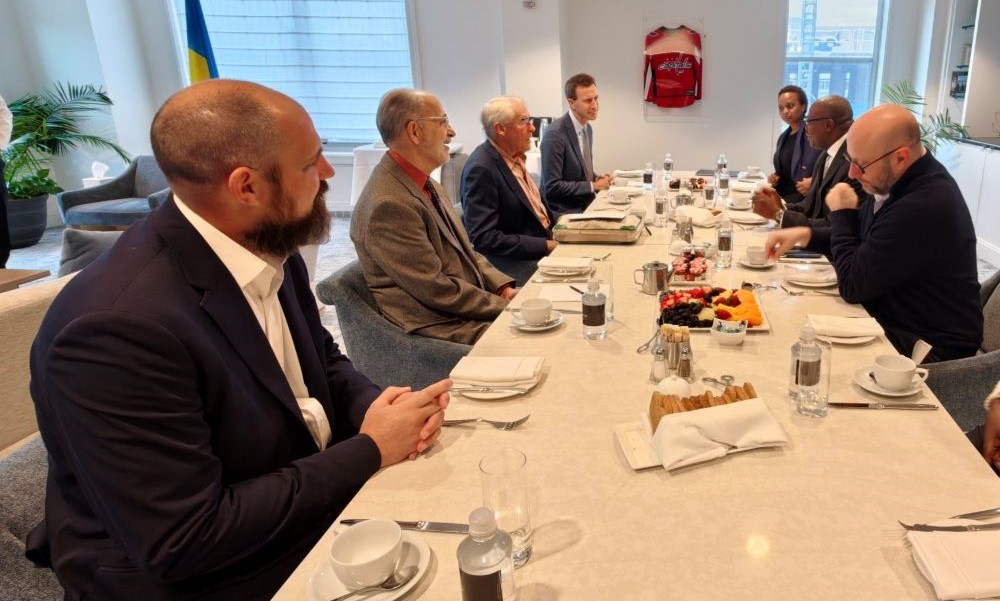
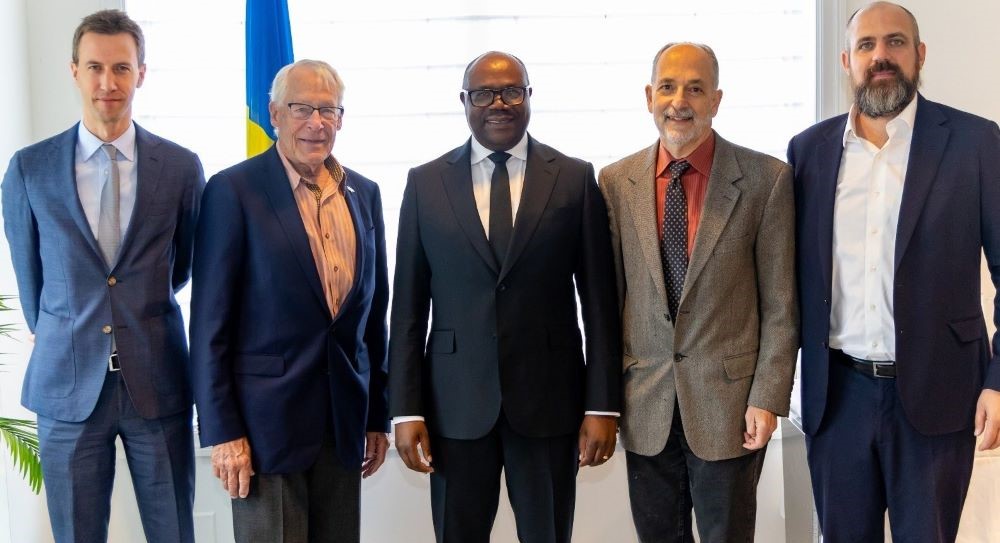
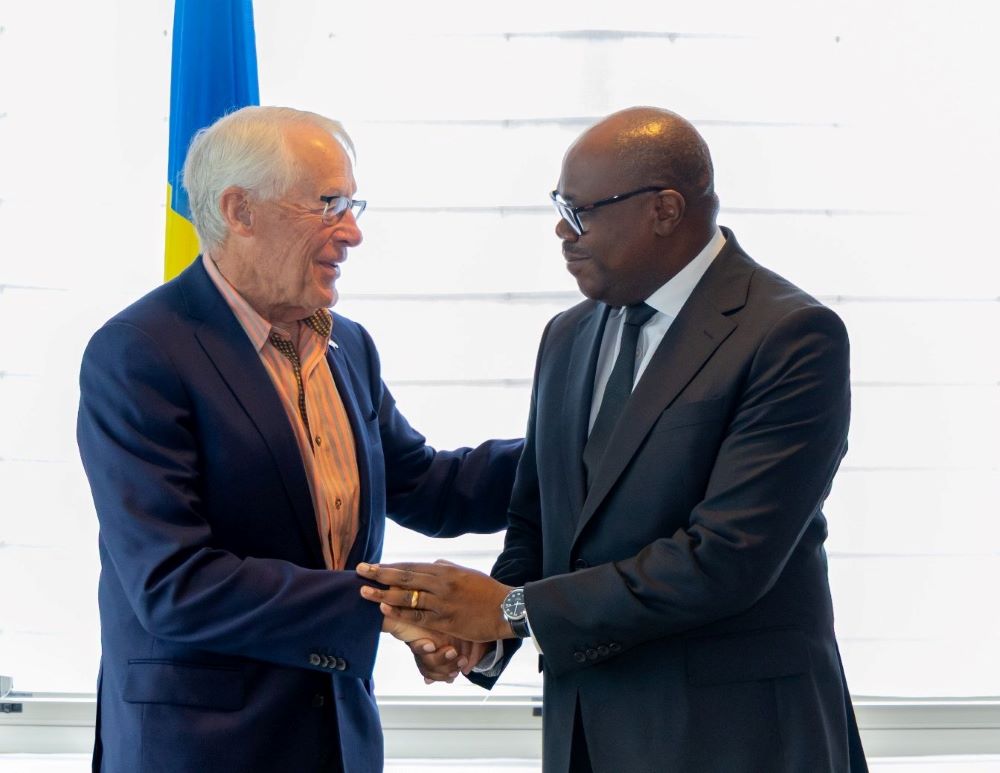
In a separate meeting, the PM also met Mr. Rob Walton, founder of the Rob Walton Foundation, to discuss strengthening collaboration on nature conservation projects in Rwanda and across Africa.
Rwanda’s conservation agenda is part of a national identity. Working with partners like the Rob Walton Foundation enhances capacity to protect biodiversity while ensuring that communities benefit directly from conservation efforts.
These engagements build upon Rwanda’s recent progress in nuclear research and application. In September 2025, Dr. Fidel Ndahayo, Director General of the Rwanda Atomic Energy Board (RAEB), presented Rwanda’s ongoing projects to the International Atomic Energy Agency (IAEA) in Vienna.
Among them are initiatives such as “Rays of Hope” for cancer treatment, “Atoms4Water” for water quality protection, and “ZODIAC” for early detection of animal-borne diseases.
Rwanda is also moving ahead with plans to establish a Center for Nuclear Science and Technology (CNST) in Bugesera district, which will serve as a regional hub for nuclear research, medicine production, and training.
In partnership with international experts, Rwanda intends to train at least 234 specialists by 2028 to operate future nuclear facilities safely and efficiently.
Ndahayo explained that nuclear development will not only support electricity generation but also bolster medical, agricultural, and industrial innovation.
“We are building the technical and institutional capacity that will enable Rwanda to responsibly harness nuclear science for peace and prosperity,” he said.
These advances are central to Rwanda’s Vision 2050, which seeks to transform the nation into a high-income economy powered by clean and reliable energy. The country is positioning itself as a pioneer in Africa’s next phase of sustainable industrialization.