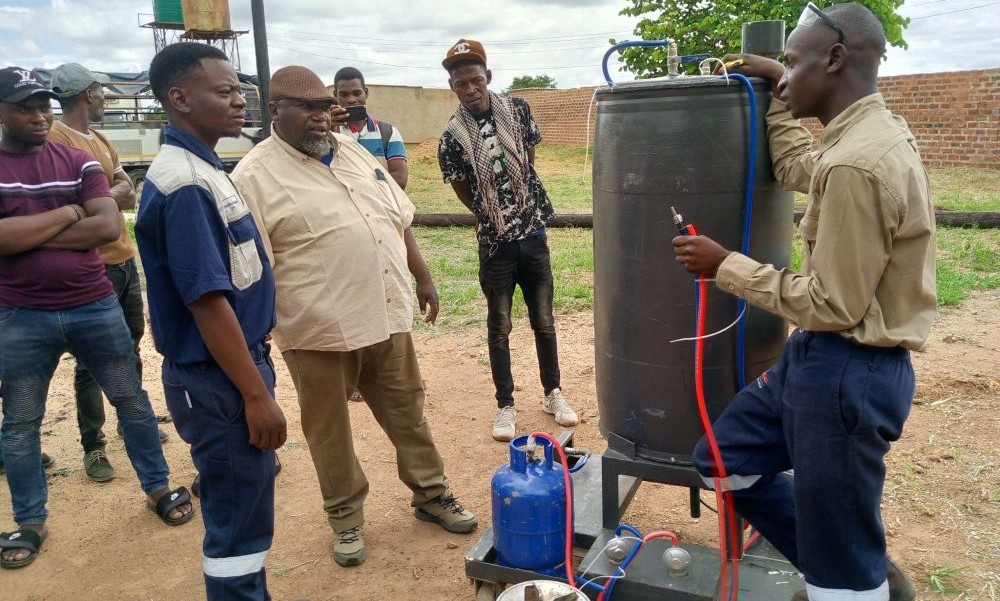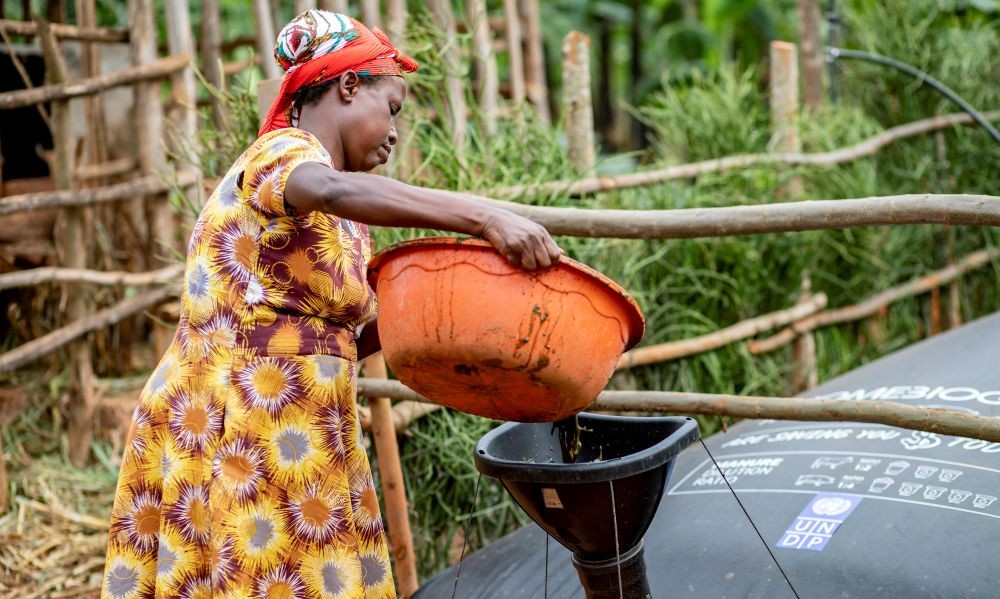
Rwanda’s Minister of Infrastructure, Dr. Jimmy Gasore, has announced major reforms to the national biogas program to support the country’s transition to cleaner and more sustainable cooking energy.
Speaking to members of the Senate this week, Gasore said the redesign aims to reduce reliance on firewood and charcoal, which remain the primary cooking fuels in the country.
According to the Seventh Integrated Household Living Conditions Survey (EICV7), the share of households using clean cooking energy, such as gas, biogas, or electricity, rose to 5.4% in 2024, up from just 1% in 2017. Despite this progress, 75% and 18.8% of households still depend on firewood and charcoal respectively.
Senators expressed concern that the biogas program, launched nearly two decades ago, has not delivered its expected impact. They questioned why more than 75% of the systems had stopped functioning and asked the ministry to explain how the renewed program would avoid repeating past failures.
Senator Donatille Mukabalisa noted that biogas could significantly reduce pressure on forests if implemented effectively. Senator Uwera Peragie sought clarity on what new measures will ensure the system’s long-term viability.
Senator Dr. Frank Habineza described the project as “a major investment with little return,” urging the government to reconsider how biogas can be deployed successfully, particularly since it has performed well in institutions such as prisons.
Gasore acknowledged that the program, initiated in 2006, fell short of its goals. Out of more than 10,000 systems constructed nationwide, only about 15% are still operational. He attributed the shortcomings to weak project planning, insufficient day-to-day monitoring, and poor selection of beneficiary households.
He said the revamped program will be guided by new criteria identified in recent studies systems will be allocated only to households with at least three cows, reliable access to water, and proper livestock feeding practices.
The ministry has already launched a scaled-down pilot in the Eastern Province in partnership with UNDP.
“This new phase is promising. Once we fully understand what works, we will expand the initiative to other regions, ensuring the model is sustainable and avoiding the challenges we faced before,” Gasore said.
A 2022 report by the Office of the Auditor General revealed that 8,354 of the 10,913 biogas digesters built across the country were non-functional, despite the government investing more than Rwf 3 billion in subsidies.