
The Africa Centre of Excellence for Sustainable Cooling and Cold-Chain (ACES) and the Clean Cooling Network (CCN) have achieved a major milestone after their Train the Trainer program in Kigali received formal accreditation from the UK’s Institution of Agricultural Engineers (IAgrE).
The recognition elevates the initiative into a globally recognized academic pathway, enabling students to earn a Postgraduate Certificate (PGCert) in Train the Trainer – Clean Cooling and a Master of Science (MSc) in Clean Cooling.
The accreditation marks a significant advancement in professionalizing the fast-growing clean cooling and cold-chain workforce across developing nations.
According to IAgrE, the accreditation affirms the program’s strong academic standards and its alignment with the Institution’s mission to promote engineering excellence, innovation, and sustainability across agriculture, environment, and food systems.
“We recognize the high standards applied to the program and the alignment with our core professional and educational values. We look forward to our continued collaboration in maintaining the quality and relevance of professional training provision,” said Charles Nicklin, CEO of the IAgrE.
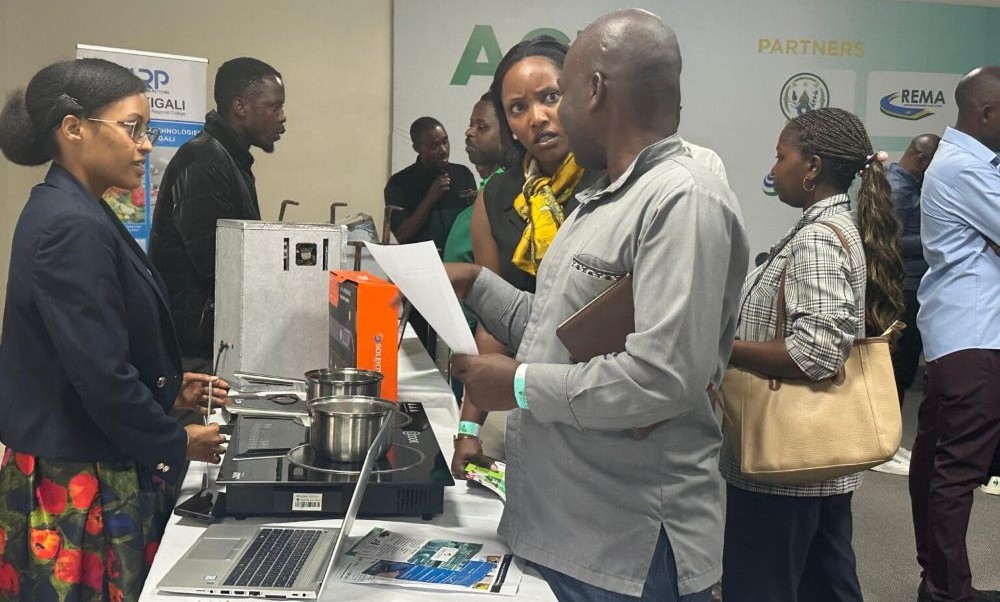
The program, hosted at the ACES campus in Kigali, provides rigorous, hands-on training through a series of ten one-week modules. Trainees gain practical expertise in refrigeration, cold-chain applications, cooling hub design, and business models for the food and pharmaceutical sectors.
Graduates of the one-year course earn a PGCert, while those who pursue an additional year of advanced study specialize in areas such as sustainable cooling, postharvest management and value addition, or cold-chain business models, culminating in an MSc degree.
Globally, an estimated 526 million tons of food, equivalent to nearly 12% of total production, is lost every year due to the lack of effective cold-chain systems. In Africa, postharvest losses for perishable produce range from 30 to 50 percent, directly impacting food security, rural incomes, and greenhouse gas emissions.
By equipping engineers, technicians, and trainers with advanced skills, ACES and CCN aim to turn this challenge into opportunity, empowering communities to develop efficient, low-carbon cooling systems that preserve food, safeguard public health, and strengthen livelihoods.
According to Professor Toby Peters, Founding Director of ACES and Co-Founder of the Clean Cooling Network, this is a moment of genuine significance.
“To move from our first pilot course to full accreditation at PGCert and MSc levels reflects the collective innovation and shared vision that drive our mission. This recognition establishes a professional pathway for a sustainable cooling future,” he said.

The program’s academic structure was developed through a partnership involving the University of Birmingham, Cranfield University, and London South Bank University, with funding support of more than £25 million from the UK Department for Environment, Food & Rural Affairs (Defra).
The investment underpins efforts to accelerate sustainable, resilient, and equitable cold-chain solutions in developing countries, contributing to global goals on food security, climate resilience, and inclusive growth.
With more than 3,000 members worldwide, IAgrE’s endorsement not only validates ACES and CCN’s educational excellence but also strengthens their institutional foundation for future research collaborations and partnerships.
The accreditation now positions Rwanda’s ACES campus as a global model for clean cooling education, an innovation hub where engineering, sustainability, and climate action converge to shape the next generation of professionals powering climate-resilient development.

