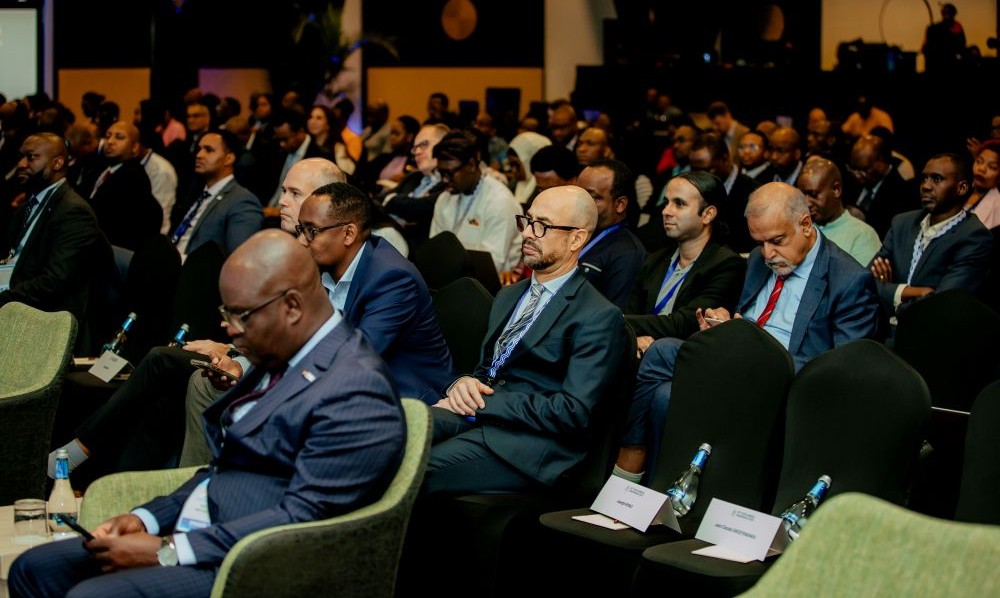
The 2025 ASEA annual summit in Kigali unfolded at a time when African capital markets are being reshaped by new pressures, new technologies and an accelerating push toward sustainable finance.
It was in this dynamic environment that Sunil Benimadhu, Chief Executive of the Stock Exchange of Mauritius (SEM), offered one of the summit’s clearest roadmaps on how the continent can design regulation that is both innovation-friendly and resilient.
Speaking in an exclusive interview on the sidelines of the summit, he set out a vision for regulatory systems capable of supporting market growth without weakening the discipline and trust required to safeguard investors.
Kigali provided a symbolic stage for such a conversation. The Rwanda Stock Exchange used the summit to launch its Green and Sustainable Finance Window, a major development that positions Rwanda at the forefront of climate-aligned capital mobilization in the region.
This was accompanied by the introduction of a multi-currency trading framework, a move that expands the country’s appeal to global investors seeking transparent, accessible and diversified African markets.
These reforms, presented during the summit, underscored Rwanda’s commitment to building markets defined by modern infrastructure, adaptive regulation and long-term vision.
Benimadhu argued that African capital markets can only achieve their potential through regulatory frameworks that anticipate the future rather than cling to the past. He stressed that regulation must remain strong, credible and protective, while also flexible enough to accommodate new products and new business realities.
“Modern markets need rules that can evolve. Regulation must support innovation instead of restricting it. If it becomes a barrier, we lose the momentum required to deepen our markets,” he said.
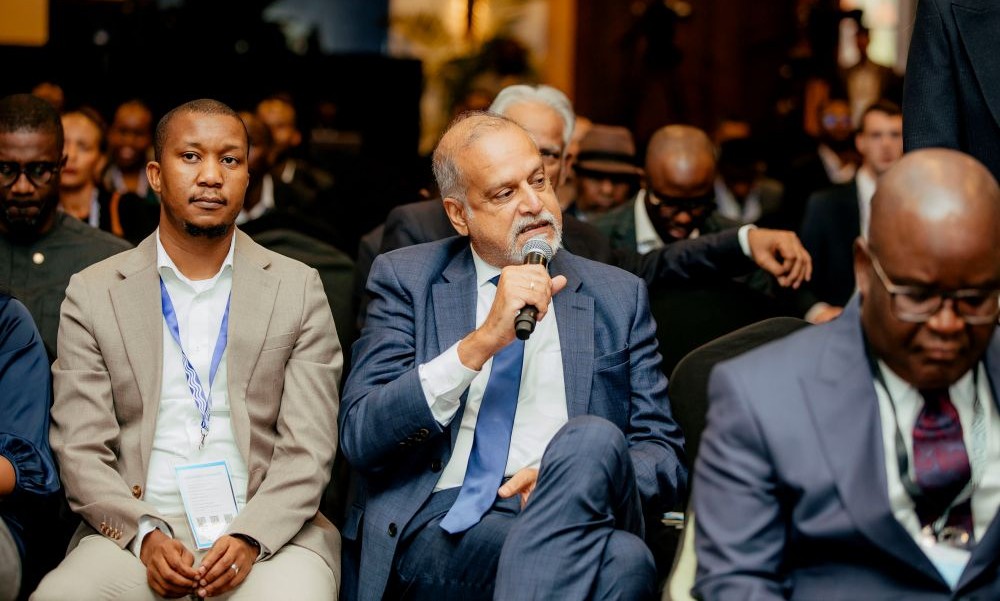
He explained that exchanges frequently encounter issuers whose business models or capital needs fall outside the scope of outdated listing standards. When frameworks fail to reflect the realities of emerging companies, markets risk losing opportunities for new listings, new investment flows and broader participation.
Benimadhu emphasized that updating listing requirements is not about lowering standards but about ensuring they remain relevant, consistent and aligned with international best practice, citing Rwanda’s recent progress as a demonstration of how strong alignment between policy and market strategy can ignite growth.
He added that while exchanges carry the responsibility of building infrastructure and maintaining transparency, they cannot on their own create vibrant markets. A deeper ecosystem is needed, one that includes governments, regulators, pension funds, development banks, private investors and the corporate sector working toward shared objectives.
Building regulatory flexibility for a new era
A central theme in Benimadhu’s perspective was the necessity of regulatory flexibility. He noted that African markets are moving quickly into new areas such as sustainable finance, digital platforms and diversified cross-border investment flows.
For these innovations to thrive, regulatory systems must evolve with equal speed. Rules that were designed for traditional markets cannot accommodate the complexity of instruments such as green bonds, digital securities or multi-currency listings unless they are deliberately modernized.
He praised Rwanda’s efforts as a model of how an exchange can lead the conversation by combining innovation with credible oversight. The launch of the Green and Sustainable Finance Window, he said, signaled a serious shift toward long-term, impact-driven financing.
Meanwhile, the multi-currency framework demonstrates Rwanda’s ambition to position itself in the broader African and global financial landscape.
“Rwanda has shown that vision and infrastructure matter more than size. It is proving that smaller markets can set regional standards when they adopt forward-looking reforms,” he said.

Strengthening the ecosystem that sustains vibrant markets
Benimadhu noted that the most successful markets in the world expanded through deliberate strategies such as privatizing profitable state-owned enterprises, offering tax incentives to publicly listed companies and ensuring that government securities are actively traded on local exchanges.
“When governments define measurable goals, market development becomes intentional. Investors respond, companies respond, and markets gain the depth and confidence they need,” he said.
He further highlighted the importance of development finance institutions, including regional and international partners, that often serve as early investors in high-growth private firms.
Encouraging such companies to list once they reach maturity would broaden ownership and strengthen domestic wealth creation. “Listing is how we democratize economic opportunity. It allows citizens to participate in the success of their strongest enterprises,” he said.
Africa’s financial future will not be determined by scale but by smart regulation, strong collaboration and the courage to innovate. The path is straightforward; Africa does not need to reinvent the wheel. It must adapt it, strategically, boldly and with the future firmly in view.