The road to Uganda’s 2026 general elections has officially begun, with a wave of fresh faces and bold voices stepping forward to challenge President Yoweri Museveni’s decades-long hold on power.
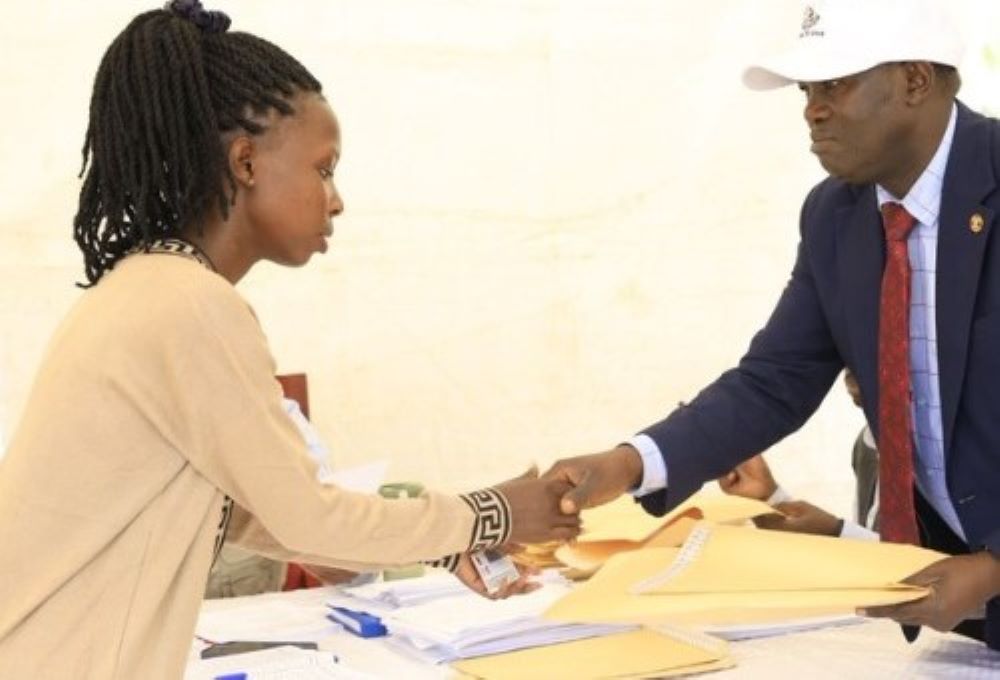
On August 11, the Electoral Commission (EC) opened the process for issuing presidential nomination forms, and by the close of the first day, at least 51 aspiring candidates had picked them up.
From the very first hours of the exercise, held at the EC headquarters on Seventh Street in Kampala’s Industrial Area, there was an unmistakable energy, a surge of interest led largely by young Ugandans.
While seasoned political figures and party representatives were present, the most striking development was the arrival of youthful contenders who see the upcoming election as a rare chance to redefine the nation’s political future.
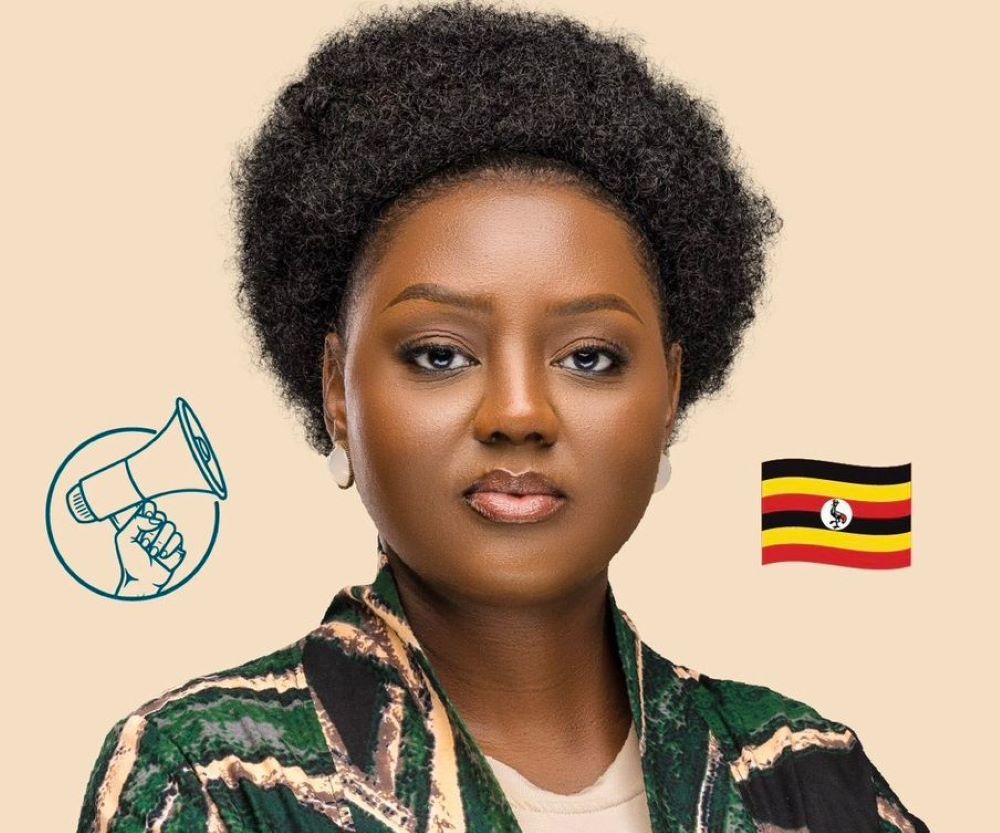
Among them is Yvonne Mpambara, a well-known activist and social justice advocate who declared her candidacy with a promise to “end the old game of politics.”
In a message to Ugandans both at home and abroad, Mpambara framed her bid as “a bold step towards national renewal, healing, and justice.” She argued that leadership must “shift hands” and truly reflect the diversity of the nation.
From women and youth to farmers, gig workers, medics, veterans, and creatives, her campaign, she said, will reject lavish, taxpayer-funded rallies in favor of grassroots organizing and inclusive dialogue.
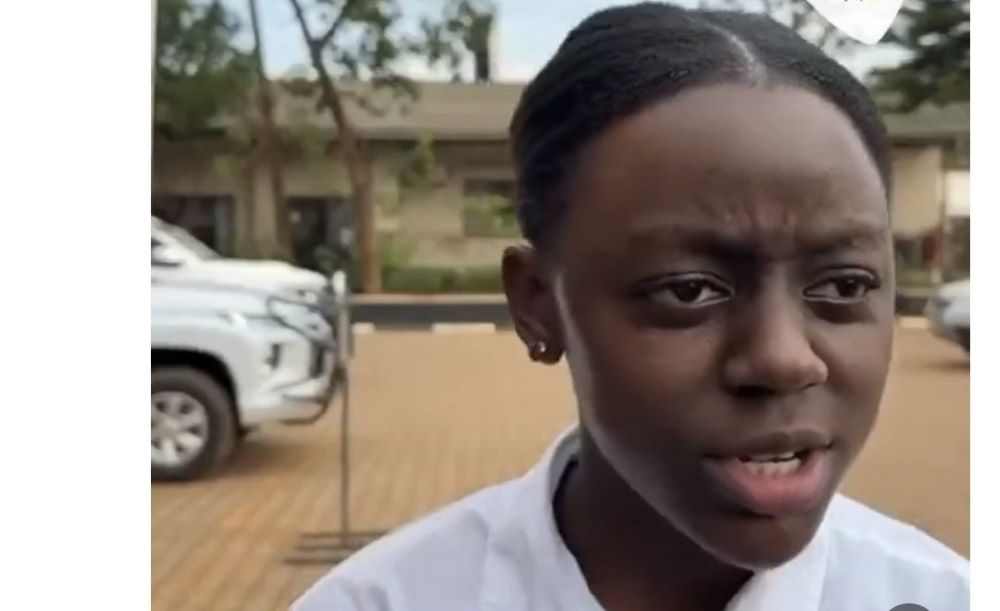
The list of first-day aspirants also includes 24-year-old Pollin Nankambwe, a law student at Uganda Christian University in Mukono. Nankambwe has pledged to root out corruption “from its foundations” and to build a society where opportunities are shared fairly.
Her candidacy stands out as one of the youngest bids in the country’s political history, signaling a generational push against entrenched power structures.
Equally notable is 20-year-old Jolly Najjemba, fresh from completing her high school. Her entry reflects the growing sentiment among the youth that political leadership should not be an exclusive preserve of the older elite.
Other young hopefuls include former Makerere University Business School guild president David William Magezi and 25-year-old Sam Koojo from Fort Portal. Former presidential candidate John Katumba has also returned to the field, joining the ranks of independent contenders.
Of the 51 who collected forms on day one, six were women and 45 were men. Two acted on behalf of political parties, the Conservative Party and the National Economic and Empowerment Dialogue (NEED), while the remainder registered as independents.
According to EC spokesperson Julius Mucunguzi, the requirements for entry into the presidential race are clear and demanding. The process is governed by the Presidential Elections Act, which sets strict timelines and guidelines for submission.
Aspirants must gather signatures from at least 100 registered voters in no fewer than 98 of Uganda’s 147 districts, amounting to a minimum of 9,800 verified supporters. They must also be Ugandan citizens, registered voters, and pay a non-refundable nomination fee of Shs 20 million.
The EC has stressed that aspirants must physically collect their forms, enabling the Commission to document and notify relevant district authorities to offer lawful support during the signature-gathering process.
The collection window will remain open until September 24, 2025, after which all submissions will be verified ahead of the formal nomination period.
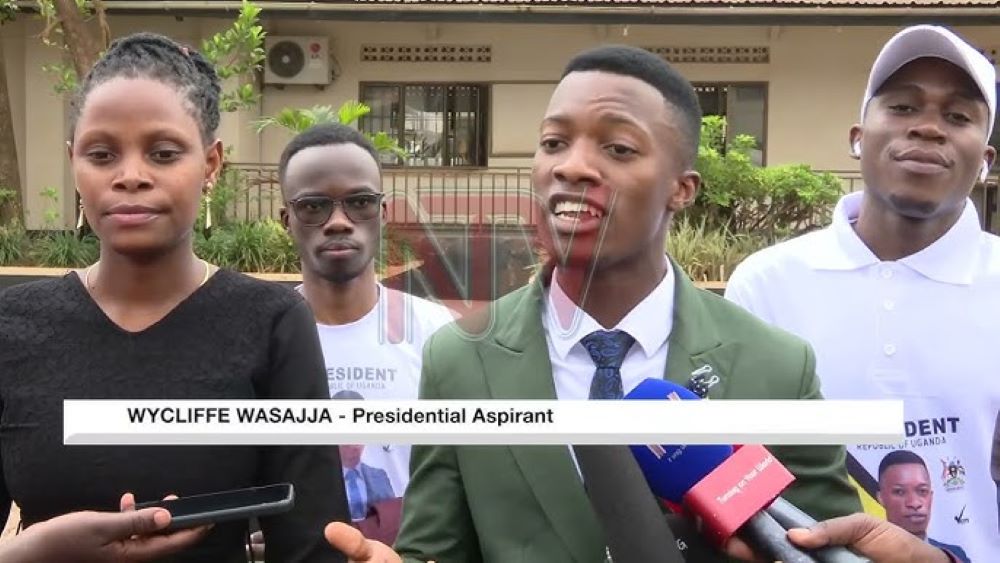
Observers say the surge of interest, especially among first-time and youthful aspirants, points to a potentially crowded and unpredictable presidential field.
Many see this as a test of whether Uganda’s political culture is ready to accommodate new visions, grassroots movements, and leadership that directly reflects the frustrations and aspirations of everyday citizens.
As the race begins, the 2026 election is shaping up not merely as a contest for the presidency but as a confrontation between deeply rooted political traditions and a rising generation determined to rewrite the rules of leadership.
Whether these young contenders can translate early enthusiasm into nationwide support remains to be seen, but one thing is clear, Uganda’s electoral stage has rarely felt this alive.