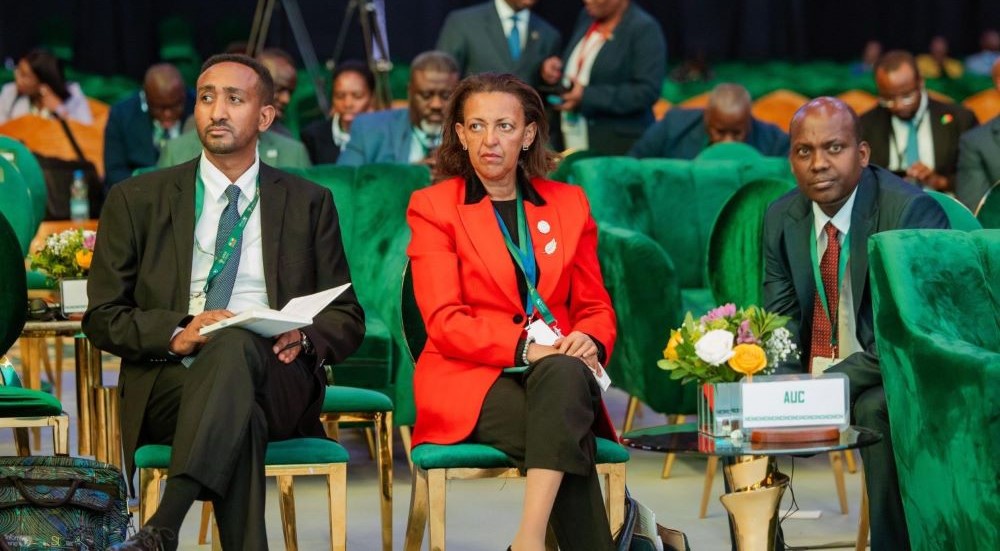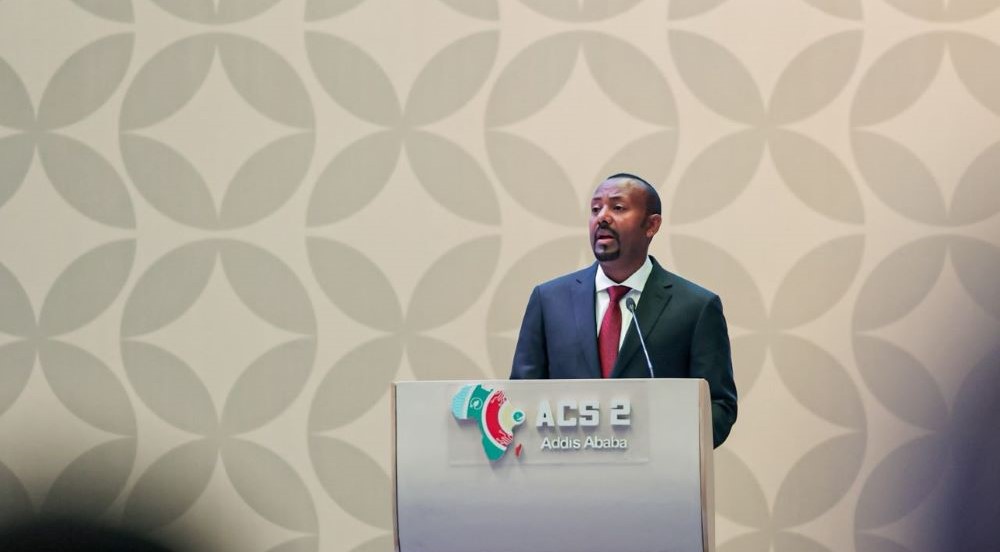
At the second Africa Climate Summit in Addis Ababa, Ethiopia, Rwanda reaffirmed its unwavering commitment to climate resilience while amplifying Africa’s collective call for fairer climate financing.
Delivering the national statement on behalf of President Paul Kagame, Minister of environment Dr. Bernadette Arakwiye emphasized both the urgency and opportunity embedded in Africa’s climate journey.
Addressing leaders and delegates, Arakwiye praised the summit as “a defining moment for our continent,” where Africa is no longer portrayed as a mere victim of the climate crisis but as a driver of innovative solutions.
She reminded the global community that although Africa contributes less than four percent of global emissions, the continent bears a disproportionate share of the impact, spending over five percent of its GDP on responses to climate shocks, often at the cost of mounting debt.
“This summit demonstrates that Africa is not only raising its voice on the urgency of climate change but also shaping pathways for a sustainable future. We come together not simply as those most affected, but as leaders of a new development model that is inclusive, resilient, and forward-looking,” she said.
Rwanda’s vision and call for fair finance
In her statement, Arakwiye outlined Rwanda’s progress with its updated climate action plan, NDC 3.0, which is designed to align with the country’s long-term Vision 2050 of building a resilient, carbon-neutral economy.
“Climate resilience is at the very heart of Rwanda’s development agenda,” she said, noting that the draft strategy is in its advanced stage and will further elevate the nation’s ambition but also candidly acknowledged the limits of ambition without adequate resources.
“The global climate finance system too often shifts benchmarks and access requirements, leaving frontline nations struggling to secure the support they need. This undermines trust and pushes us further from our shared climate goals,” she remarked.
Despite these hurdles, Rwanda has pioneered practical instruments to mobilize green finance at home, including the Green Fund, Ireme Invest, and the Rwanda Green Taxonomy. These initiatives, she explained, represent the country’s transition from scattered projects to coherent, programmatic frameworks that deliver results at scale.
She urged stronger international commitments, more equitable partnerships, and urgent reforms of the global climate financing system. “We call for a system that ensures fairness, adequacy, accessibility, and affordability, with a strong emphasis on grants rather than loans to avoid worsening Africa’s debt burden,” Arakwiye declared.
She underscored that financing Africa’s climate priorities must not be seen as charity, but rather as an investment in a shared future.
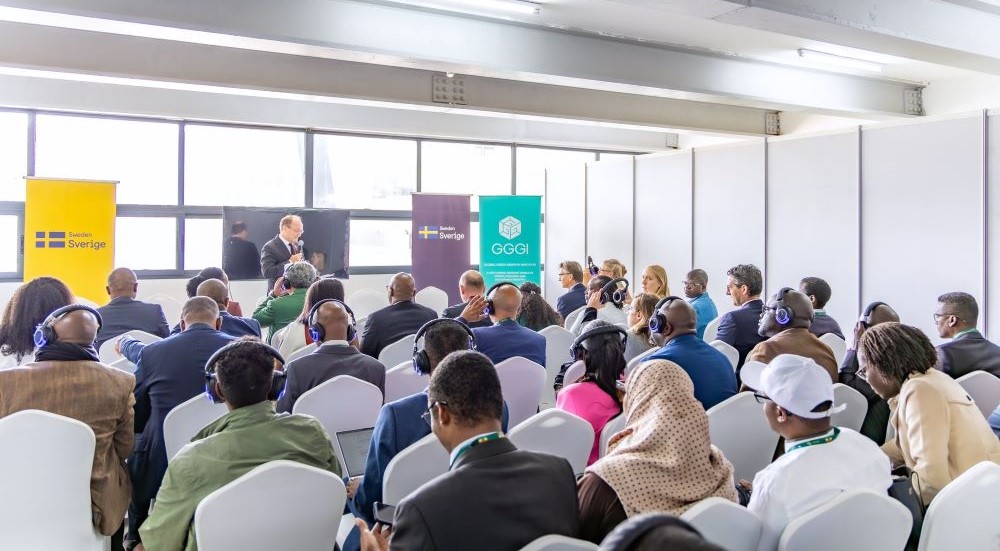
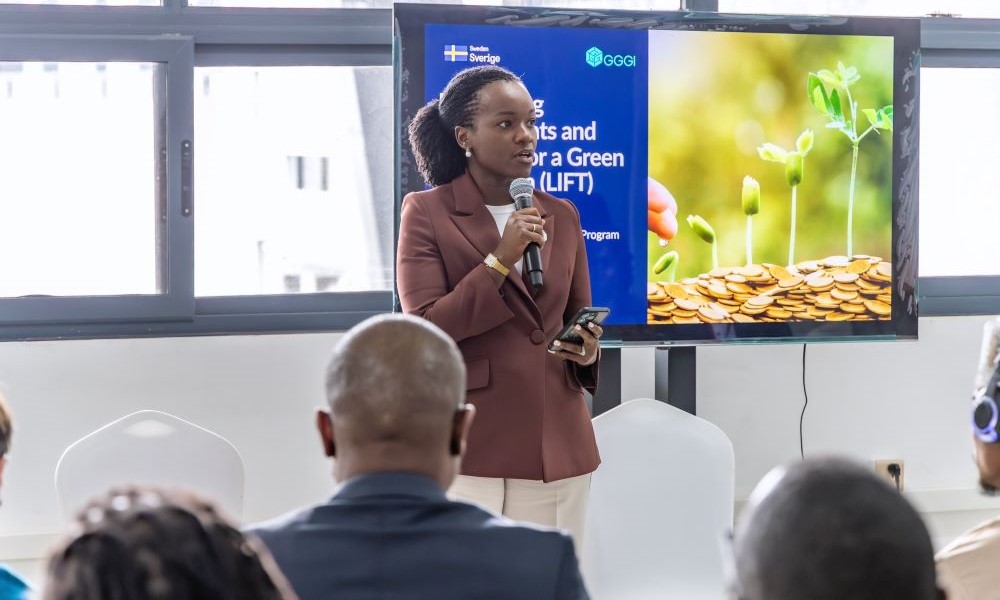
Arakwiye also joined the Global Green Growth Institute (GGGI) in a high-level side event that launched the Leveraging Investments and Finance for the Green Transition (LFT) program. Rwanda was named among the initiative’s priority countries, a recognition of its leadership in advancing green growth models.
Through the LFT program, Rwanda expects to attract greater investment flows into climate-smart projects, particularly in renewable energy, sustainable agriculture, and biodiversity protection.
This aligns with the broader spirit of the Africa Climate Summit, where leaders repeatedly emphasized that Africa’s vast renewable energy potential, fertile agricultural lands, and rich biodiversity make it not only the continent most vulnerable to climate change, but also one of the world’s greatest sources of solutions.
The Addis Ababa gathering brought together Heads of State, ministers, development partners, and civil society under the theme “Drive Green Growth and Climate-Friendly Solutions for Africa and the World.”
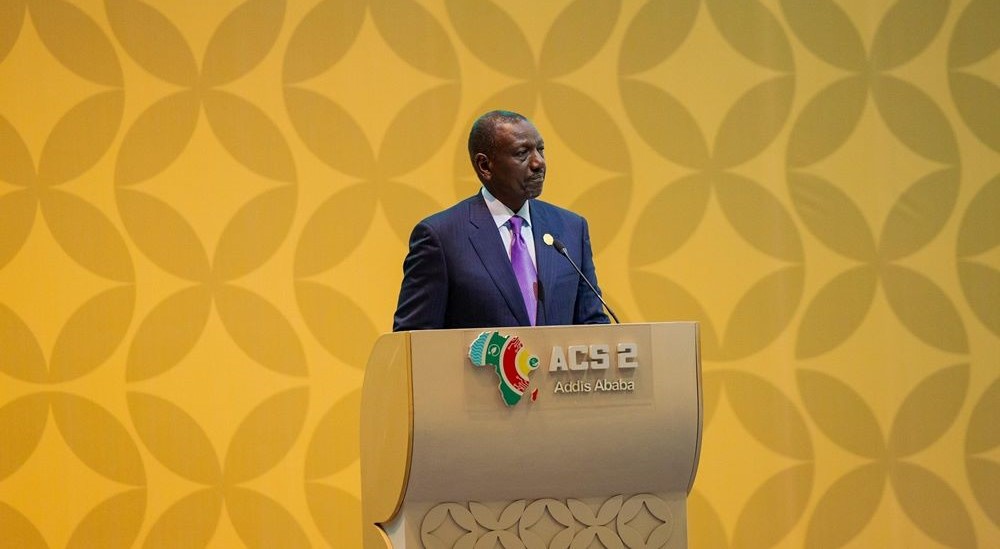
Leaders, including Ethiopia’s Prime Minister Abiy Ahmed and Kenya’s President William Ruto, underscored the need to frame Africa not as a victim, but as a central actor in shaping the global climate economy.
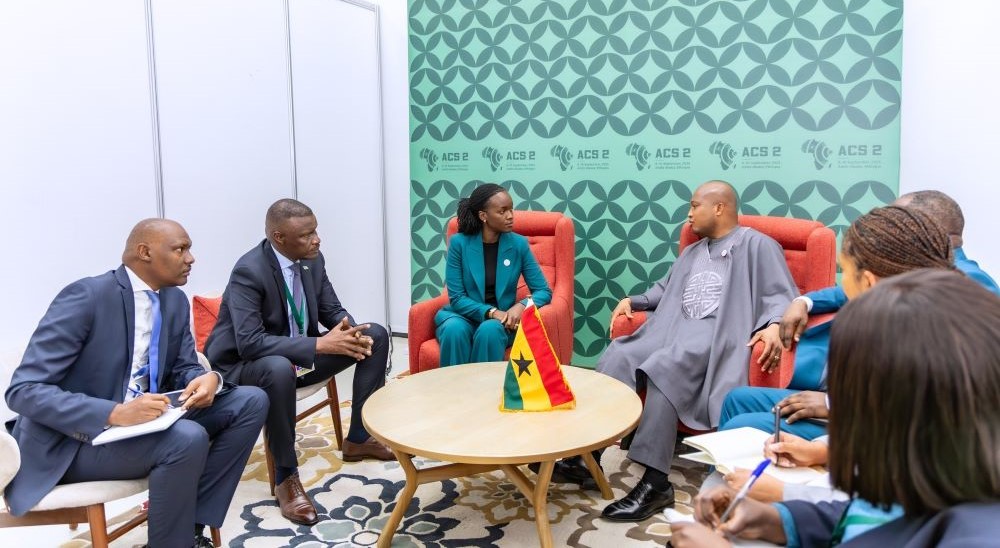
On the sidelines of the summit, the Minister held a bilateral meeting with Sam Okudzeto Ablakwa, Ghana’s Minister of Foreign Affairs. Their discussions focused on strengthening cooperation between and across various areas of mutual interest.
For Rwanda, frameworks like NDC 3.0, instruments such as the Green Fund, and partnerships like the LFT program, it’s a demonstration of how climate resilience can anchor development. Yet the call for equitable climate finance remains urgent and uncompromising.