The UCI world cycling championships may have thrilled spectators with speed and endurance, but for Rwanda’s environmental authorities the event also provided clear evidence of how technology can be leveraged to monitor and protect public health.
At the center of this effort was the Rwanda Environment Management Authority (REMA), which used advanced digital tools to measure dramatic improvements in air quality as Kigali’s streets temporarily emptied of cars.
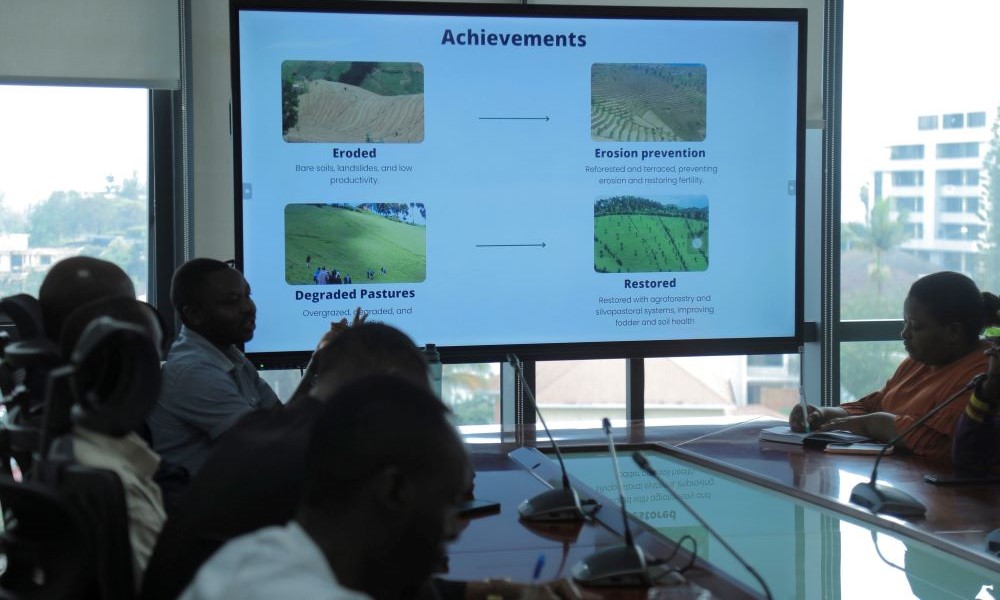
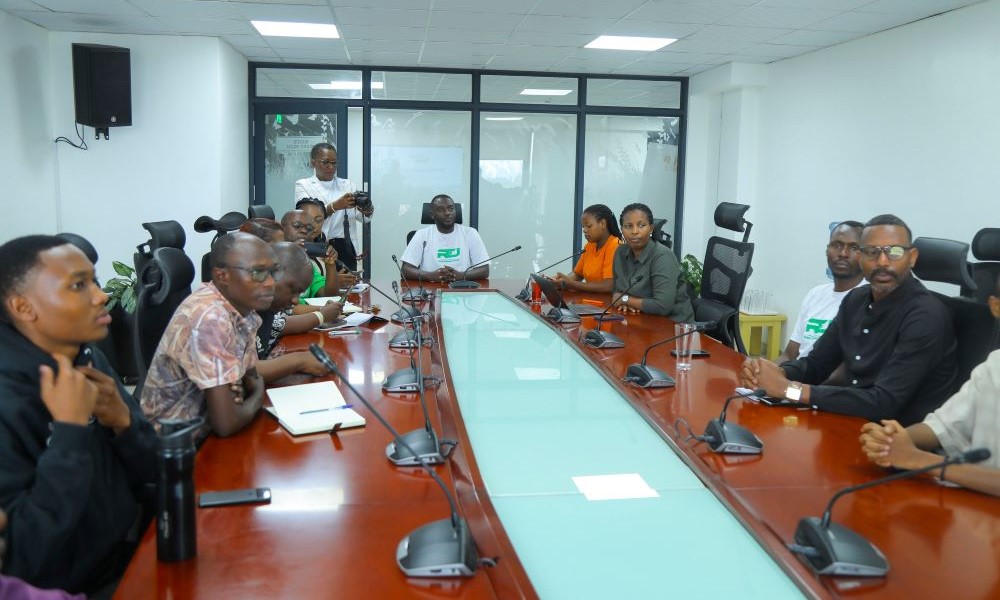
Juliet Kabera, the Director General of REMA, shed light on this approach during an interactive meeting with members of the Rwanda Environmental Journalists. Asked how REMA is harnessing data and modern technology to reach conclusions on air quality, she pointed to the use of real-time sensors and advanced data analysis.
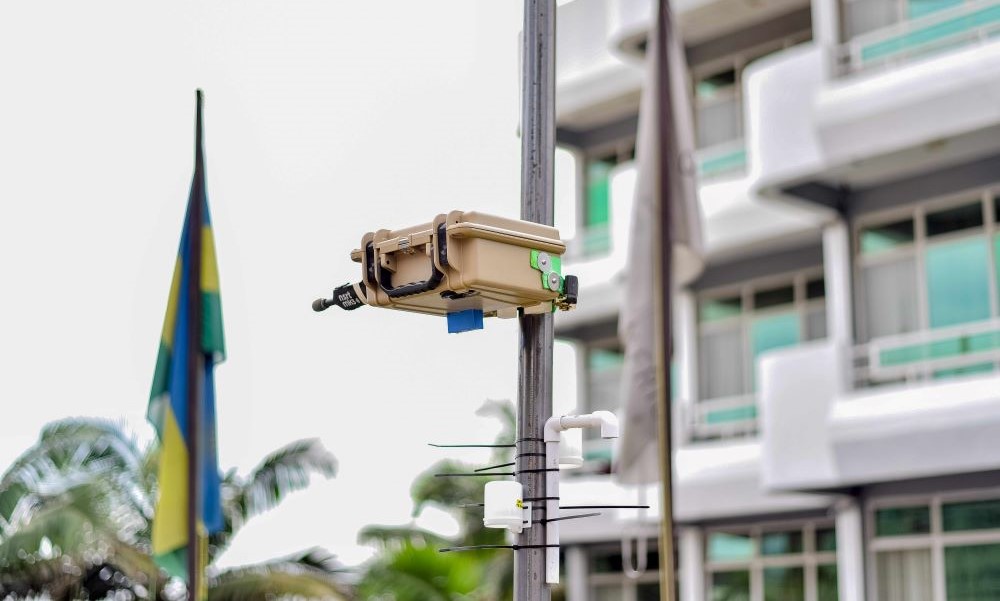
“We had about 10 remote sensors throughout the period of the UCI championship and we had to analyze the data from the sensors with modern tools. Otherwise, there is no way we could have collected and known that information using real-time data,” she said.
She explained that government is continuously using and acquiring these sophisticated digital technologies to monitor compliance with environmental regulations so as to inform policy decisions.
Rwanda is increasingly turning to innovations such as remote sensing, GIS, satellite imagery, and even artificial intelligence to strengthen environmental governance. Kabera however admits that while progress has been made, there is still a long way to go.
“Have we reached the level we wanted to reach? No, we haven’t. We are looking at a possibility of buying a drone by the end of this year, but that drone has to have the right software and the right sensors that are going to get us the feel of what is being inspected in real-time,” she said.
During the September 22–28 championships, Kigali closed major roads to accommodate nearly 1,000 cyclists competing from across the world. This unusual traffic pattern created what experts called a “natural experiment” for measuring the impact of reduced emissions.
REMA deployed over 10 monitoring stations across the city, including in Gacuriro, Rusororo, Mont Kigali, Gikondo, and Nyabugogo.
The results were striking. Levels of PM2.5 particles, fine pollutants most dangerous to human health, dropped by up to 45 percent on fully closed roads, and by 30 to 35 percent on alternative routes. Non-race areas, where traffic remained normal, showed little change.
“We have advanced to some limited extent, and this is our next big step. So far we have access to satellites with high resolution, and out of that is what we want to keep fetching the information. Day-to-day monitoring, inspections to the best extent possible, we are putting this as a priority,” she said.
The air quality improvements observed during the championships highlight how quickly health benefits can be achieved when traffic emissions are reduced. This is proof that better technology, combined with more sustainable choices by citizens, can yield cleaner cities.
“Cleaner air is within our reach if we make conscious decisions in our daily lives. The technology gives us the evidence, but it is up to all of us to act on it,” she emphasized.
Beyond Kigali’s temporary reprieve, Rwanda has already taken steps to improve air quality more broadly. Earlier in 2025, the Ministry of Environment introduced stricter vehicle emissions testing.
REMA currently manages 16 monitoring stations across 13 districts and plans to expand coverage nationwide by year’s end, adding more than two dozen new installations. Citizens are encouraged to follow real-time updates to enable them to make informed decisions about outdoor activity.
As Kabera told the journalists, the work has only just begun. “We are still exploring more and trying to advance step by step. And every stride we take with these technologies brings us closer to cleaner air and healthier communities.”