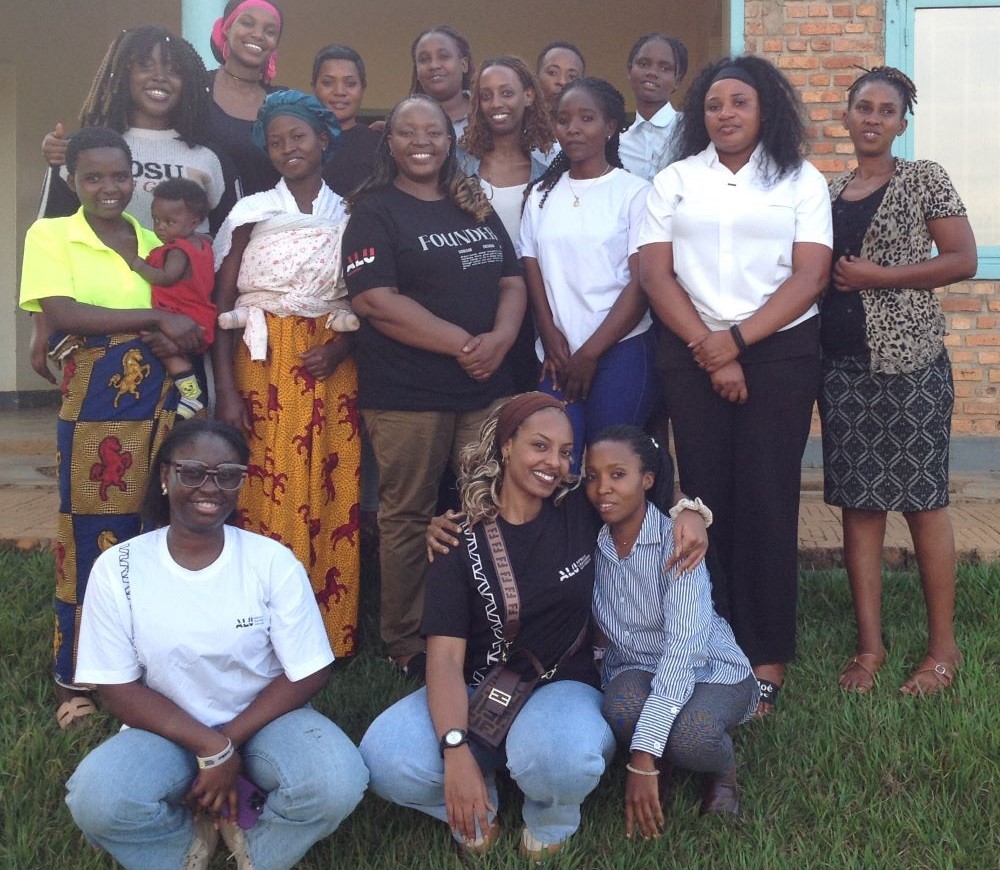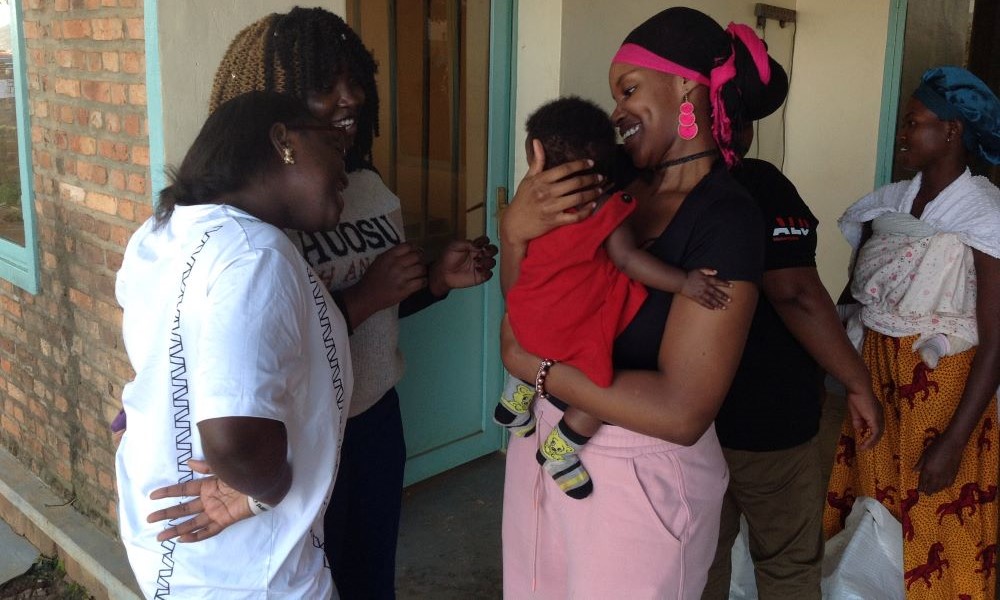
In the bustling outskirts of Kabuga, where the laughter of children mingles with the hum of daily life, a quiet movement of courage is taking root. Once defined by struggle and stigma, a growing group of young women are learning to rebuild their confidence and rewrite the stories that society once wrote for them.
They are former teen mothers, women who faced early motherhood under immense social pressure, now finding new meaning in community, learning, and sisterhood.
Their journey is one of rediscovery, not regret. From time immemorial, being a teen mother in society meant carrying invisible scars, of rejection, isolation, and unfulfilled dreams. But in Kabuga 1 Cell, Kabuga sector in Gasabo district, something is changing.
Young mothers who once believed their futures had ended are beginning to see that their experiences do not have to define them. They inspire others that hope is no longer abstract. It is visible in shared laughter, in renewed ambitions, and in the determination to transform pain into purpose.
At the centre of this quiet transformation is Elizabeth Ndinda, an education mission curator at the African Leadership University (ALU). Together with a team of female ALU students, she has embarked on a mission to restore dignity and opportunity to young women, all of them former teen mothers.
But Ndinda’s connection to them runs deeper than leadership. She once stood where they stand now. “I gave birth to my firstborn at 19, but I was supported to go back to school. That changed everything for me,” she recalls.
Having seen the difference between herself who got help and those who do not, Ndinda has vowed to try and create the same for them, help them to dream and live their dreams, because they can.
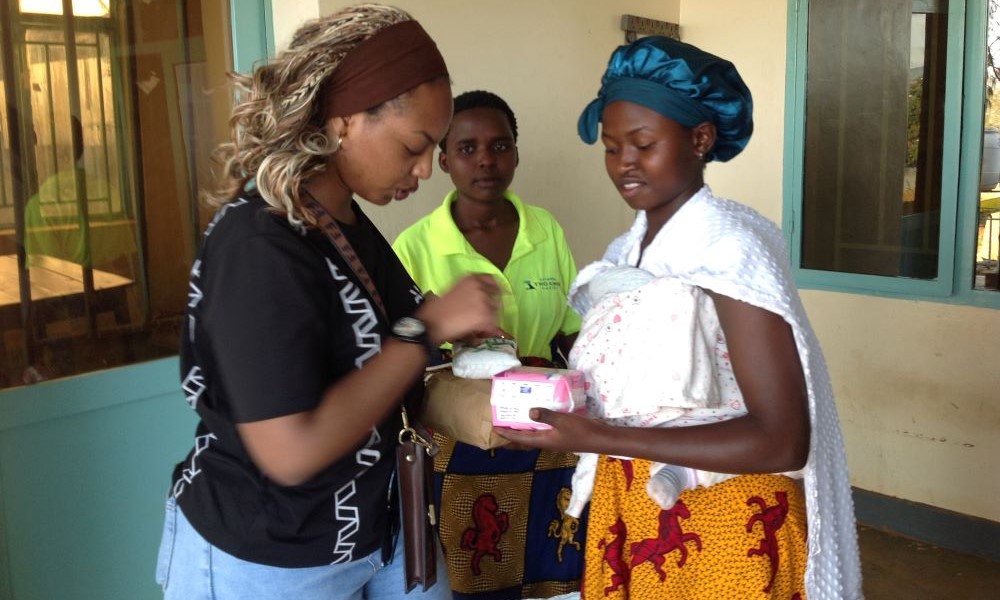
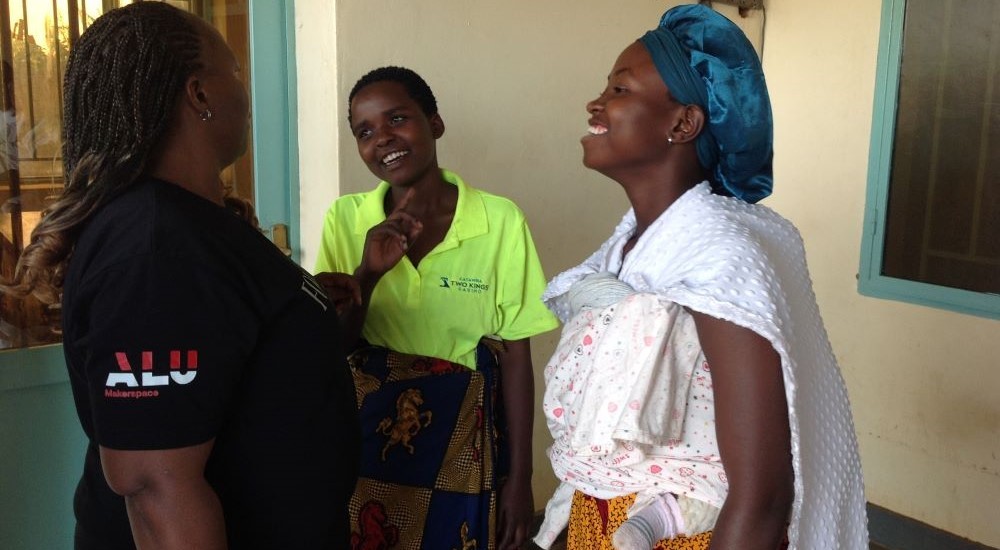
The initiative, launched to mark the International Day of the Girl Child, was a kind gesture in which Elizabeth and her students brought practical support, essential household items, mentorship sessions, and a clear plan for long-term empowerment.
“We want to make real change in these girls’ lives and show them that they too are leaders. We have a plan for them for the next three months, and for the next three years for those who want to go back to school and even go to university,” she said.
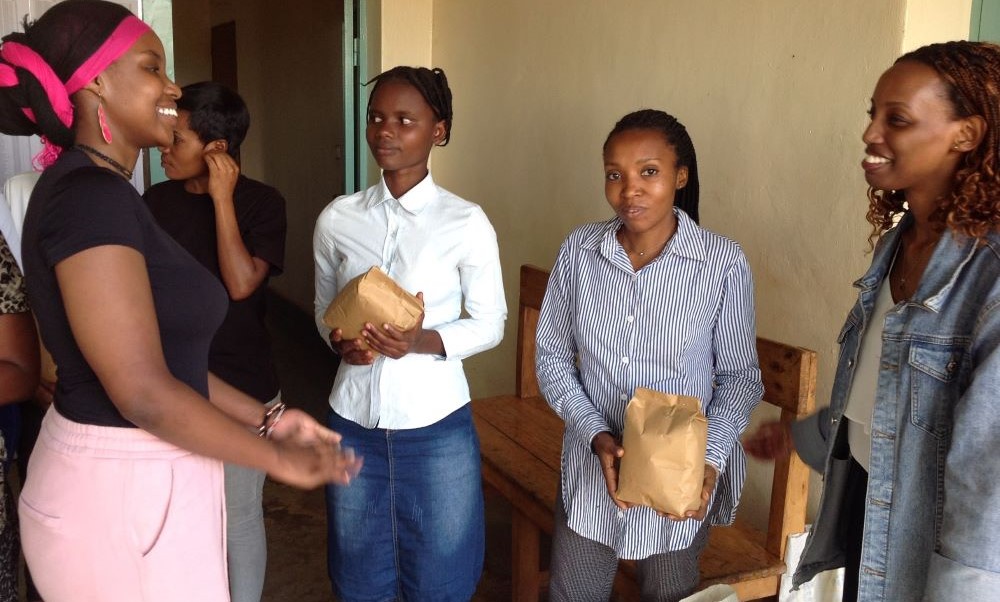
Hope rekindled in Kabuga
Among the beneficiaries is Claudine Niyigena, now 27, whose life bears the marks of both hardship and resilience. “Giving birth while still at home as a teen is very challenging. Upon knowing that you are pregnant, there are many negative thoughts. You drop out of school and life becomes hard,” she says with a faded tinge of bitterness in her voce.
She reminisces of the struggle to survive and the constant pressure that can push young girls toward harmful habits in search of income. Things she has now overlooked and left behind.
“I still dream. I want to own a wholesale shop for cereals and live a sustainable life. For me, this moral and physical support is validation that some people feel our pain and are willing to help,” she noted.
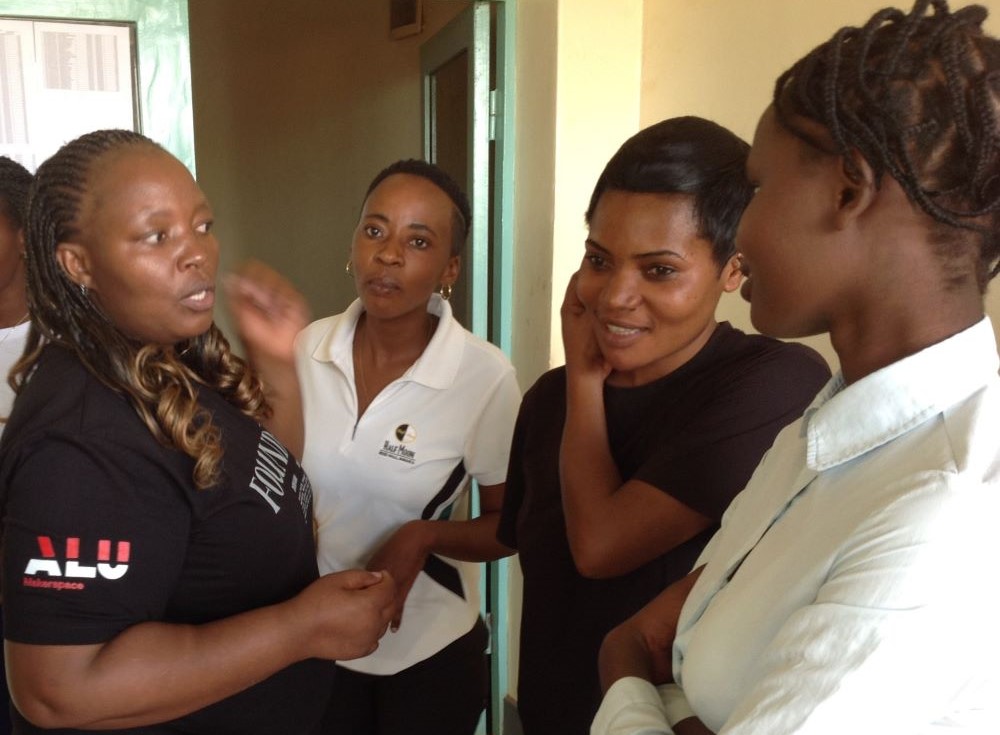
Leading change through shared experience
Such empathy especially when it stems from personal experiences reflects the core message of the International Day of the Girl Child, celebrated globally on October 11, a day dedicated to promoting girls’ rights and opportunities.
The 2025 theme, “The Girl I Am, The Change I Lead,” underscores that girls are not just recipients of help but powerful agents of change in their communities.
Ndinda and her students are building a model of mentorship where former teen mothers become advocates and role models for others. “We want a Rwanda where no girl becomes a mother before she is ready. That’s not just a social issue, it’s an economic one. When girls are empowered to complete their education, the entire nation benefits,” she says.

Inspiring the next generation
For Natasha Uwase Muneza, a first-year ALU student in Entrepreneurial Leadership, participating in the campaign has been transformative.
“I’m personally passionate about women’s empowerment and job creation. Meeting these young mothers has shown me how much potential lies in compassion and charity. Seeing them determined to rebuild their lives gives more hope for Rwanda’s future,” he pointed out.
Her reflections echo a wider truth, that when young women support one another, they create ripples of progress that extend far beyond individual lives, a view shared by Janvier Sabato, the Executive Secretary of Kabuga 1 Cell.
“We are grateful for this support but it’s also a reminder that these girls are leaders too. They must use this opportunity to change their lives and influence others positively,” he noted.
What began as a small act of compassion is now shaping into a blueprint for empowerment. Ndinda and her team plan to expand the initiative to other parts of the country, nurturing a network of women who support and inspire each other.
“I am a woman’s person. I was lifted by women who believed in me one even paid my school fees through university. Now, I want to lift others. It doesn’t take much to change a life. We can all try with what we have,” she said.
As it stands, the belief that no past mistake or early struggle can erase a woman’s potential has never been true. Former teen mothers are no longer victims of circumstance; they are the authors of their own transformation.