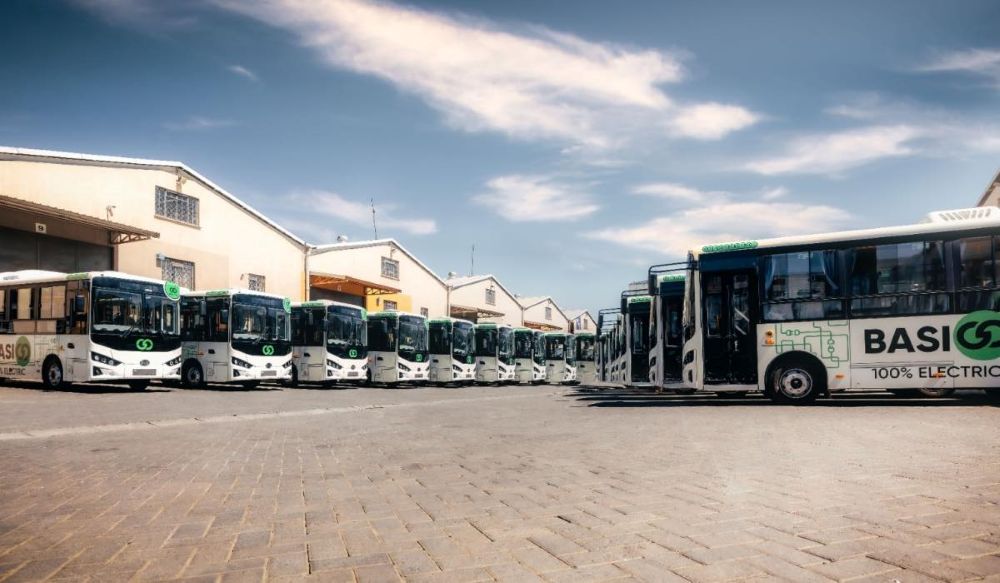
Kigali is preparing to usher in a new system of public transportation after a Cabinet meeting chaired by President Paul Kagame approved the rollout of a revamped transit model set to launch this December.
The reform represents one of the most significant overhauls of the city’s mobility framework, designed to deliver predictable, efficient, and environmentally responsible service to the capital’s growing population.
At the core of the new model is a commitment to consistency. Buses will now operate strictly on fixed timetables, departing on schedule regardless of passenger numbers, an approach intended to eliminate the long-standing unpredictability of city commuting.
In a 2024 presentation to the National Consultative Forum of Political Organizations, Minister of Infrastructure Dr. Jimmy Gasore emphasized the redesigned governance structure behind the reform, stating that “profit and loss will go to the public company,” a shift that places accountability and coordination at the centre of operations.
Technology will play an essential role in maintaining the system’s reliability. Real-time tracking tools will monitor bus movements across Kigali, ensuring balanced coverage on all routes.
Commuters will be able to check bus locations, estimated arrival times, and passenger volumes through mobile applications, making it easier to plan trips and avoid overcrowded stops.

The overhaul also reflects Rwanda’s broader ambition to promote green and smart mobility in line with NST2 and Vision 2050. By incorporating cleaner transport options and advanced management tools, the new model supports the country’s long-term environmental and urban development objectives.
This transformation builds on reforms already initiated by the Ministry of Infrastructure, including the establishment of a dedicated public bus management company that will supervise day-to-day operations. The company will manage an initial fleet of 200 government-owned buses, forming a central pillar of the upgraded transport network.
Insights that shaped the final model came from a one-month pilot conducted in May along the Kabuga–Nyabugogo route. The trial introduced non-stop buses dispatched every three to five minutes at key stops, significantly reducing congestion and long queues.
The data collected during this period proved essential in refining the framework now set for citywide implementation.
As Kigali prepares for the December rollout, the city stands on the brink of a more dependable and modern public transport system, one driven by technology, reinforced by structured management, and aligned with Rwanda’s push for sustainable urban growth.
