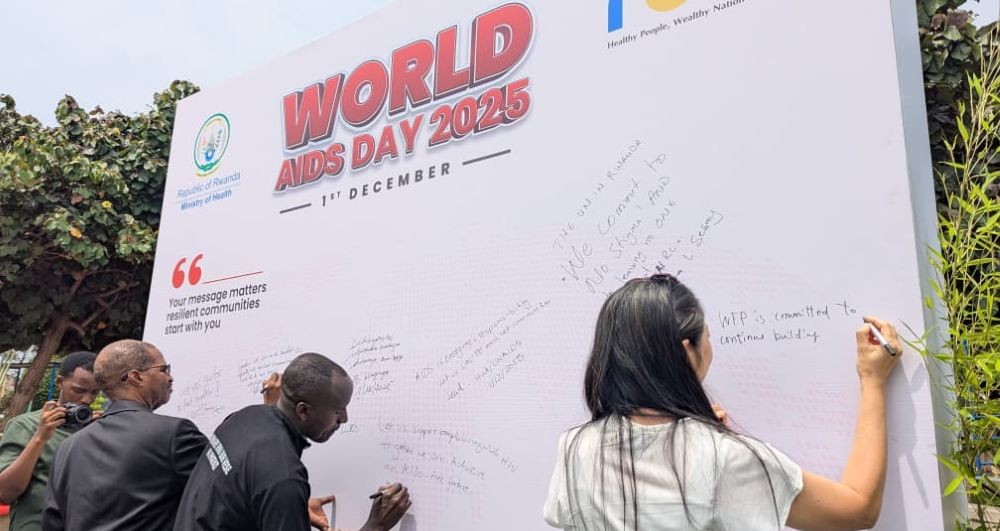
Rwanda marked World AIDS Day 2025 by launching a focused six-month campaign designed to close the remaining gaps that stand between the country and its goal of ending HIV as a public-health threat by 2030.
The commemoration reinforced Rwanda’s achieved extraordinary gains, but fresh dangers, notably rising infections among adolescents and young people, now demand sharper, more targeted responses.
Government leaders, health officials, international partners and people living with HIV used the day to celebrate progress and to underline a renewed, practical urgency.
National figures presented at the event underline why Rwanda is both confident and cautious. The country has exceeded the global triple 95 benchmarks, with 96 percent of people living with HIV aware of their status, 98 percent of those on sustained antiretroviral therapy, and 98 percent achieving viral suppression.
These numbers reflect sustained investment in health systems, broad treatment access and the mobilizing power of community networks. Yet officials acknowledged that statistical success does not erase pockets of vulnerability, particularly among youth who now account for a rising share of new infections.
Rwanda’s new six-month campaign aims to amplify outreach, strengthen youth-focused prevention, and accelerate adoption of innovations that simplify treatment and improve adherence.
Officials signaled that the effort will combine intensified community outreach, smarter use of partners and donors, and the introduction of long-acting treatment options that could significantly reduce the burden of daily medication.
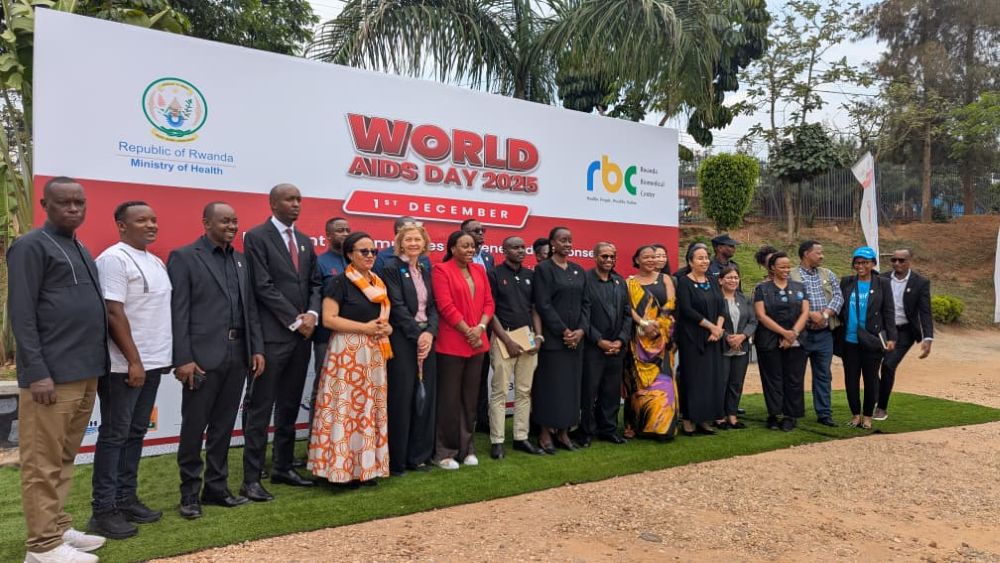
Dr. Gallican Nshogoza Rwibasira of the Rwanda Biomedical Centre framed the next phase plainly: “With over 95 percent treatment coverage and viral load suppression, we commit to addressing the remaining gaps, especially among youths and adolescents who remain vulnerable.”
That pledge was echoed by development partners who praised Rwanda’s achievements while urging protection of the gains. UNDP Resident Representative Fatmata Lovetta Sesay described Rwanda as “a testament to determination, innovation, and strong leadership.
By bringing HIV infections down by more than 70%, Rwanda is showing the world that ending HIV/AIDS is possible.” She added a practical note about resilience.
“We have had a difficult year of funding cuts, but Rwanda has proved resilience and sustainability to ensure services are not disrupted, and most importantly, that the government cares for its people,” she said.
Voices from communities most affected also set the tone for action. Sylvie Muneza, Chairperson of the Rwanda Network of People Living with HIV (RRP+), led stakeholders in remembrance and reaffirmed local resolve.
“We are committed to ensuring sustainability of the achievements made, and we will fight stigma so that we can build a better future.”
Alongside the behavioural and outreach components, Rwanda is preparing to scale medical innovation. Dr. Ikuzo Basil, head of HIV prevention at RBC, described progress with injectable therapies already piloted in parts of the system.
“We have traditionally used ARV pills, where a patient at high risk of transmitting HIV would take one tablet every day. However, over the past year, we introduced a new injectable drug where, instead of daily pills, a patient receives one injection every two months.”
He confirmed ongoing efforts to bring a longer-acting option to the country: “We are now in discussions with partners and donors in HIV prevention to bring another new long-acting drug into the country, an injection that a person can take once every six months.”
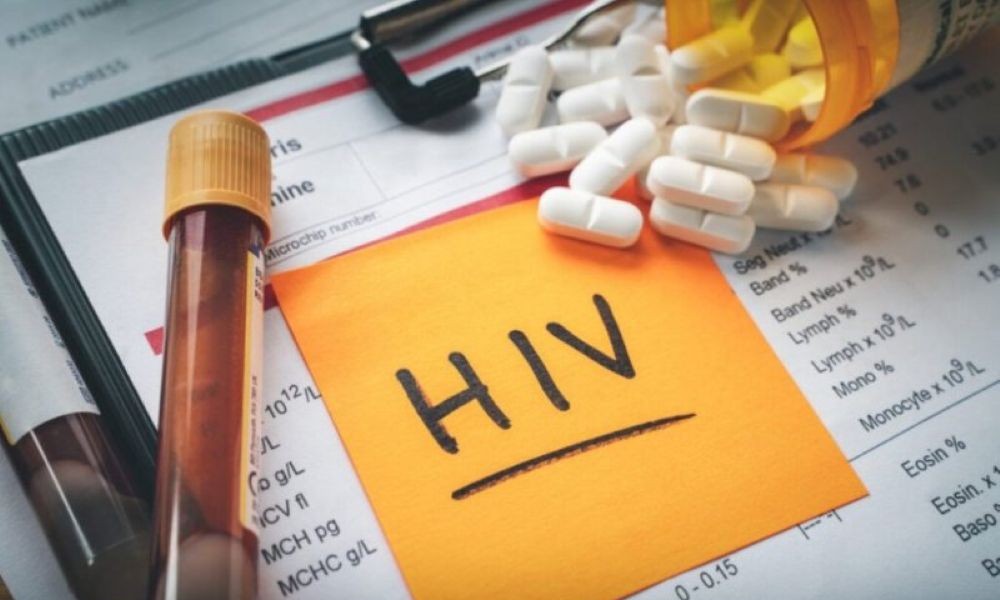
These treatment advances, officials say, could be decisive in improving adherence, reducing stigma associated with daily medication, and protecting viral suppression achievements across the population.
But they stressed that medical tools alone will not finish the job as the campaign must reach young people through relevant messaging, make prevention services accessible and sustain community-led support systems.
The combination of political will, community solidarity, and newer, simplified treatment options provides a credible path toward the 2030 target, provided the nation maintains the vigilance and investment that secured its early gains.
