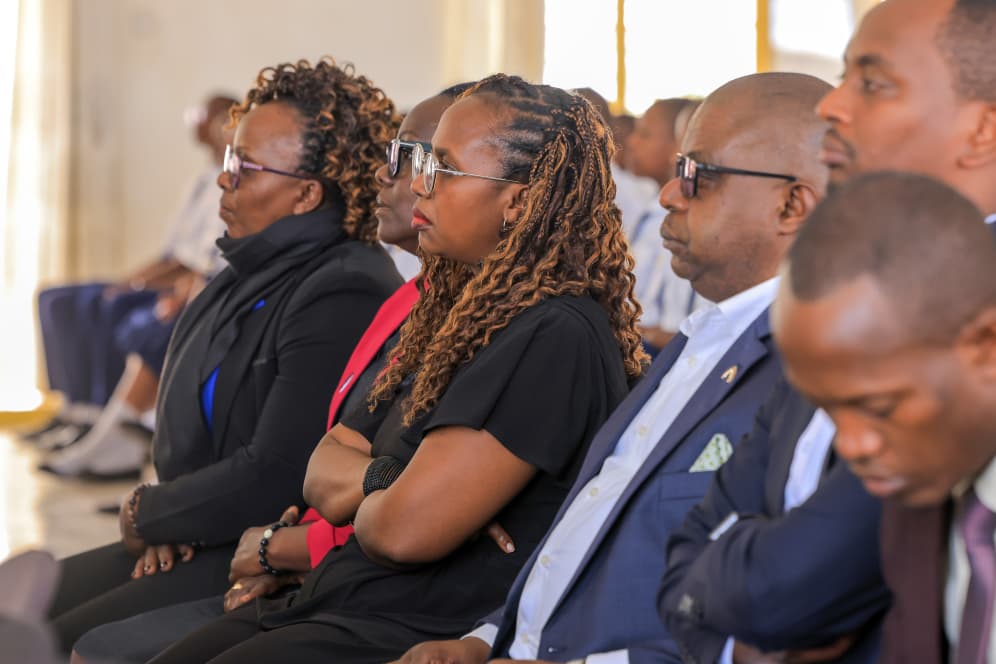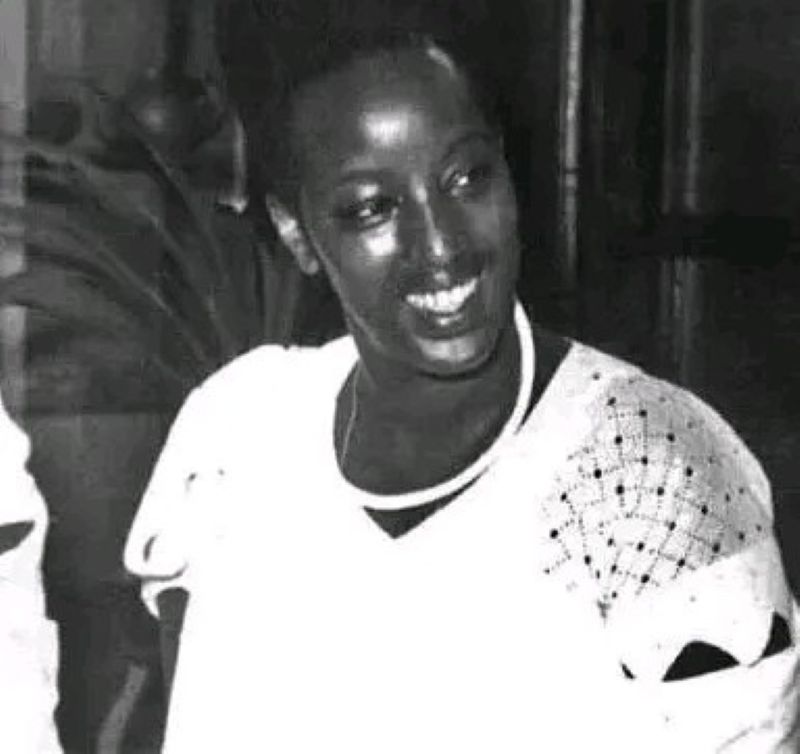
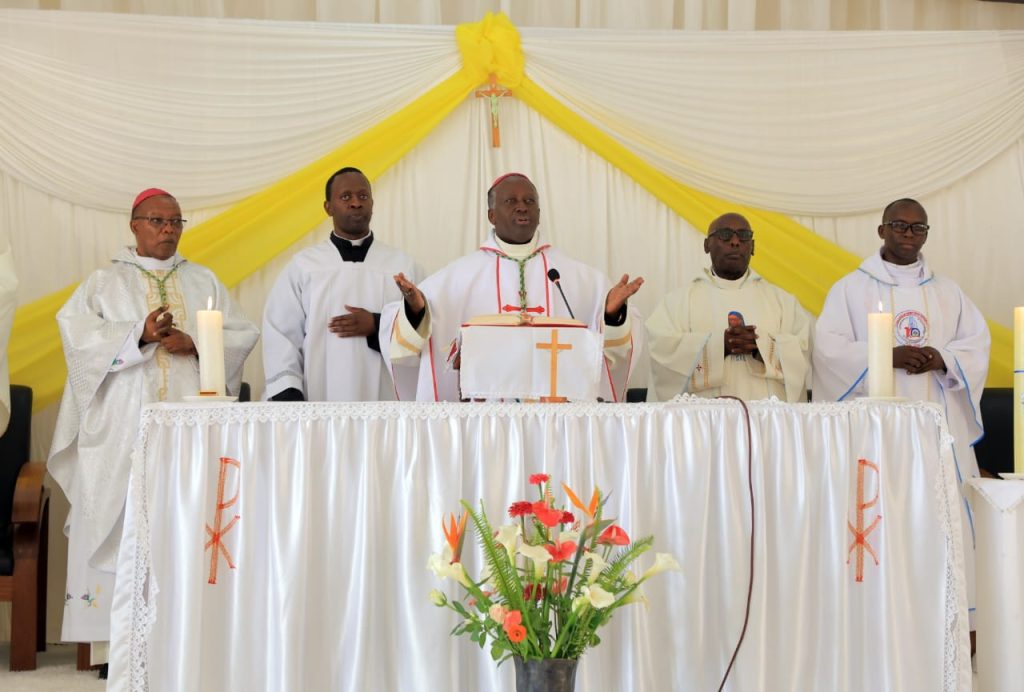
KIGALI – On April 20, 2026, remembrance commences in Butare at the Mater Dei School Complex, where a mass led by Bishop Jean Bosco Ntagungira and Bishop Philippe Rukamba honors Queen Rosalie Gicanda.
But her story is not carried by ceremony alone. It lives in the way she chose to exist long after her crown had disappeared.
Gicanda was Rwanda’s last queen, but what defined her was not only royalty but also restraint. After the monarchy was abolished in 1961, she did not leave Rwanda. She did not seek protection in exile or preserve herself in distance. Instead, she remained in Butare, living in a modest home.
She was accessible in a way power rarely allows. Children gathered at her home not out of obligation, but familiarity. She served them milk herself, without status, without separation. In a country where identity was increasingly being weaponized, her presence resisted that logic in the simplest way possible: she treated people as people.
She became a living contradiction to division, a figure rooted in Rwanda’s past, yet deeply present in its everyday life. And perhaps without intending to, she stood as a reminder of a Rwanda that hatred would soon try to erase.
The Return into a Known Danger
In early 1994, Queen Gicanda was in Belgium receiving medical care. By then, the warning signs were no longer subtle. There was documented evidence that the Genocide against the Tutsi was being prepared. International actors were aware. The danger was real, visible, and imminent.
Despite her condition and legal status, she was instructed to return to Rwanda. She accepted. Not because the risk was unclear, but because refusal was not who she was. She reportedly chose to go back without protest, unwilling to create difficulty for those around her.
Her return placed her directly into the final phase of a carefully organized plan. From April 18, 1994, the genocidal government accelerated its campaign into southern Rwanda. Butare, which had shown resistance to the killings, was deliberately targeted.
On April 19, the prefect who had tried to prevent violence, Jean Baptiste Habyarimana, was removed. He was replaced by Sylvain Nsabimana, an extremist tasked with ensuring that the Genocide against the Tutsi would take full effect.
Political leaders, military officers, and local administrators coordinated the killings with precision. Orders were given. Roadblocks were erected. Communities were identified and destroyed. This was not chaos, it was execution. Within that structure, Queen Gicanda was no exception.
A Death That Meant More Than One Life
On April 20, 1994, soldiers acting under orders from Captain Ildephonse Nizeyimana arrived at her home in Butare. She was taken along with others and driven to a site behind the National Museum.
There, in her final moments, she remained composed. Witnesses recall that she made a single request, to be shot rather than killed with a machete. It was a small sentence, but it carried the full weight of who she was: controlled, dignified, unwavering. She was killed that day at the age of 66.
Her death came at the start of one of the most violent periods of the genocide. Between April 20 and April 23, mass killings intensified across the country. On April 21 alone, more than 250,000 Tutsi were murdered in places including Butare, Murambi, and surrounding regions.
The scale and speed of the violence reflected a system that had been carefully built and deliberately activated.
In that system, the killing of Queen Gicanda was not incidental. It was symbolic. She represented continuity, memory, and a cultural identity that the genocide sought to destroy. Her life had quietly preserved a connection to Rwanda’s past; her death marked an attempt to sever it.
And yet, that attempt failed.
Today, she is remembered not because she was spared by history, but because she refused to separate herself from it. She stayed when leaving was safer. She returned when remaining abroad was possible.
And in her final moment, she faced death the same way she had lived, with dignity that could not be stripped away. That is why her story endures.