KIGALI – Climate change does not affect everyone equally but too often, its solutions are designed as if it does. Across Africa, women with disabilities remain among the most exposed to climate risks, yet they are frequently excluded from shaping the responses meant to protect them.
That reality is gradually beginning to change. From households to policy spaces, women with disabilities are stepping forward as key actors in climate change mitigation, bringing insights that are grounded in lived experience and practical necessity.
Though slightly low, their growing influence is not just about representation; it is about effectiveness. Climate action that fails to include them risks leaving entire communities behind.
Redefining climate leadership through inclusion
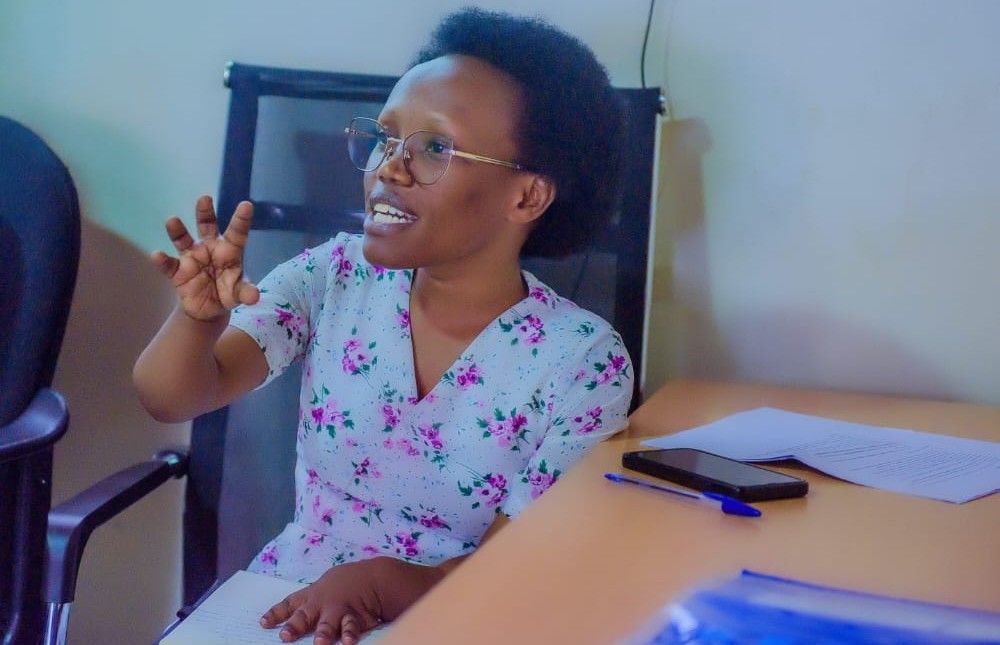
Annette Bukombe, a disability inclusion expert, explains that one of the most urgent gaps in climate mitigation lies in access to information. Early warning systems, which are essential in preventing climate-related disasters, often fail to reach those with hearing, visual, or cognitive impairments.
“How do people respond to risks they do not even know exist? A woman who cannot hear or access information is excluded before action even begins. This gap has far-reaching consequences,” she notes.
Bukombe argues that without accessible communication, preparedness becomes impossible, and vulnerability increases. And that inclusion must go beyond policy statements and become part of system design.
“How information is shared, how communities respond, and who makes decisions. And when women with disabilities are at the decision-making table, solutions become naturally inclusive. You cannot design for people you do not understand,” she explains.
This shift toward inclusive leadership is being reinforced by platforms such as the African Alliance for Women with Disabilities in Climate Action, which advocates for stronger participation of women with disabilities in climate governance across Africa.
Community-level action
The most tangible contributions of women with disabilities to climate mitigation are unfolding at the community level. Here, climate change is immediate, and responses must be practical.
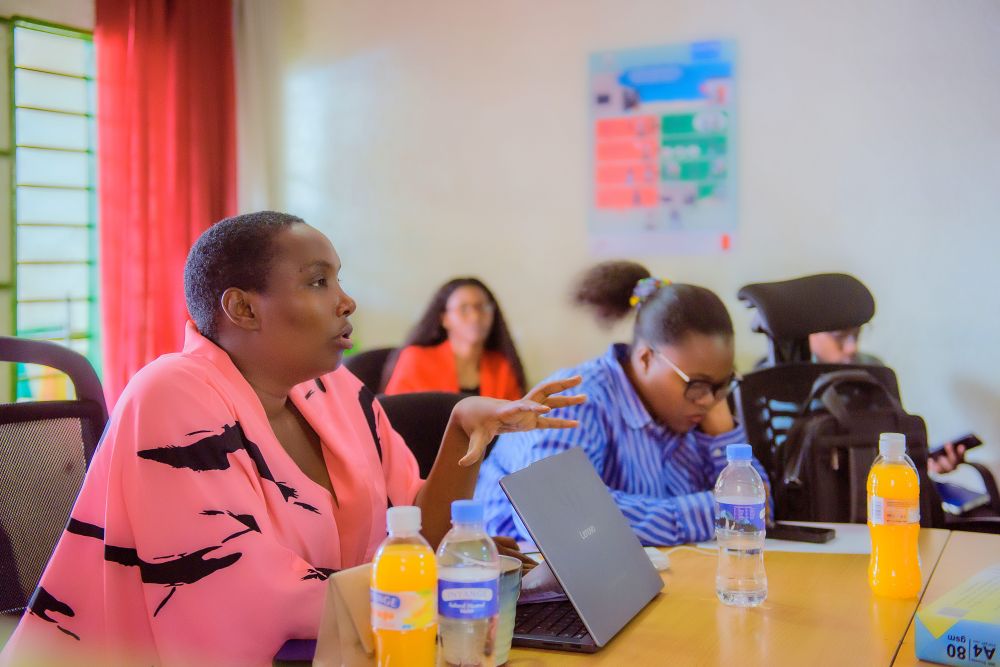
At the HEZA Initiative, women with disabilities are helping shape how communities prepare for and respond to environmental risks. According to Valentine Kampire, a Programs Coordinator Associate at the initiative, a role such as theirs, is central to building resilience.
“Through community programs, women are trained in emergency preparedness, learning how to respond to hazards such as floods and landslides. They also play a critical role in ensuring that information reaches those who might otherwise be excluded,” she says.
Their leadership extends to environmental conservation. In schools, eco-clubs led by girls, including those with disabilities, are promoting tree planting and environmental stewardship. These efforts contribute to greener communities while supporting food security through fruit production.
Economic empowerment as climate action
Climate mitigation is not only about environmental strategies; it is also about strengthening livelihoods. For many women with disabilities, economic vulnerability increases their exposure to climate risks. Addressing this challenge has become a key part of their contribution to climate action.
Through support groups and community savings schemes, women are building financial resilience while engaging in sustainable activities such as poultry farming and small-scale agriculture. These initiatives provide income while promoting environmentally responsible practices.
“There is a direct link between economic empowerment and climate action. When women are supported, they make decisions that benefit both their families and the environment,” Kampire notes.
Beyond income, these efforts also foster social stability. As women gain financial independence, they are better positioned to contribute to household and community resilience, creating a ripple effect that strengthens climate mitigation efforts at the grassroots level.
Breaking barriers, building an inclusive future
Despite their growing impact, women with disabilities continue to face significant barriers. Limited access to leadership roles, unclear policy implementation, and persistent social stigma often restrict their full participation.
Honorine Tuyishimire, the Executive Director of Rwanda Union of Little People (RULP) emphasizes the need for more intentional inclusion. “We must move beyond participation to decision-making power,” she says, noting that policies are not always effectively implemented.
Even so, the momentum is clear. Women with disabilities are no longer waiting to be included, they are actively shaping climate solutions. From improving access to information to leading community initiatives and building sustainable livelihoods, their contributions are visible everywhere.
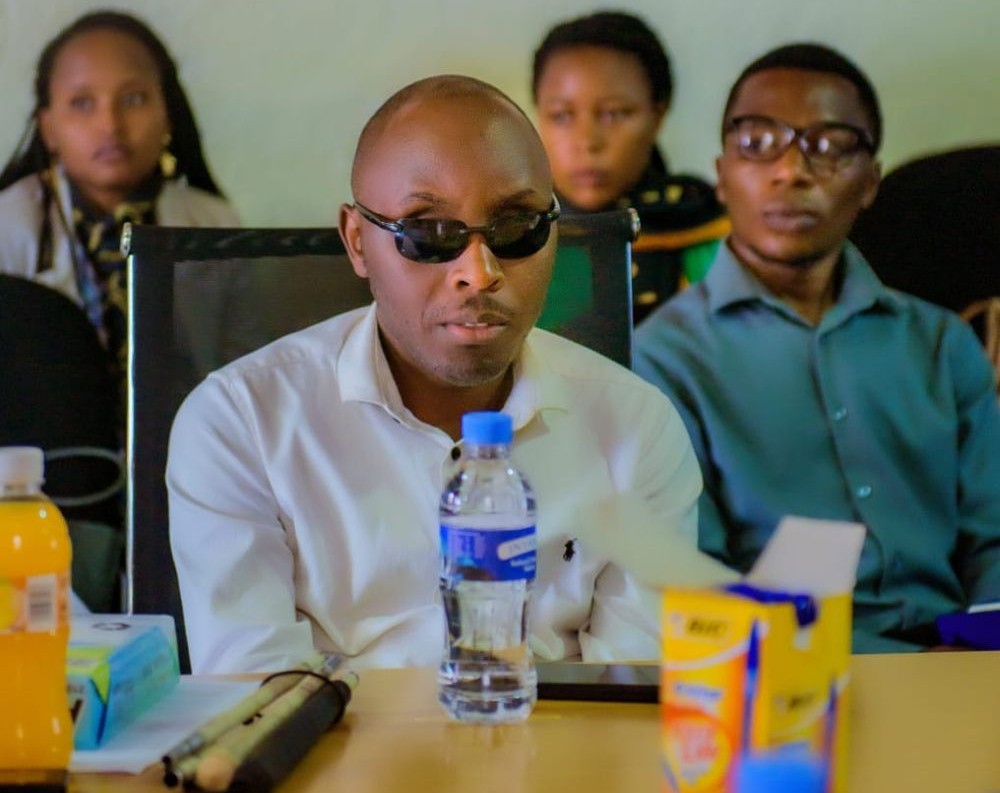
Similarly, Jean Claude Ngabonziza, the Managing Director Inclusive Life Change, an initiative dedicated to the empowerment of children and youth with disabilities, points out that while legal frameworks exist, the real challenge lies in turning them into practice.
“What matters now is implementation. Inclusion must be practiced, not just promised,” he says, noting that solutions that include everyone are stronger, more responsive, and more sustainable.
As climate challenges intensify, every leadership face a critical challenge and by driving climate action from the margins, women with disabilities are helping redefine what meaningful and lasting mitigation truly looks like.