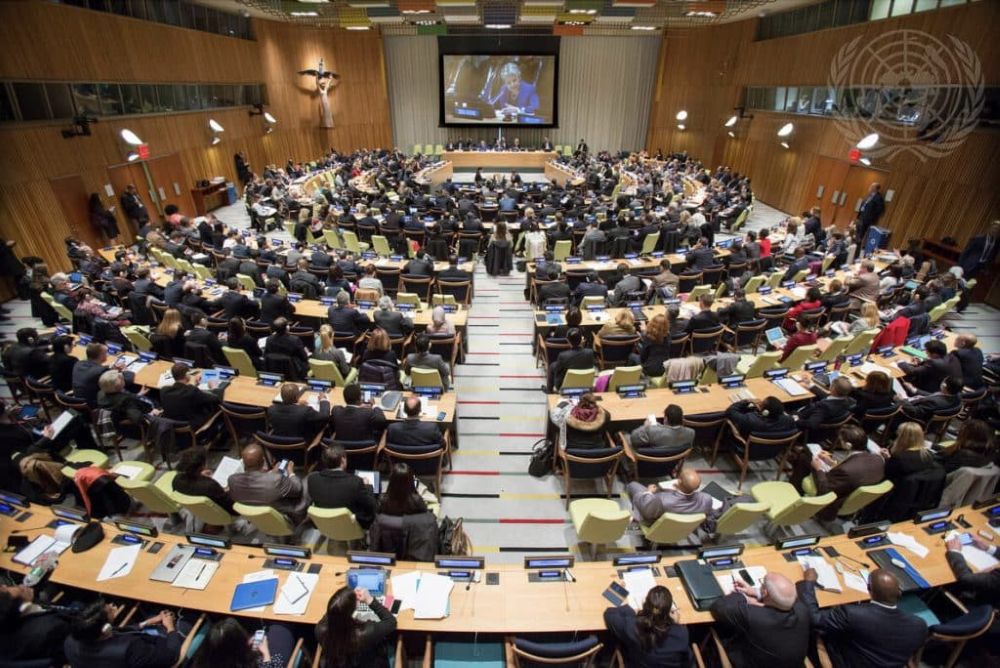
The job of the United Nations Secretary-General has always been important. But today, it feels more like a heavy burden. As the UN looks for its next leader, the world is watching to see if the institution can still stand up for the values it was built on.
From the growing fights between powerful nations to the climate crisis and the spread of lies online, the challenges are huge. They are not new problems, but they are more visible than ever.
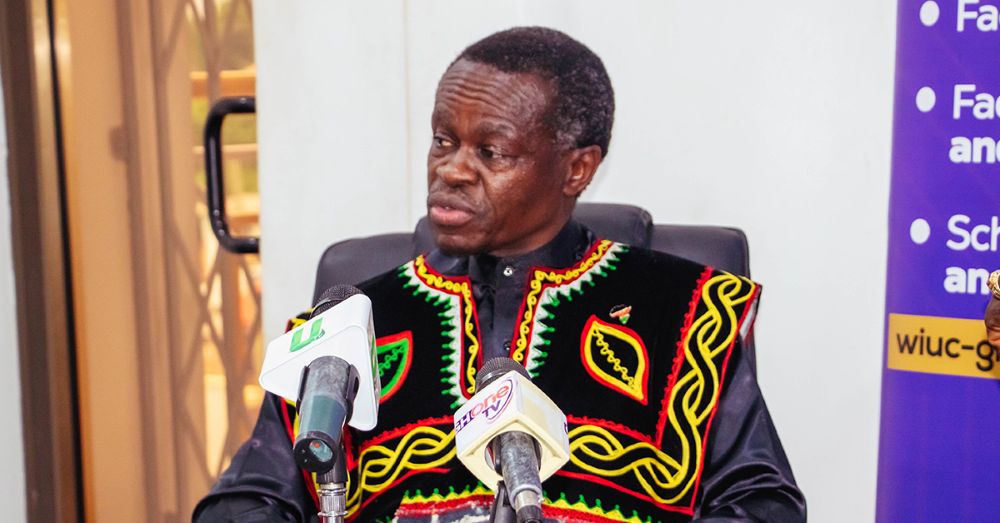
As the famous scholar Prof. PLO Lumumba said recently while remembering the 1994 Genocide against the Tutsi in Rwanda, the real test is not how complex the world is. The real test is whether we have learned anything at all.
A World That is Falling Apart
The world has changed a lot. Wars are harder to stop, and countries are finding it more difficult to work together. Many people have stopped trusting the groups that were supposed to bring us unity.
Lumumba was very honest about this. He said that many people are asking if international law is “dead or dying.” This is because many feel that global rules are only used when they help powerful countries, but ignored when they don’t.
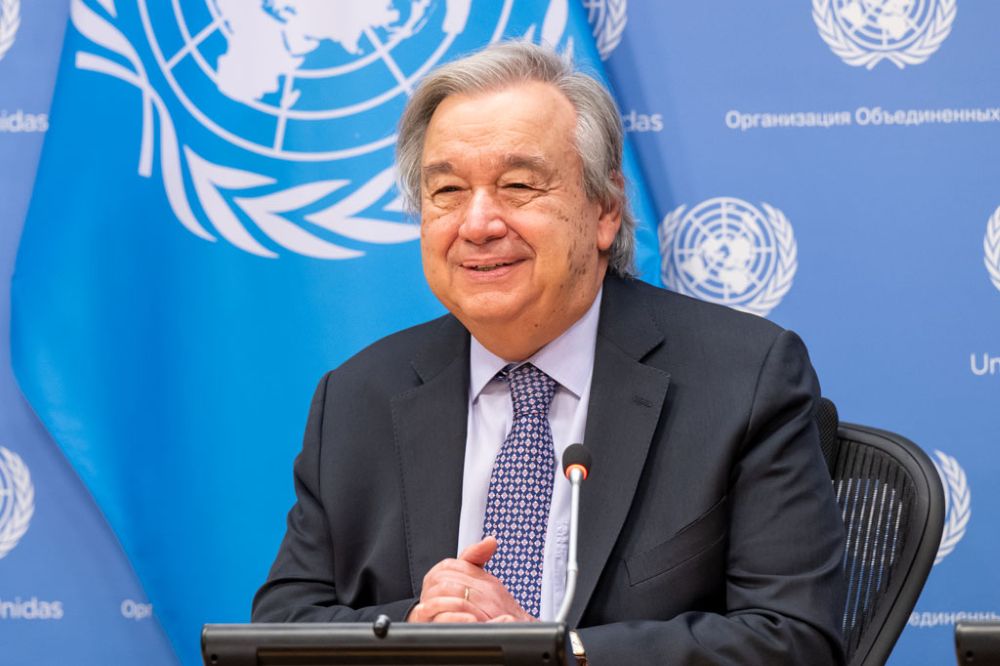
For the next Secretary-General, this is a very difficult balancing act. The UN leader doesn’t have an army to enforce rules. They only have the power to persuade. But persuasion doesn’t work if people think the rules are unfair. To fix this, the next leader must be brave enough to call out double standards. As Lumumba warned, staying neutral in the face of wrong is like “endorsing evil.”
Rwanda: A Lesson for Our Hearts
If there is one event that shows where the world failed, it is the 1994 Genocide against the Tutsi. The signs were all there—the hate speech and the militias—but the world hesitated.
One of the clearest warnings came from people like Léon Mugesera. Long before the killings began, he gave an infamous speech in 1992 where he called Tutsis “cockroaches” and “scum.” He openly told his followers to send Tutsis “back to Ethiopia” by killing them and throwing their bodies into the rivers. This was not just a speech; it was a clear plan for murder.
Even though these words were public, the international community did not take them seriously enough to stop the tragedy that followed.
“For 100 days the world watched… the world was eloquent in its silence,” Lumumba said. The UN was there, but it didn’t act. Paperwork and politics caused a paralysis that led to one of the darkest times in history.
For the next leader, Rwanda is more than just a memory. It is a yardstick. Can the UN act quickly when we see the same signs today? We have better tools to stop violence now, but we still don’t know if the world has the courage to use them.
The Speed of Hate
One of Lumumba’s most important points was about technology. In 1994, hate was spread through the radio. Today, Lumumba warns that it would happen much faster—”in the twinkling of an eye.”
With social media and AI, lies and hate can spread across the globe in seconds. We are seeing this happen right now in the eastern Democratic Republic of the Congo (DRC). Online platforms are being used to spread dangerous narratives that target specific groups, labeling them as “enemies” or “invaders.”
This digital hate is not just noise; it leads to real-world violence. It creates a climate where neighbors turn against each other and makes it easier for armed groups to justify their attacks. When a lie is shared a thousand times on a smartphone, it can trigger an atrocity before a diplomat even has time to schedule a meeting.
This means the next Secretary-General cannot just be a diplomat in a suit. They must understand the digital world and how it can start fires that are impossible to put out. Without a plan to tackle this “digital frontline,” the UN will always be too late to stop the next tragedy.
Reform or Become Useless
The UN was created in 1945. More than 80 years later, many say it is out of date. The Security Council is often stuck because a few powerful countries can block any decision.
The next leader will be under a lot of pressure to change things. While big changes are hard, small steps are necessary. We need more transparency and better cooperation with local leaders. Lumumba reminds us that the international community should not just give “orders” without understanding the local culture. Reform must include voices from regions like Africa that have been ignored for too long.
Lessons from Africa
Rwanda’s story since 1994 is one of hope. After the genocide, the country looked inward for solutions. They used traditional “Gacaca” courts to find justice and bring people back together.
Lumumba calls this “African wisdom.” It reminds us that peace cannot be forced from the outside. It must be built by the people who live there. The next UN leader must remember that in 1994, UN troops left victims behind when they needed them most. To avoid this, the UN must support local leaders instead of trying to take over.
A Leadership Defined by Courage
In the end, the challenge for the next Secretary-General is a moral one. It is about the courage to speak the truth, even when it is uncomfortable. It is about knowing that being “neutral” is sometimes just a way of giving up.
Lumumba’s warning is clear: “If we are not careful, the only thing we learn from history is that we learn nothing.” The failures of the past must be our guide so we don’t repeat them.
As the UN picks its next leader, the choice will tell us if the organization is ready for the future. The question is not if the problems are too big. The question is if the leader will be strong enough to ensure that “working together” is a real action, not just a broken promise.