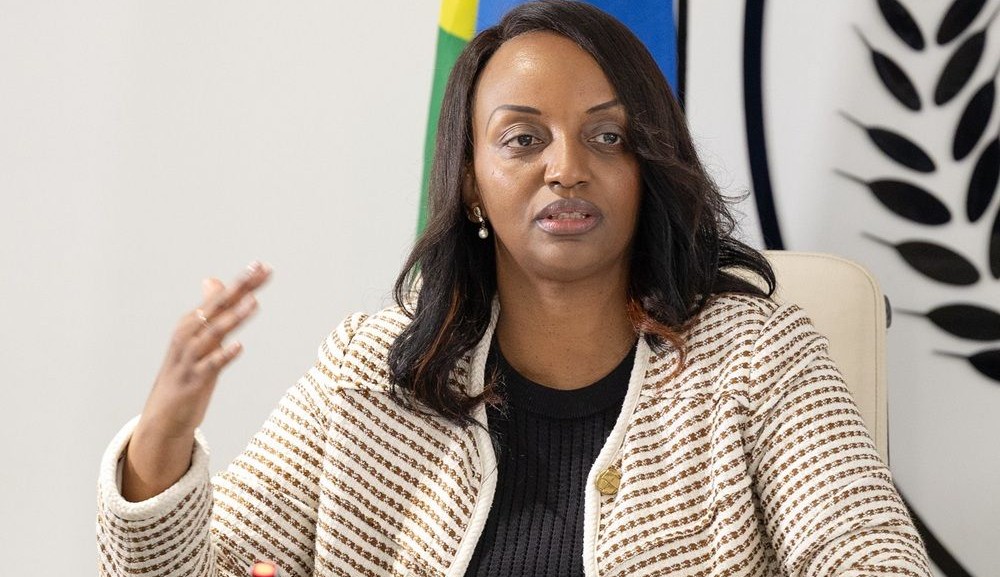
Kigali, Rwanda – The National Bank of Rwanda has raised its benchmark interest rate by 50 basis points to 7.25 percent, as a firmer response to mounting inflationary pressures even as the economy continues to post robust growth.
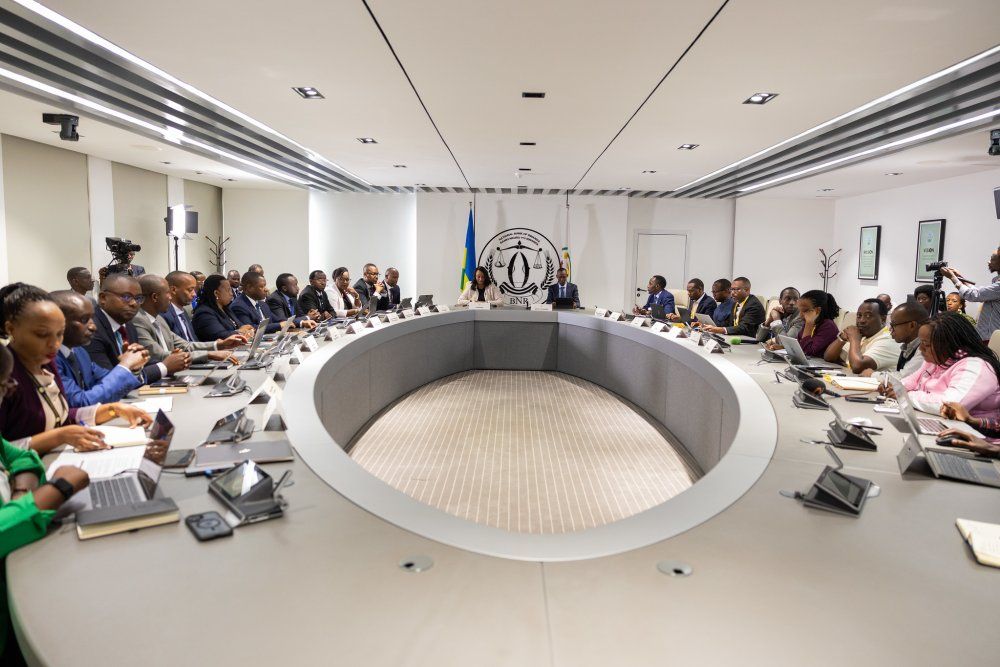
The decision was announced by Governor Soraya Hakuziyaremye following the latest meetings of the Monetary Policy Committee (MPC) and the Financial Stability Committee (FSC). The policy rate had stood at 6.75 percent for the past three months.
Inflation edges above target
Headline inflation accelerated to 7.4 percent in the fourth quarter of 2025, up from 5.2 percent in the same period of 2024. It climbed further to 8.9 percent in January 2026, breaching the central bank’s target range of 2 to 8 percent.
The surge was largely driven by rising core and energy prices. Core inflation reached 9 percent, while energy inflation jumped to 12.4 percent, reflecting higher electricity tariffs and fuel price adjustments.
“In view of more persistent inflationary pressures and an upward revision of the inflation outlook, the committee decided to increase the central bank rate,” the Governor said during a press briefing.
She described the move as a measured intervention designed to anchor inflation expectations and safeguard purchasing power. “Price stability is a necessary condition to sustain economic growth and protect the purchasing power of Rwandans over the medium term,” she emphasized.
The central bank projects that inflation will remain slightly above the upper band during the first half of 2026 before gradually easing toward the end of the year. Prevalent risks include possible shortfalls in agricultural output, sustained energy costs, and geopolitical tensions that could disrupt global supply chains.
Growth remains resilient
The rate hike comes against a backdrop of strong domestic economic performance. Rwanda’s economy expanded by an average of 8.7 percent in the first three quarters of 2025, outperforming the 7.2 percent recorded in 2024.
Growth was supported by wholesale and retail trade, transport, ICT, financial services, manufacturing, construction, and mining. The central bank’s composite index of economic activity rose by 17 percent in the fourth quarter, suggesting that full-year growth likely exceeded that of the previous year.
Externally, exports grew by 14 percent in 2025, buoyed by a 69 percent surge in traditional exports such as coffee and minerals. Non-traditional exports and re-exports also posted double-digit gains. Although imports increased, the trade deficit widened only modestly.
The Rwandan franc remained relatively stable. While it depreciated by 4.4 percent against the US dollar in December 2025, this was a marked improvement compared to the 9.42 percent decline recorded a year earlier. Increased foreign exchange inflows from tourism and remittances helped ease pressure on the currency market.
Globally, economic growth reached 3.3 percent in 2025 and is expected to maintain the same pace in 2026 despite trade and geopolitical uncertainties.
Financial sector stays sound
Alongside the monetary policy decision, the Financial Stability Committee concluded that Rwanda’s financial sector remains sound and resilient.
Total financial sector assets expanded by 24 percent in 2025 to reach RWF 15.9 trillion. Banking sector assets grew by 22.7 percent, while microfinance institutions recorded a 22.9 percent increase. The pension sector posted particularly strong growth of 35.3 percent.
Credit to the private sector rose by 25 percent across banks and microfinance institutions, although lending remains concentrated in trade, construction, personal loans, and manufacturing. Agriculture continues to receive a relatively smaller share.
Non-performing loans declined to 2.5 percent, while capital adequacy and liquidity ratios remained comfortably above regulatory thresholds.
Digital payments also expanded significantly, with retail transactions reaching RWF 77 trillion in 2025. Notably, reported digital payment fraud cases declined by 60 percent, reflecting coordinated efforts between the central bank, security agencies, and service providers.
Despite progress, the Governor acknowledged that refund mechanisms in mobile money transactions remain complex, as safeguards are necessary to prevent abuse.
As Rwanda balances rapid growth with price stability, the latest rate increase underscores the central bank’s resolve: protect macroeconomic stability today to sustain prosperity tomorrow.
