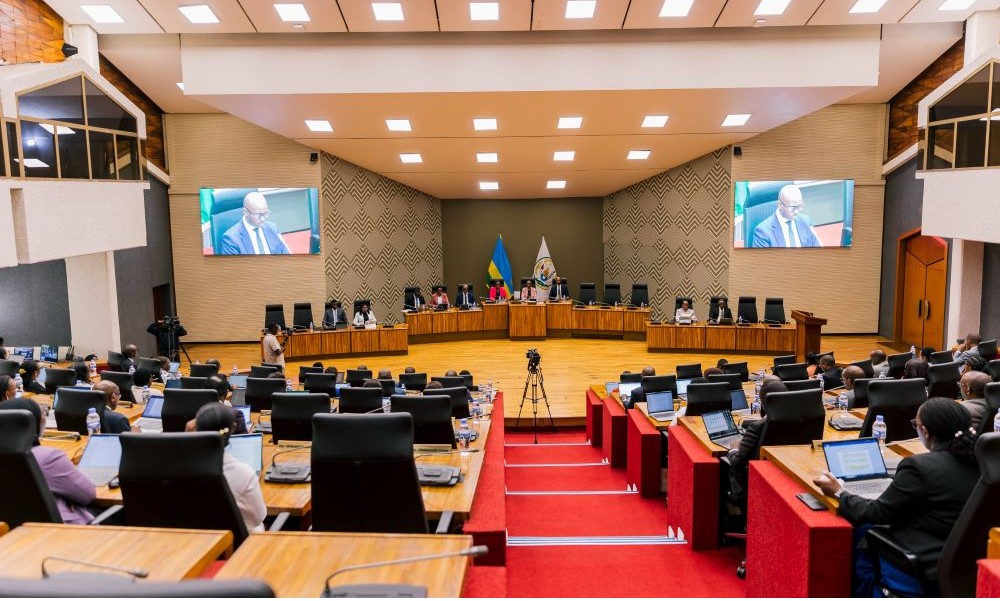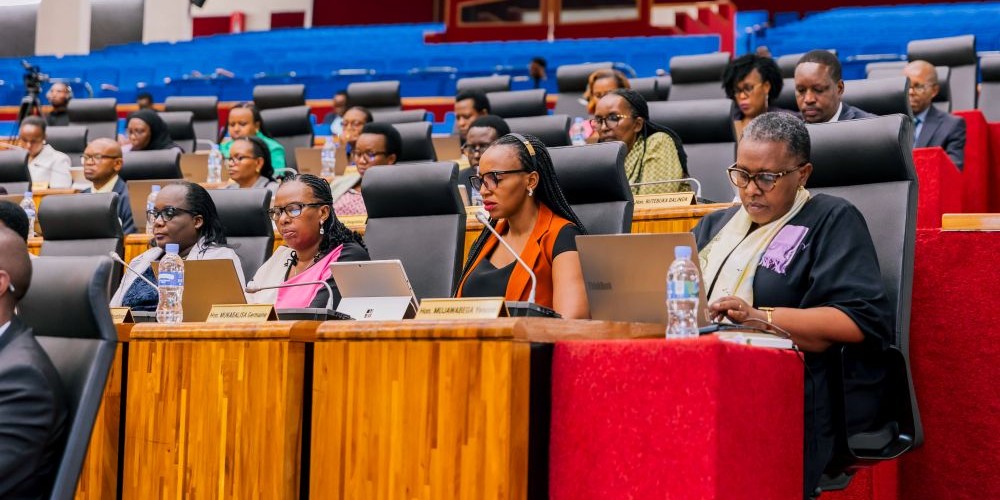
Kigali, Rwanda – The government has revised its national budget for the 2025/2026 fiscal year, trimming routine government expenditure while significantly increasing funding for development projects in a move that signals tighter fiscal discipline and a sharper focus on long-term growth.
The updated budget now stands at Rwf6,952.1 billion, down from the Rwf7,032.5 billion approved in June 2025. The Rwf80.4 billion reduction reflects what officials describe as prudent financial management and improved financing terms for major national projects.
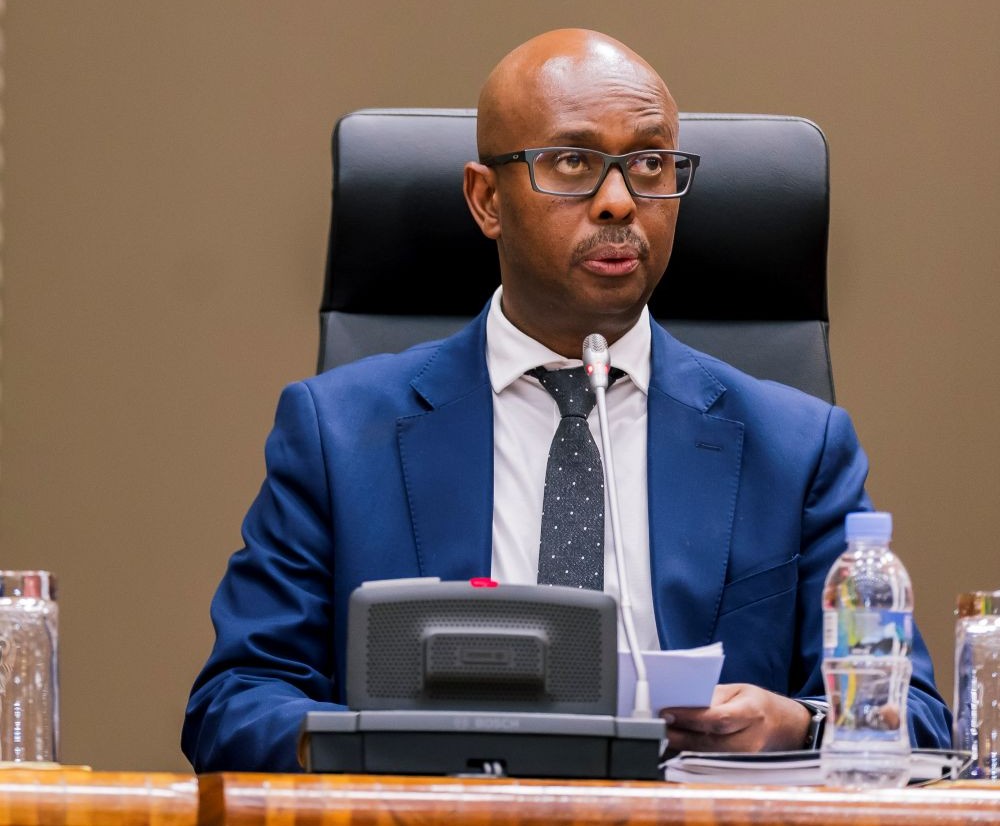
Presenting the revised figures before Parliament on February 12, Minister of Finance and Economic Planning Yusuf Murangwa said the adjustments were made after securing more affordable concessional and domestic financing, particularly for the New Kigali International Airport in Bugesera District.
“This revision reflects prudent fiscal management. By securing better terms for major investments and managing cash flows wisely, we strengthen our fiscal position while protecting core spending,” Murangwa said.
A key factor behind the downward revision is a Rwf168.2 billion reduction in the allocation for Phase II of the new international airport. Murangwa explained that when the original budget was prepared, the government had factored in a worst-case borrowing scenario.
“When we were preparing the original budget, we included a worst-case scenario. We considered the possibility of borrowing from commercial banks, where interest rates would be high. At that stage, we had around $400 million earmarked for the airport.”
“The bank agreed to cover 95 per cent of the required funding, providing concessional loans with lower interest rates and access to the full amount when needed. Originally, we were scheduled to receive the funds in June or July next year, but now the timing is flexible.”
Murangwa emphasized that the adjustment will not slow construction works. “That’s why the allocation for the airport came down in the budget, while funding for other priority areas was increased,” he said.
The revision also includes the rescheduling of a RwandAir loan repayment to the next fiscal year, alongside broader efforts to manage public debt servicing and subsidies more efficiently.
As a result, the country’s need for budgetary loans has dropped significantly, easing pressure on public finances. One of the most notable shifts is the reduction in recurrent expenditure.
The recurrent budget, which covers salaries, goods and services, and operational subsidies, has been cut by Rwf198 billion, falling from Rwf4,312.9 billion to Rwf4,114.9 billion. The adjustment reflects changes in debt servicing obligations, spending on goods and services, and revenues from public enterprises.
At the same time, capital and development spending has risen sharply. The development budget increased by Rwf253.2 billion to reach Rwf2,115.8 billion, reinforcing the government’s commitment to infrastructure and strategic national priorities.
External financing is projected to rise by Rwf250.5 billion, largely driven by grants and concessional loans aimed at supporting development projects.
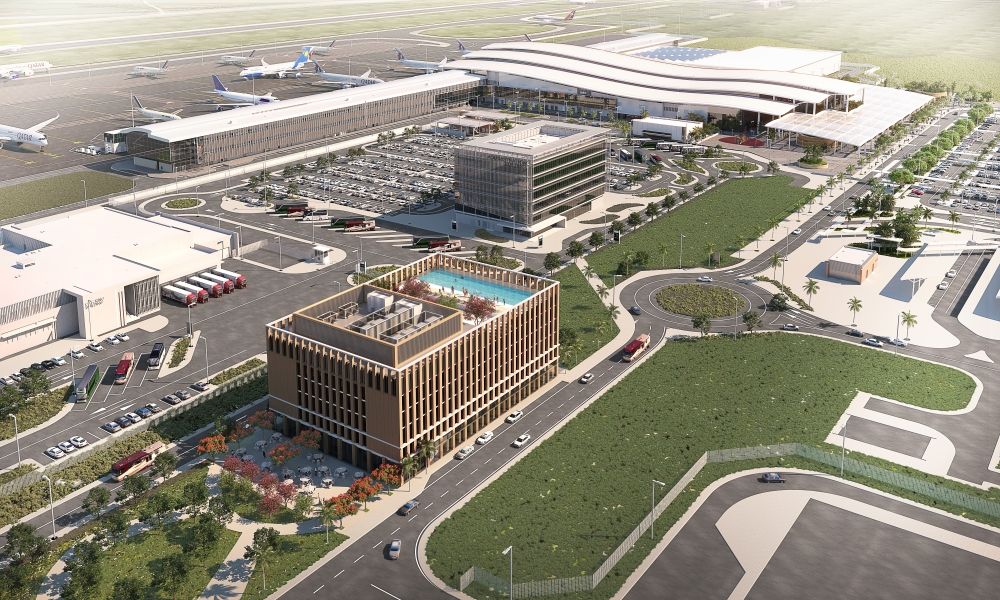
On the revenue front, projected tax and domestic income collections have been revised upward by Rwf41 billion, indicating confidence in continued economic performance and sustained activity across key sectors.
Murangwa described the revision as a strategic realignment rather than a retreat from fiscal ambition. He said the changes are designed to improve budget execution and align spending with realistic financing flows while maintaining macroeconomic stability.
After deliberations, all Members of Parliament voted in favour of the revised framework, giving the government full backing to implement the adjusted Rwf6.95 trillion budget.
The recalibration underscores Rwanda’s approach to balancing fiscal discipline with development priorities, tightening day-to-day expenditure while channeling more resources into projects expected to drive productivity, growth and long-term economic transformation.