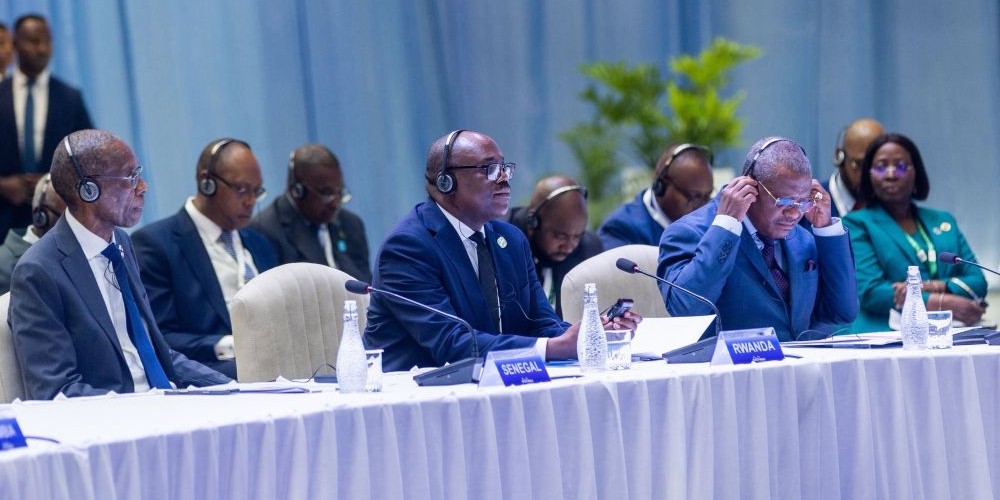
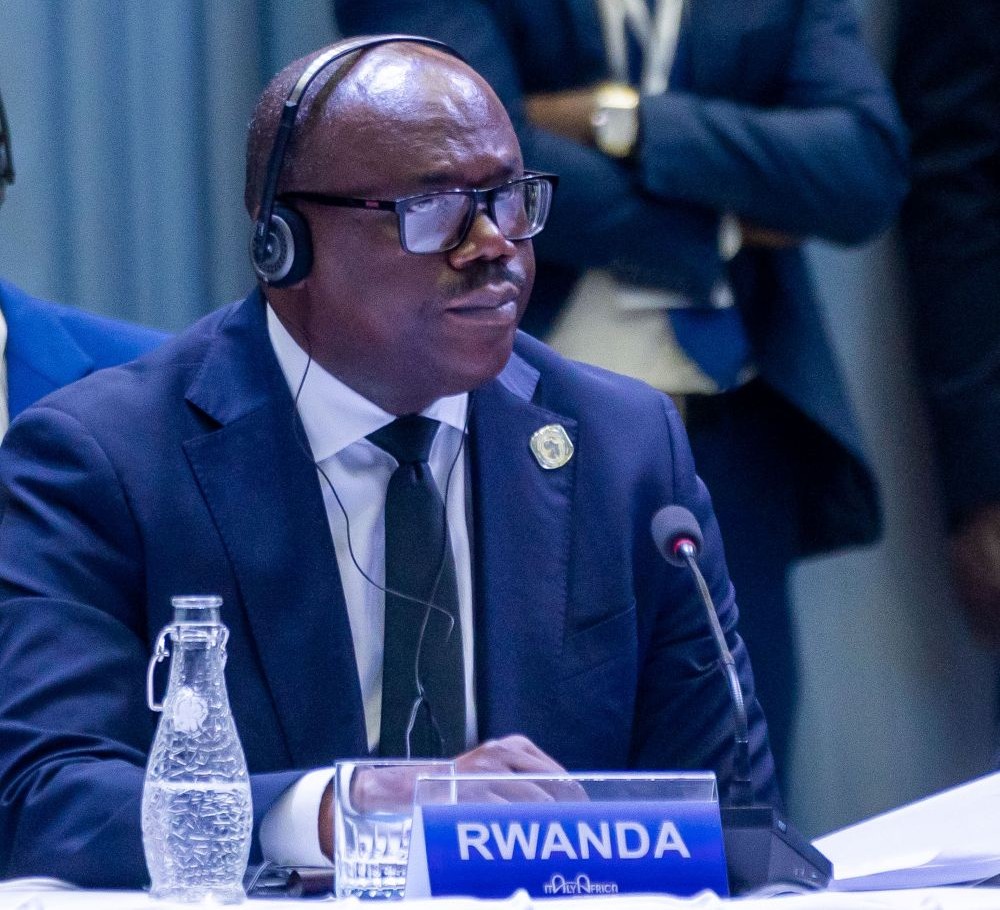
Addis Ababa, Ethiopia – Prime Minister Dr. Justin Nsengiyumva is in Addis Ababa, Ethiopia, representing President Paul Kagame at the 39th Ordinary Session of the Assembly of Heads of State and Government of the African Union.
The summit, scheduled for 14–15 February 2026, convenes under the theme: “Assuring Sustainable Water Availability and Safe Sanitation Systems to Achieve the Goals of Agenda 2063.”
The agenda reaffirms growing recognition that water security and sanitation are not only social priorities but also economic imperatives tied to Africa’s long-term transformation blueprint, Agenda 2063.
Upon arrival at Bole International Airport, Prime Minister Nsengiyumva was received by Ethiopia’s Minister of Peace, Mohamed Edris, alongside State Minister for Foreign Affairs, Ambassador Berhanu Tsegaye.
His presence comes as African leaders gather in Addis Ababa amid calls for stronger unity, institutional reform and accelerated investment in critical infrastructure.
Water and sanitation systems have increasingly been framed as engines of productivity and industrial growth. Across the continent, leaders are pushing for reliable water infrastructure to support agriculture, manufacturing and urban development.
For Rwanda, which continues to prioritize economic diversification, value addition and regional trade integration, the linkage between water access and sustainable growth remains particularly relevant.
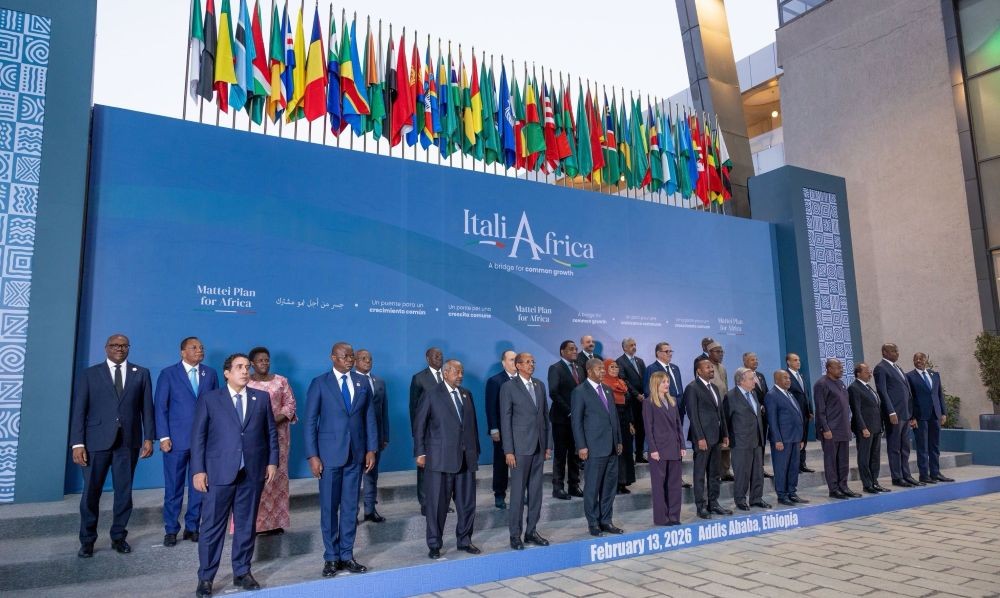
On the margins of the African Union Summit, the Prime Minister also attended the second Italy–Africa Summit on 13 February 2026. The meeting assessed progress under the Mattei Plan, Italy’s framework aimed at strengthening structured political and economic partnerships with African countries.
On 15 February 2026, Prime Minister Nsengiyumva will participate in the African Union High-Level Ad Hoc Committee on South Sudan, reinforcing Rwanda’s engagement in continental peace efforts and mediation processes.
The 39th AU Assembly unfolds at a time of shifting geopolitical dynamics and renewed debate over Africa’s financial autonomy and institutional reform.
Rwanda’s representation signals continued commitment to Agenda 2063, regional stability and partnerships designed to strengthen Africa’s collective resilience in a rapidly changing global landscape.