Kigali, Rwanda – As Rwanda assesses the performance of its agriculture sector following the 2025 farming year, new evidence points to a sector in transition, marked by uneven crop outcomes, fresh policy reforms and renewed focus on livestock productivity.
Findings from the Seasonal Agricultural Survey (SAS) 2025 annual report, together with proposed agriculture and livestock laws and efforts to curb animal feed shortages, offer a detailed picture of how production trends and reforms are shaping the country’s food system.
Agriculture remains a pillar of Rwanda’s economy, employing a large share of the population while sustaining rural incomes and national food security. The SAS 2025 report, based on nationwide farm-level data, shows contrasting results compared to 2024.
Irish potato and vegetable production increased, reflecting gains in targeted crop systems, while maize production declined, exposing vulnerabilities in staple food production amid climate stress.
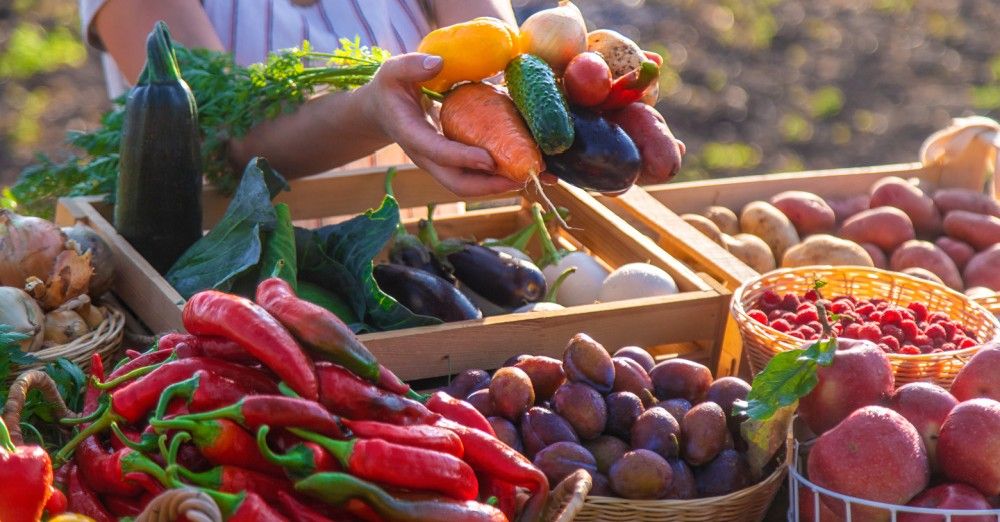
Irish potato production recorded a notable rise during the year, driven by favorable growing conditions in highland zones and improved access to certified seed.

Vegetable output also increased, supported by strong demand from urban markets and institutional buyers, as well as greater farmer engagement in intensive horticulture.
These crops, which offer quicker returns and stronger market linkages, continue to attract smallholders operating on limited land, reinforcing a gradual shift toward diversified and market-oriented farming.
In contrast, maize production fell compared to the previous year, a development linked to irregular rainfall patterns, pest pressure and inconsistent application of inputs.
As maize remains a strategic staple for household consumption and national reserves, the decline raised concerns about the resilience of cereal production systems.
The SAS findings echo warnings from agricultural experts that without stronger climate-smart interventions and reliable access to inputs, staple crops will remain exposed to weather shocks.
The report also highlights evolving patterns in input use and land management. Fertilizers continued to play a central role in boosting yields in 2025, though adoption levels varied by crop and region.

Farmers growing Irish potatoes and vegetables were more likely to apply fertilizers consistently, reflecting stronger extension support and the higher responsiveness of these crops to nutrient inputs.
The SAS 2025 report further notes steady progress in the adoption of anti-erosion measures such as terraces, contour bunds and agroforestry, particularly in hilly areas vulnerable to soil degradation.
Farmers who combined soil conservation with proper input use generally achieved more stable yields, even under less favorable weather conditions. Meanwhile, Government is moving to strengthen the regulatory framework governing agriculture and livestock.
Addressing Senators on January 19, 2026, the Minister of Agriculture and Animal Resources, Dr. Ndabamenye Telesphore, announced that Rwanda is preparing two separate laws to govern agriculture and livestock in order to improve organization, quality standards and enforcement.
“We have made significant progress, yet we did not previously have a specific agriculture law. We have been preparing a livestock law that will define how livestock farming is conducted, the rules that govern it,” he said.

Ndabamenye explained that the law convers supporting services such as animal feed, vaccines, and other inputs, including how they should operate to reach citizens, all under clear regulations and legal frameworks.
He added that the law will address quality standards and curb disorderly practices that undermine productivity and safety.
“We want to resolve this through the law. A law is an effective tool that allows a broad perspective, holds offenders accountable, and enables the establishment of complementary regulations to ensure proper implementation,” he said.
The Government is also intensifying efforts to reduce high costs and shortages of animal feed, a major constraint to livestock development.
According to Ndabamenye, increasing livestock numbers must be matched with expanded local feed production where some of the inputs used are locally sourced, but others are imported.

Although Rwanda has animal feed processing factories, many operate at only 32 to 60 percent of installed capacity. Authorities aim to raise utilization to between 80 and 90 percent through improved storage, better use of agro-industrial by-products and stronger private-sector collaboration.
MINAGRI data show maize by-products are projected to rise from 38,044 tonnes in 2024 to 70,560 tonnes by 2029, while rice and sugar by-products are also expected to increase significantly.

