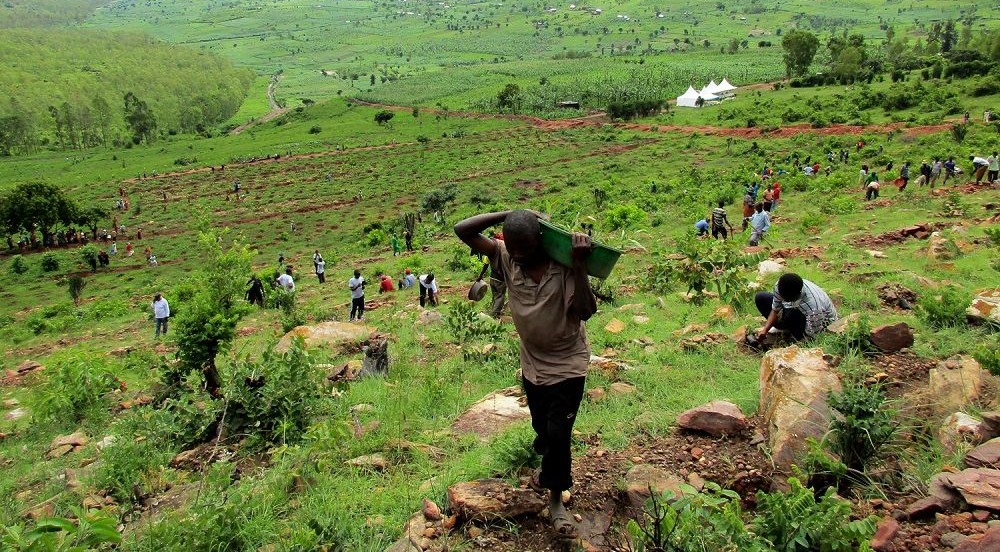
Rwanda has unveiled a major investment push aimed at restoring degraded land, strengthening climate resilience and safeguarding food security, as the country deepens efforts to align agricultural growth with sound environmental management.
The initiative brings together government institutions and development partners around climate-smart agriculture and sustainable land use as core pillars of long-term development.
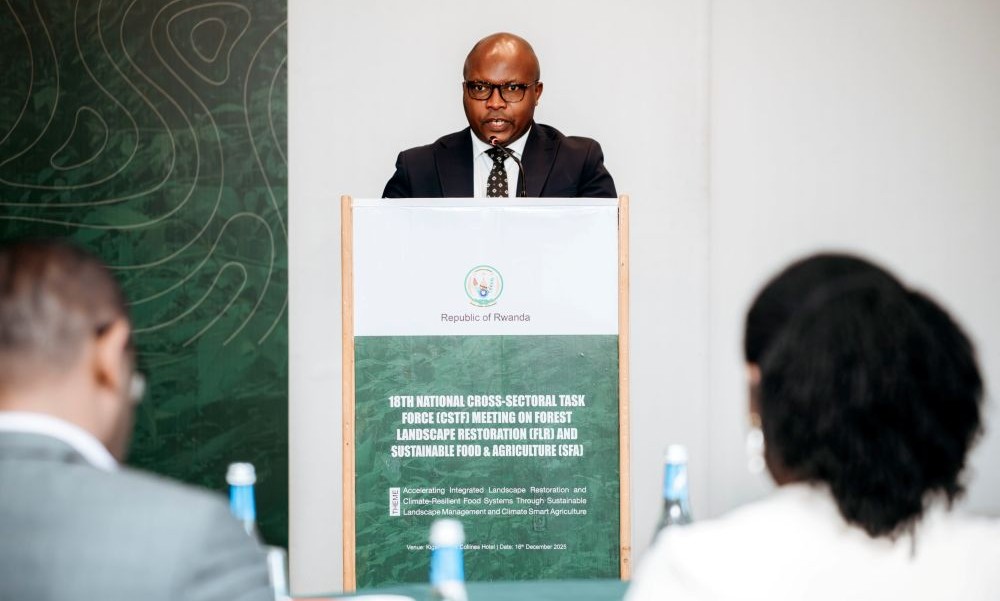
The plan was announced on December 16, 2025, during the 18th meeting of the National Cross-Sectoral Task Force on restoring degraded land and promoting sustainable agriculture, held in Kigali.
The meeting outlined two large-scale investment programs designed to respond to the growing impact of climate change on agriculture, infrastructure and national economic assets.
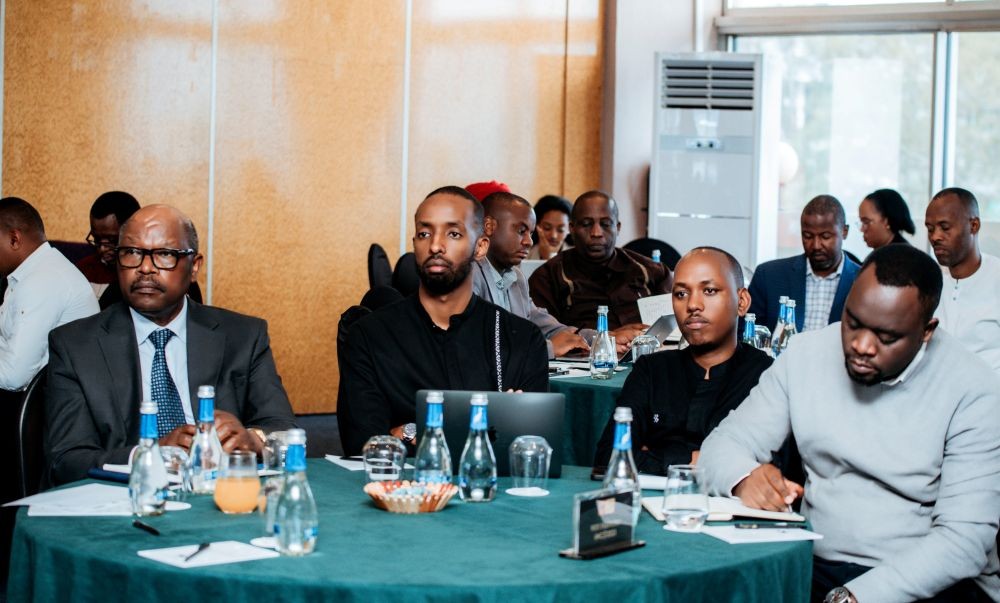
Minister of Environment Dr. Bernadette Arakwiye said agriculture cannot be separated from environmental protection, describing the two sectors as mutually reinforcing.
She warned that climate change is already disrupting production systems and threatening long-term investments. “Agriculture does not stand alone. Its productivity depends on healthy soils, reliable water systems, restored forests, and functioning ecosystems,” she said.
“Insufficient or excessive rainfall, floods, droughts, and soil erosion are damaging agricultural productivity, infrastructure, and long-term national investments,” she added.
Central to this is the Climate-Smart Agriculture Investment Plan, which aims to transform Rwanda’s agricultural sector into one that delivers high productivity while remaining resilient to climate shocks.
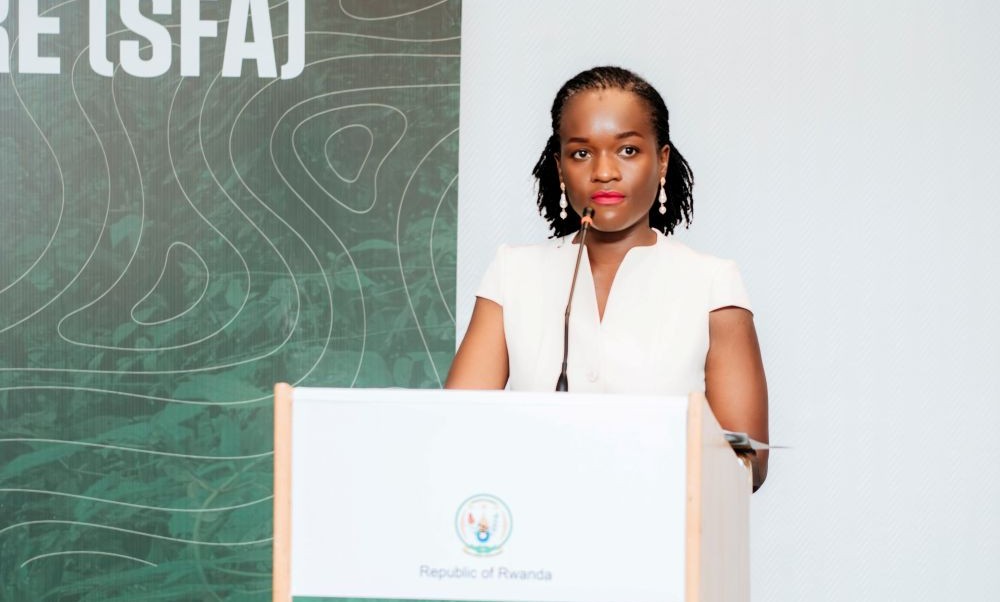
Minister of Agriculture and Animal Resources Dr. Telesphore Ndabamenye said the plan will be implemented over five years, from 2025 to 2030, with an estimated budget of $355 million.
The plan focuses on expanding climate-resilient agricultural practices, strengthening farm productivity and market access to raise incomes, and promoting sustainable approaches that reduce greenhouse gas emissions while increasing yields.
Key projects under the framework are valued between €17.5 million and €33 million, alongside a youth-focused agriculture initiative expected to mobilize up to $100 million.
Collectively, these investments are expected to restore more than 5,000 hectares of degraded land and improve livelihoods in rural communities.
Community ownership and decentralized planning were highlighted as essential to the success of the program. Minister of Local Government Dominique Habimana said lasting results depend on active participation by citizens and local authorities.
“The main idea is participatory planning, where citizens and local governments are at the forefront of decision-making. When communities take the lead, investments last and deliver sustainable results,” he said.
Habimana noted that village-level land-use planning has already been rolled out in 21 districts covering 470 villages, with an additional 200 villages expected to be included.
International conservation group IUCN reaffirmed its support for Rwanda’s land restoration agenda. Country Director Kaori Yasuda said the organization will continue providing technical assistance, mobilizing resources and strengthening local capacity.
“IUCN will continue working with Rwanda to implement national programs related to land restoration and promoting sustainable agriculture,” she said.
While the launch of the investment plan marks an important step, its success will depend on sustained coordination among government institutions, development partners, the private sector and communities to ensure food security, environmental protection and long-term economic resilience.
