
Rwanda Daily is excited to launch a brand-new weekly series covering Money, banking, finance, economy, statistics, business, agriculture and more. The goal of this series is simple to help you, especially the young, understand complex financial and economic topics in easy-to-grasp terms.
Every Monday, we will bring you fresh articles, tips, and practical examples that explain how money works, how businesses operate, and how you can make smarter financial decisions, both as an individual and in business.
At the end of each article, you will find an email address where you can send your suggestions for the next topic you would like us to discuss.
Your input will help us cover the subjects that matter most to you, making this series truly reader-driven and practical. Stay tuned and join us every Monday to learn, understand, and make your money work for you!
How bank cards work
In today’s world, money moves faster than ever before. From buying airtime on your phone to paying for online subscriptions like Facebook ads or TikTok promotions, we rely on bank cards more than cash.
But not everyone understands how these cards work or which one to choose. Let’s break it down in simple terms, with examples, so even a grade six student can easily understand. There are three types of bank cards namely; prepaid, debit, and credit cards.
Prepaid card enables you to spend what you load
A prepaid card is like a small wallet in your pocket. You put money on it first, then use it to pay for things online or in stores.
Take an example of John wants to advertise his small bakery on Instagram but doesn’t have a bank account. He can buy a prepaid card from any local bank, load, say, Rwf50, 000 on it, and pay for the ad. Once the money runs out, he can load more.
The reasons for owning this card are that no bank account needed, it helps control spending (since you can’t spend what isn’t loaded,) and it is accepted online and in stores worldwide.
In the U.S., Visa and Mastercard prepaid cards work the same way where students and travelers often use them to manage pocket money safely.
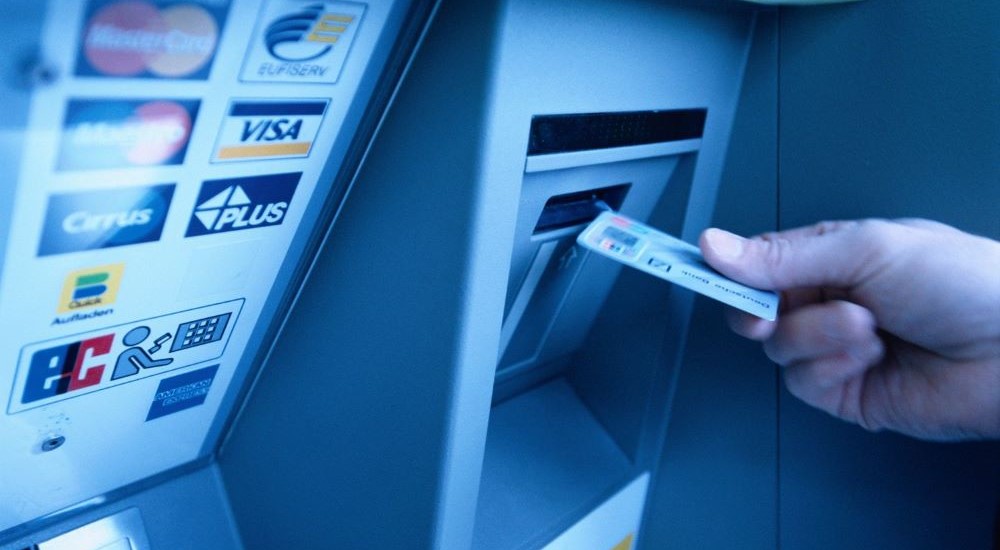
Debit card brings your bank account to your fingertips
A debit card is linked directly to your bank account. Money comes out of your account immediately when you spend.
Take an example of Alice, a young professional who earns a salary but spends more than she earns sometimes. She uses her debit card to buy groceries, pay utility bills, or subscribe to LinkedIn Premium. Every transaction comes straight from her account.
The reasons why one should own this card is because it makes it easy access to your money, works for online payments, in-store shopping, and ATM withdrawals and helps track your spending automatically.
Forexample in Kenya, M-Pesa debit cards allow people to pay online or at stores, even if they don’t have a traditional bank account, however, if your account has no money, the card will not work, and some banks charge overdraft fees. Always check your balance before spending.
Credit card enables you to buy now and pay later
A credit card lets you borrow money from the bank up to a certain limit. You pay the bank later, usually within a month, without interest if you pay on time.
Suppose Alex, a media owner, needs Rwf 500,000 to pay freelance journalists who are collecting stories in the field. He doesn’t have that money immediately in the business account. With a credit card, he can pay now and settle the bank next month.
What is outstanding about this card is that it is flexible, useful for emergencies or big payments and helps build credit history when used responsibly.
For example, in Europe and the U.S., credit cards are used by millions of businesses for daily operations. Even schools and NGOs use them for travel and online subscriptions. However, overspending can lead to debt and interest charges. Only borrow what you can pay back on time.
Which card should you use?
For young earners under 35, prepaid cards are ideal as they avoid debt and are easy to control unlike adults in business, who frequently find themselves using debit cards for everyday payments, while credit cards help when cash is low but payments are urgent.
For bigger companies like media, a mix works best with prepaid cards for field journalists’ petty cash, debit cards for operational expenses, and credit cards for larger, time-sensitive investments.
In such a company such as a media house, journalists in the field use a prepaid card to buy airtime, transport, or snacks. Finance uses a debit card to pay utility bills or suppliers while credit cards are used to pay for online tools like X, Facebook, LinkedIn, and TikTok advertisements when immediate cash is unavailable.
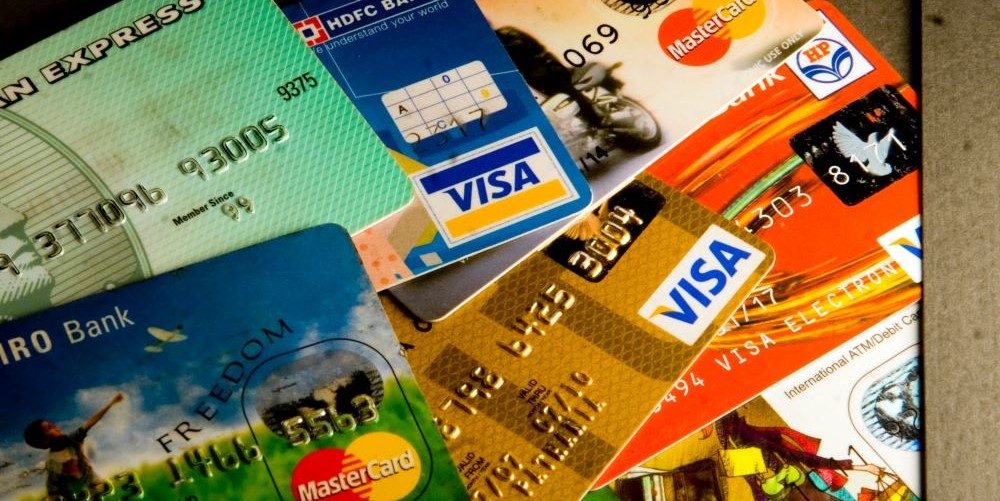
The global perspective
Bank cards are not unique to Rwanda. In the U.S., UK, Kenya, and India, people and businesses rely on prepaid, debit, and credit cards to manage daily expenses and online transactions. They make life easier, safer, and faster than handling cash.
As a tip, choose the right card for your needs and don’t use credit if you cannot pay it back on time. Monitor your spending, even a small amount overspent every day can add up.
But most importantly, use cards safely online, only pay on trusted websites and platforms and teach your children or employees how to handle cards responsibly.
Bank cards are powerful tools that, when used wisely, help individuals and businesses manage money, pay online, and even invest in growth. Whether it’s a student learning budgeting, an entrepreneur running out of cash, or a media house paying for daily operations, there is a card that fits the need.
We want to hear from you.
What topic should we talk about next? Send your suggestions to info.rwandadaily@gmail.com and help shape our next Monday feature.
