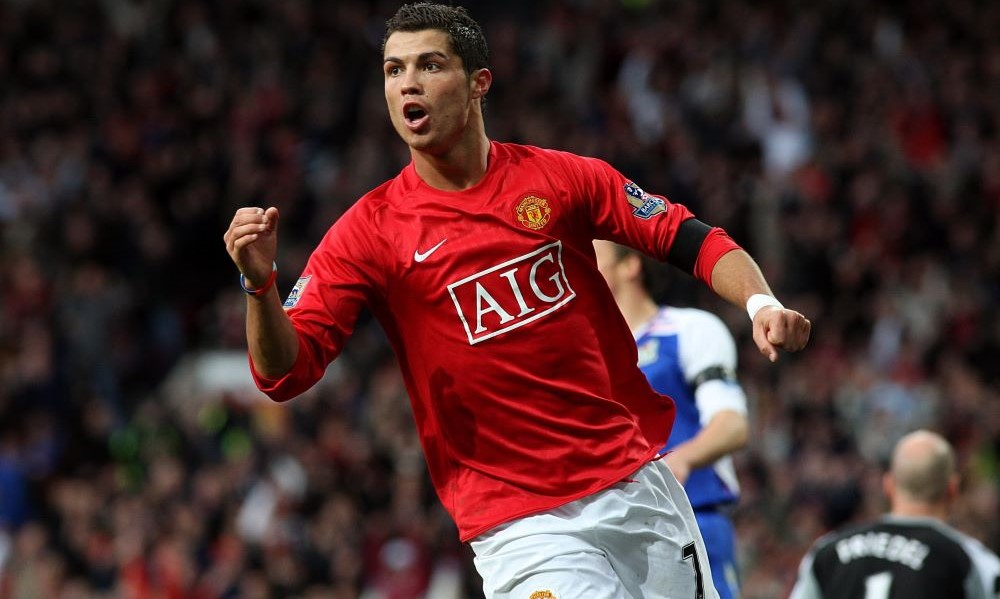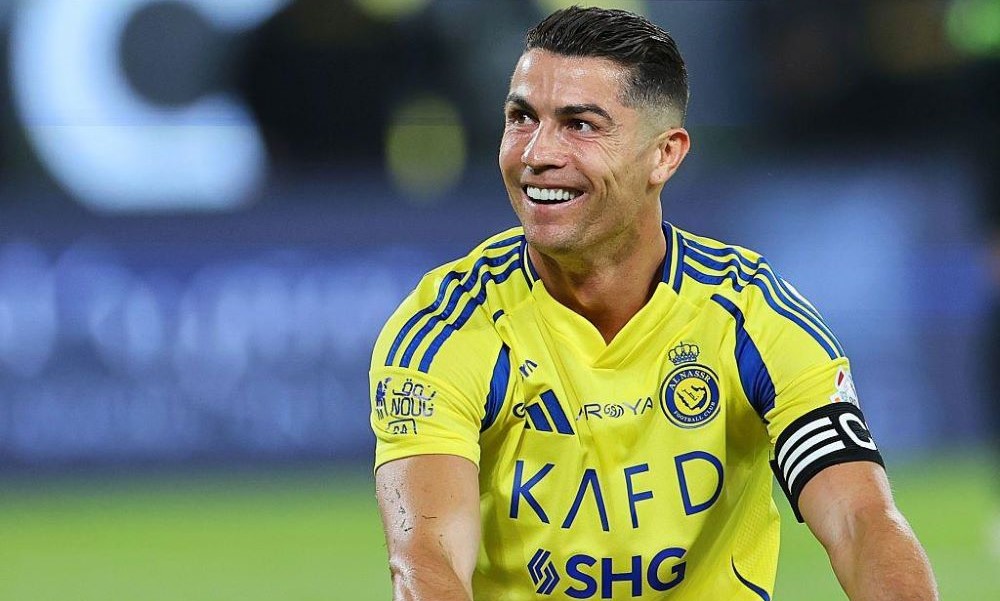
Cristiano Ronaldo has entered uncharted financial territory, becoming the first footballer in history to reach billionaire status, a feat that cements his legacy as one of the most commercially successful athletes of all time.
The 40-year-old Portuguese star, now playing for Saudi Arabia’s Al-Nassr, has built an empire over two decades at football’s highest level.
According to the Bloomberg Billionaires Index, Ronaldo’s net worth has climbed to $1.4 billion, propelled by an extraordinary mix of on-field earnings, endorsements, and savvy investments.
His current contract extension with Al-Nassr, signed in June 2025 and reportedly worth over $400 million, has catapulted him to the summit of sports wealth. The deal includes a tax-free annual salary, an equity stake in the club, and access to a private jet, making it one of the most lucrative sports contracts ever signed.
Ronaldo’s move to the Gulf kingdom in late 2022 was initially seen as a step away from the European limelight, but it has since turned into the most financially transformative decision of his career.
While Lionel Messi chose to join Inter Miami in the United States, Ronaldo’s switch to Saudi Arabia has given him an unmatched income advantage. Messi’s guaranteed pay reportedly stands at $20 million annually, roughly a tenth of Ronaldo’s.
Born and raised in poverty on the Portuguese island of Madeira, he left school at 14 to pursue football. His talent soon caught the attention of scouts at Sporting Lisbon, where Aurélio Pereira, the man who discovered him, recalled the young player as “a shy, thin boy with otherworldly ability.”
From there, Ronaldo’s career soared. After moving to Manchester United in 2003, he later joined Real Madrid in 2009, setting transfer records and redefining player salaries. His time at Juventus and multiple Ballon d’Or wins only reinforced his global stature.
Over two decades, he earned more than $550 million in salaries, alongside lucrative endorsements with Nike, Armani, and Castrol that have added nearly $175 million to his fortune.
With over 660 million Instagram followers, he remains the world’s most-followed person, giving his brand immense global reach, a fact that has not escaped Saudi officials keen on positioning the country as a growing sports and tourism destination.
His arrival in the Saudi Pro League ignited massive public enthusiasm, filling stadiums during his first matches, even if the initial frenzy has since cooled.
Beyond football, Ronaldo has built a diverse portfolio of ventures under his CR7 brand, spanning hotels, gyms, a media company, and fashion lines.
He has also invested heavily in Portuguese real estate, including a record-breaking Lisbon penthouse and a €20 million estate in Quinta da Marinha, attracting crowds eager for a glimpse of his opulent lifestyle.
His wealth management is overseen by Miguel Marques of LMcapital Wealth Management, based in Lisbon. The firm, which manages over €1.4 billion in assets, has guided Ronaldo’s investments across sectors including hospitality and sports infrastructure.
In recent years, he’s shown growing interest in owning football clubs, following the path of David Beckham, co-owner of Inter Miami. Part of that ambition has already materialized, as Ronaldo reportedly holds a 15% stake in Al-Nassr as part of his renewed deal.
Despite his immense fortune, Ronaldo’s path hasn’t been without controversy. His fiery personality has often drawn media attention, from clashes with journalists to outspoken remarks about his critics. Yet his competitive drive and self-belief have consistently fueled both his sporting and financial triumphs.
Now in the twilight of a career that has spanned continents and rewritten records, Ronaldo’s influence continues to expand beyond football.
His fortune, driven primarily by playing contracts rather than endorsements, distinguishes him from fellow billionaire athletes like Michael Jordan and Roger Federer, whose wealth stems largely from investments and brand partnerships.
As he nears retirement, which he says will come at Al-Nassr, Ronaldo’s story stands as a reflection of modern sport’s transformation into global business. From a boy in Madeira to football’s first billionaire, his journey captures both the evolution of the game and the scale of ambition that continues to define him.