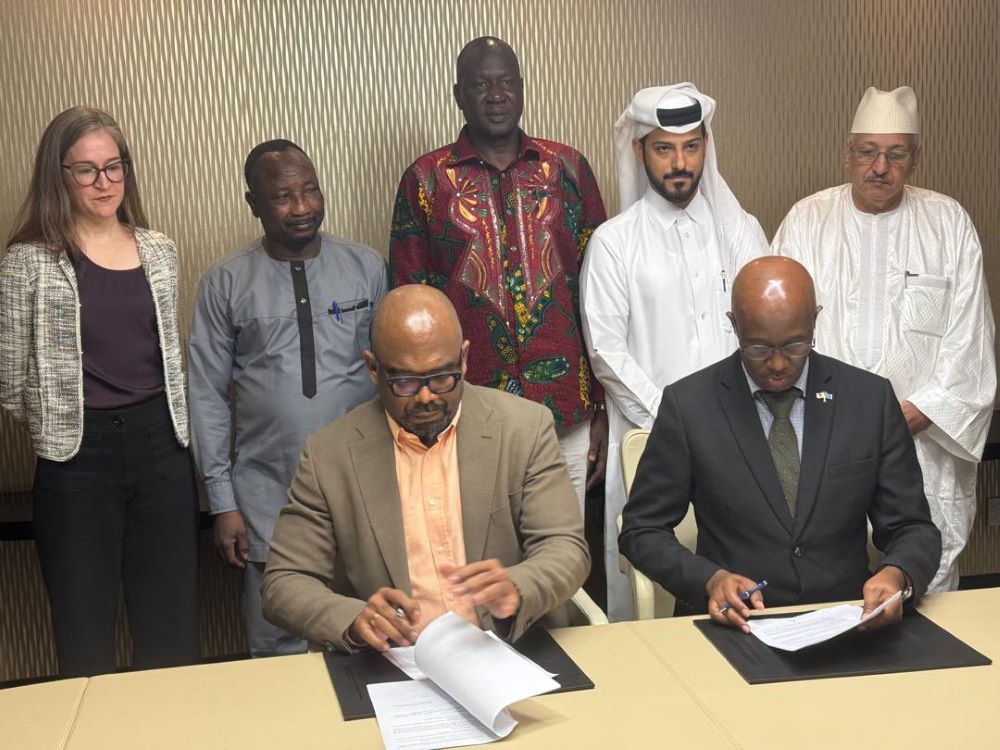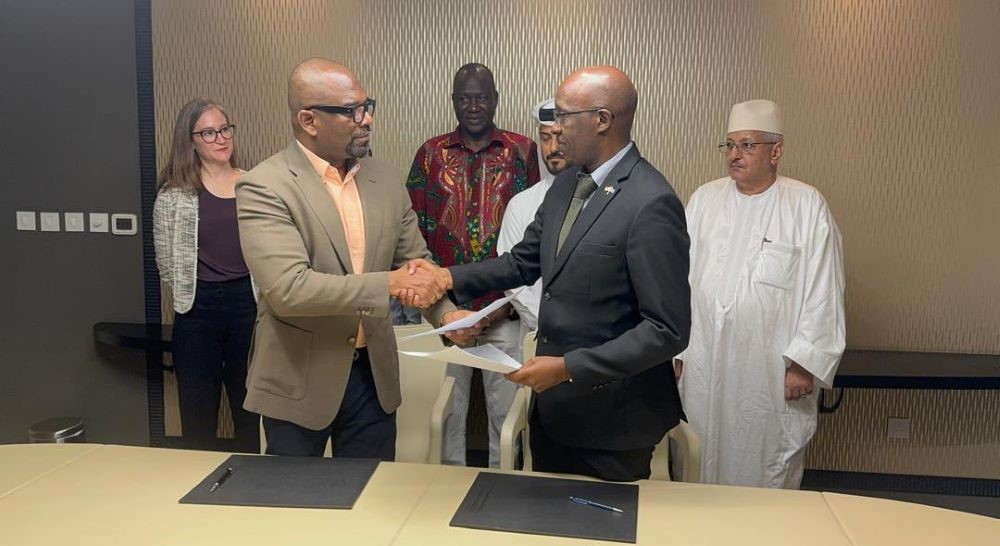
A new wave of optimism is emerging over efforts to end years of conflict in eastern Democratic Republic of the Congo (DRC) after the government and the Congo River Alliance (AFC/M23) signed a landmark agreement establishing a Ceasefire Monitoring and Verification Mechanism.
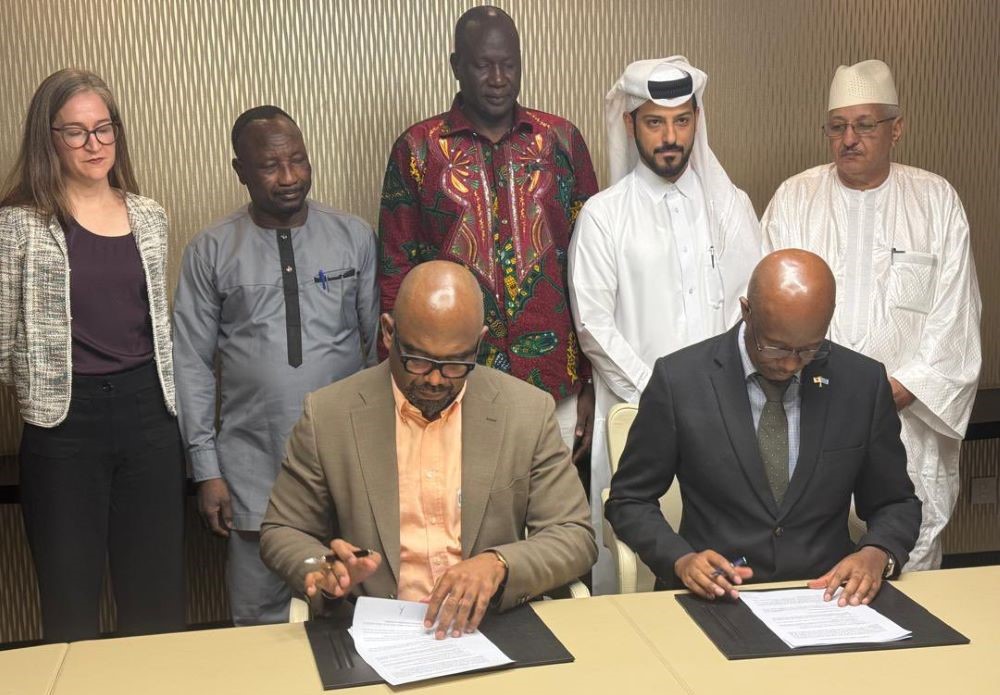
The accord, signed on Tuesday, October 14, 2025, in Doha under the facilitation of Qatar, brought together representatives of both the DRC government and the M23 movement.
The signing happened alongside international observers from Qatar, the United States, the African Union, the International Conference on the Great Lakes Region (ICGLR), and MONUSCO.
According to the DRC’s Ministry of Communication and Media, the signing marks a significant step forward in implementing the Doha Principles Declaration adopted on July 19, 2025.
It follows the establishment, a month earlier, of a Prisoner Exchange and Release Mechanism, another milestone in the peace process aimed at restoring trust between the warring parties.
The DRC government said the latest agreement reaffirms its determination to achieve a complete cessation of hostilities, safeguard civilian populations, and create the foundations for a comprehensive and lasting peace.
“Through this act, the Democratic Republic of the Congo reaffirms its willingness to achieve the cessation of hostilities, to guarantee the security of the populations, and to prepare the conditions for a comprehensive and lasting peace agreement,” the Ministry stated.
The monitoring and verification mechanism is expected to serve as the backbone of the Doha peace framework, ensuring that both sides uphold the ceasefire commitments on the ground.
It will also help investigate potential violations, coordinate information sharing among observers, and enhance transparency in the peace implementation process.
In a statement welcoming the development, Lawrence Kanyuka, Spokesperson for the Congo River Alliance (AFC/M23), described the signing as a “significant advancement” in efforts to end the conflict.
“Finally, the Kinshasa regime has signed the protocol establishing the ceasefire verification mechanism. This is a significant advancement. We hope that this agreement will put an end to the repeated attacks carried out by the coalition forces of the Kinshasa regime against our civilian populations,” Kanyuka said.
He added that the deal could lay the foundation for a more stable and peaceful future if both sides act in good faith.
“If Kinshasa fully respects its commitments, this implementation will create the climate of serenity, peace, and security essential to allow us to finally address the fundamental issues of this conflict and ensure the protection of civilians,” he emphasized.
The signing of the ceasefire verification mechanism represents one of the clearest signals yet that both the DRC government and M23 are ready to move from confrontation to dialogue.
Backed by regional and international partners, the Doha process is viewed as the most promising pathway to ending a conflict that has displaced millions and destabilized the Great Lakes region for decades.
Observers say the success of the newly signed agreement will depend on the parties’ willingness to uphold their pledges and to translate diplomatic commitments into concrete peace on the ground.