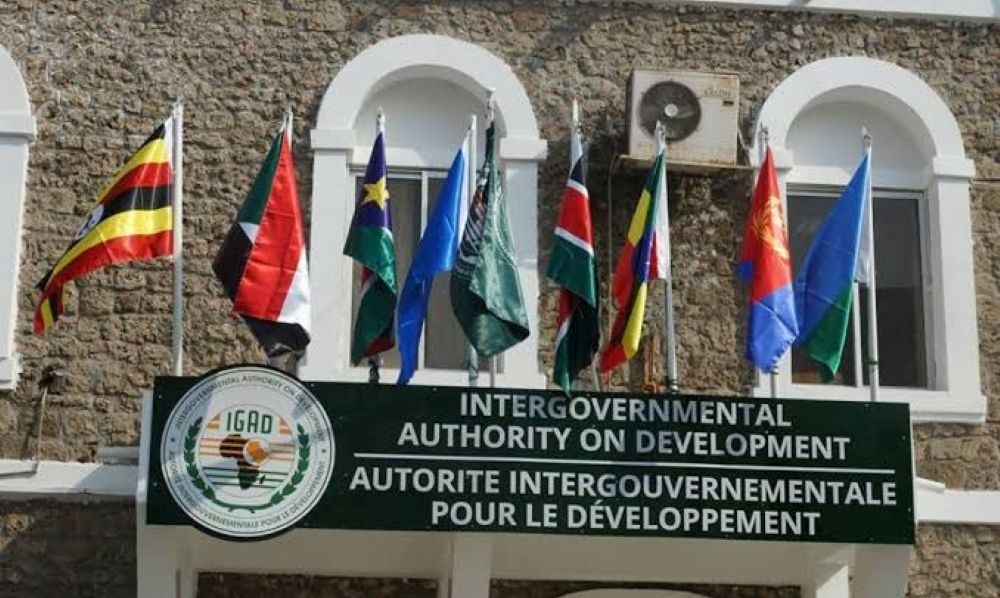
Eritrea has once again pulled out of the Intergovernmental Authority on Development (IGAD), accusing the regional bloc of drifting away from its founding mission and being used against certain member states, particularly Asmara.
This marks the second time Eritrea has distanced itself from the organization it helped establish. In a statement issued on Friday, the Eritrean Ministry of Foreign Affairs said it had formally notified IGAD Executive Secretary Workneh Gebeyehu of its decision to disengage.
According to the ministry, IGAD has failed to live up to the expectations of the region’s peoples and, over time, has instead played a counterproductive role. Eritrea accused the bloc of abandoning neutrality and becoming an instrument used to target specific member states.
Asmara recalled its key role in the revitalization of IGAD in 1993, noting that it worked closely with other countries to strengthen the organization and position it as a platform for promoting peace, stability, and regional economic integration. Eritrea argued that those original objectives have since been undermined.
The latest withdrawal casts doubt on the optimism that surrounded Eritrea’s return to IGAD in February 2023. During a state visit to Kenya, President Isaias Afwerki and his host, President William Ruto, announced that Eritrea would rejoin the bloc, pledging to work with other member states to reform and revitalize IGAD so it could better address regional challenges.
However, Eritrea now says those reform efforts never materialized. The country was among IGAD’s founding members when the bloc was formally established in 1996, expanding its mandate beyond drought response, which had been its original focus at inception in 1988.
Eritrea first withdrew from IGAD in April 2007, raising concerns similar to those cited in its latest statement. The Foreign Affairs Ministry said the organization has consistently ignored calls for reform and continues to fall short of its legal and institutional responsibilities, thereby eroding its credibility.
Although Eritrea has announced its withdrawal, the move is largely symbolic. The IGAD treaty does not include provisions for member states to formally exit, as its founders did not anticipate withdrawals. In practice, disengagement has meant non-participation rather than legal separation.
From 2007 to 2023, Eritrea effectively isolated itself from IGAD by refusing to attend meetings, take part in decision-making, or contribute financially. Sudan adopted a similar stance between January and December 2024 before later resuming its involvement.
IGAD officials have described Eritrea’s membership as inconsistent. The bloc noted that Asmara has not taken part in IGAD activities since June 2023 and has not submitted concrete proposals outlining the reforms it seeks.
In a statement, the IGAD Secretariat expressed regret over Eritrea’s decision, saying it was taken without formal engagement or the presentation of specific reform demands. The Secretariat said it had remained open to dialogue and patient throughout the period of Eritrea’s absence.
Despite the setback, IGAD said it would continue efforts to engage Eritrea and encouraged the country to reconsider its position and return to the organization in good faith to advance shared regional goals.
