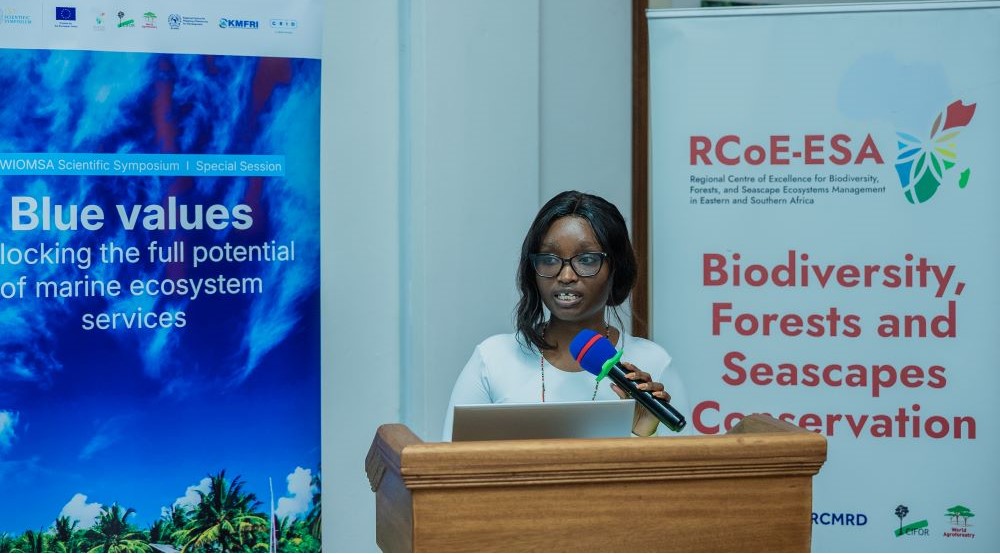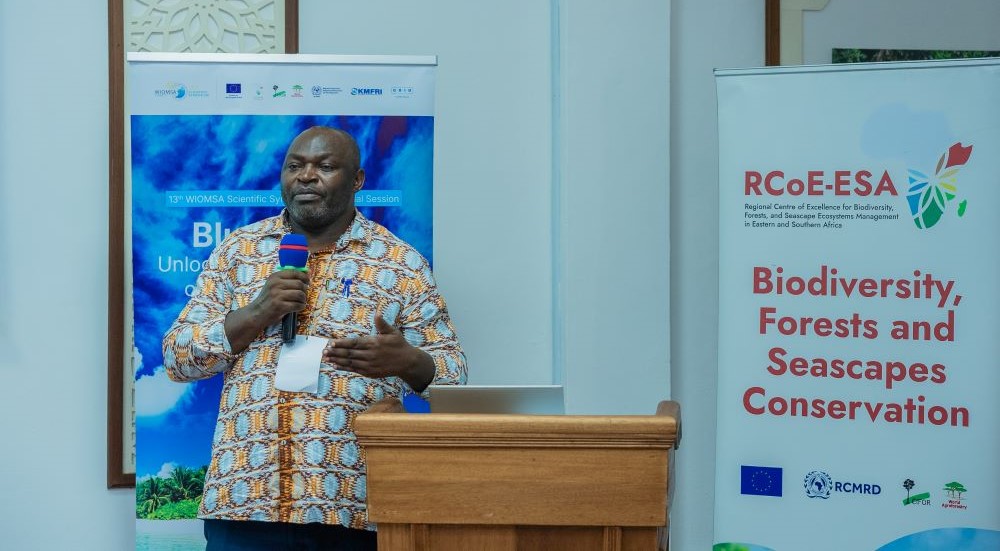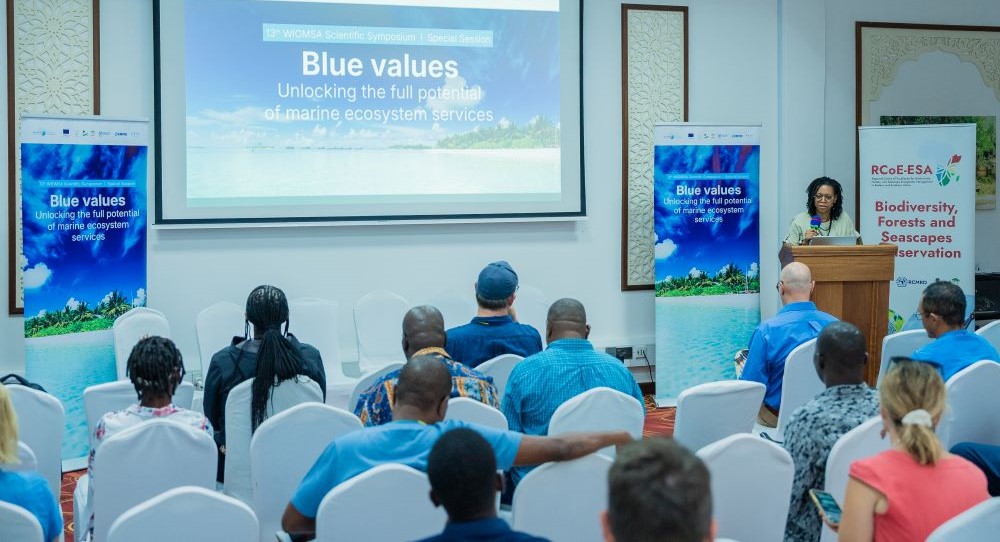
The Indian Ocean is a lifeline for millions, providing food, jobs, protection, and cultural identity. Yet, as threats from climate change, overfishing, pollution, and habitat loss grow, marine experts are calling for a shift in how the ocean is managed.
At the 13th Western Indian Ocean Marine Science Association (WIOMSA) Scientific Symposium in Mombasa, held from September 28 to October 3, 2025, scientists and policymakers urged countries to adopt a “Blue Values” framework.
This is a holistic approach that captures not just economic, but also ecological, cultural, and social benefits of marine ecosystems.
“The ocean is more than a source of fish or tourism revenue. It is also crucial for regulating climate, protecting coastlines, sustaining biodiversity, and preserving cultural identity,” said James Kairo, Chief Scientist at the Kenya Marine and Fisheries Research Institute (KMFRI).
“These values need to be captured in national planning and policy processes to enable countries to make better decisions about investments, restoration and governance,” he added.
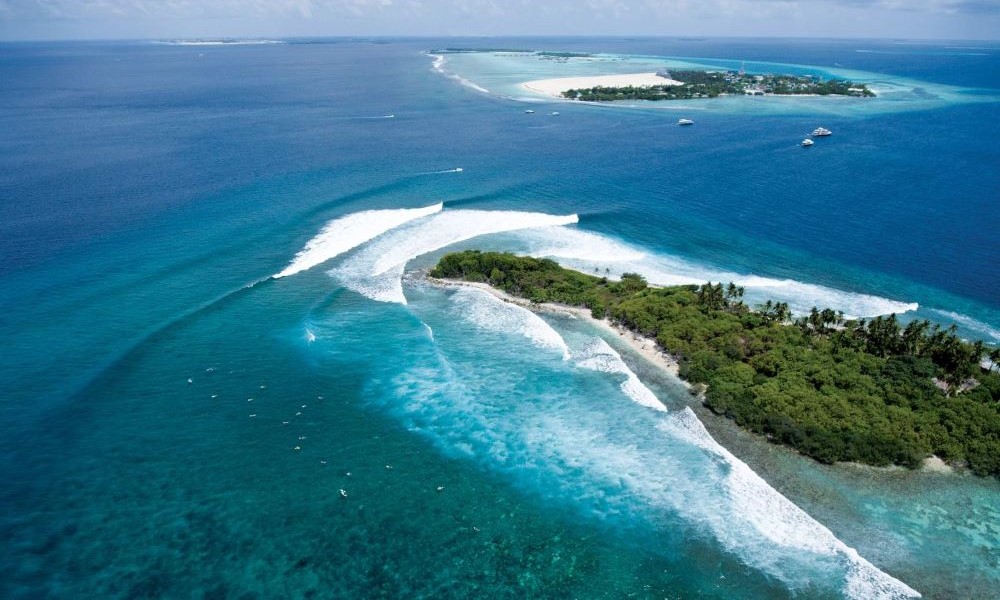
The Western Indian Ocean region, spanning ten countries from Comoros to South Africa, already generates an annual Gross Marine Product valued at over US$20.8 billion, according to WWF figures. But experts warn that short-term economic focus risks undermining the very systems that sustain this wealth.
“Their health directly determines the resilience of both our marine ecosystems and the coastal communities that depend on them,” he emphasized.
The Blue Values approach suggests that investments should not merely minimize harm but actively restore and enhance ocean health.
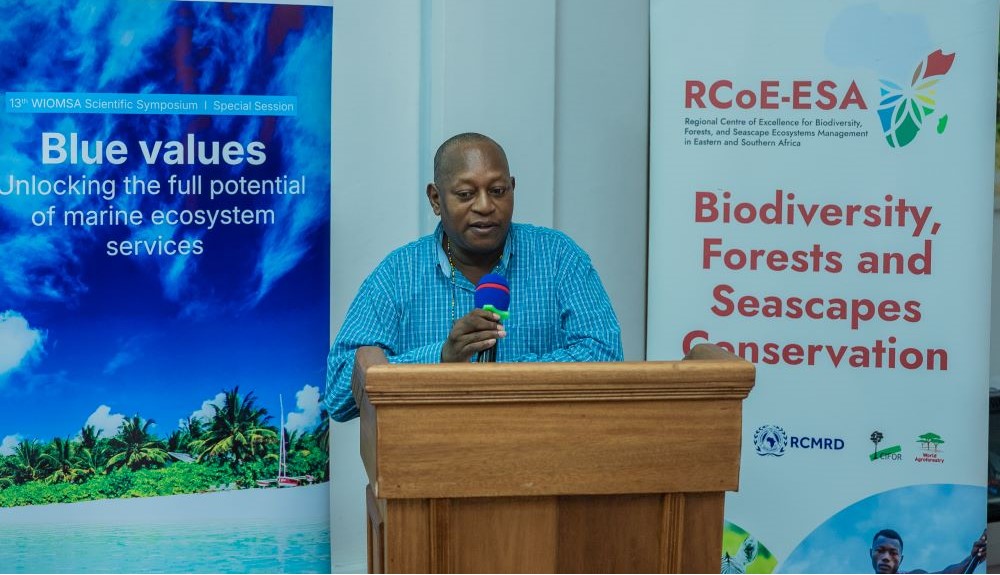
“This means that investments should be directed towards activities that restore and enhance ocean health rather than just minimising harm,” explained Ivy Amugune, Research and Development Specialist at CIFOR-ICRAF.
To achieve this, credible science and data must be at the center of decision-making. Regional institutions such as CIFOR-ICRAF and the Regional Centre for Mapping of Resources for Development (RCMRD) are developing platforms, including a new seascapes geoportal, that reveal the often-invisible benefits of coastal ecosystems.
“We are committed to enabling regional mapping, data, and spatial analysis so that decision-makers can see the unseen,” said Josphat Nguu, Ecosystem Ecology Specialist at RCMRD.
Another cornerstone of the framework is community participation. Experts stressed that conservation will only succeed if coastal communities are directly involved in shaping solutions.
“To sustainably manage the Indian Ocean ecosystems, it is vital to meaningfully involve communities living along the coastline who depend on these resources for their survival,” said Lorna Nyaga, Community Engagement Specialist at CIFOR-ICRAF.
“Their voices, knowledge and leadership are essential to shaping solutions that are not only effective but also just and enduring,” she noted.
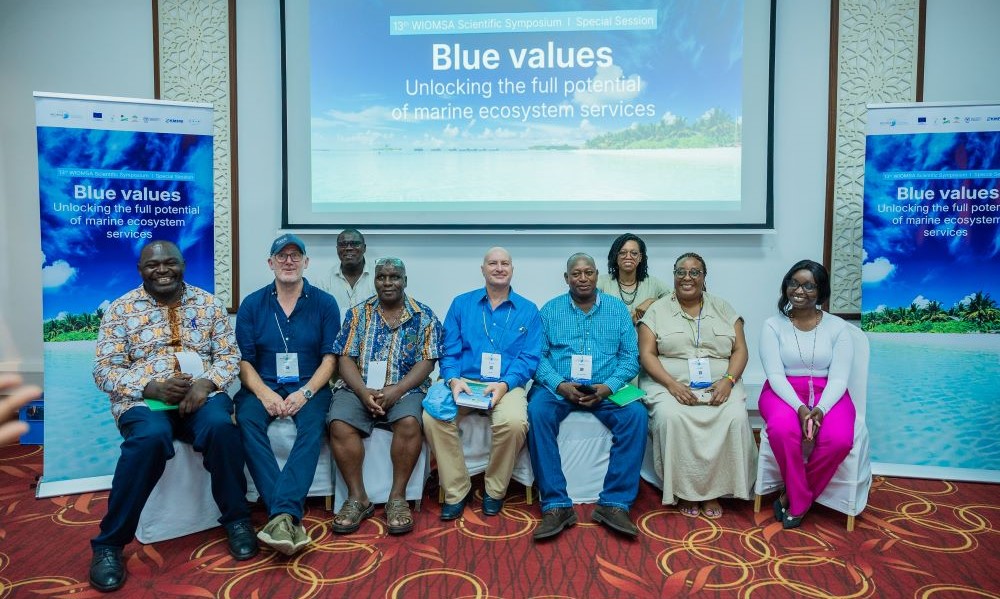
The emotional thread tying these perspectives together is that thriving marine ecosystems go hand in hand with thriving communities. Preserving biodiversity, strengthening food security, and protecting cultural heritage are inseparable from economic development.
Experts say that embedding Blue Values into regional policies is critical to long-term prosperity. “Policies must go beyond short-term gains and recognise the ocean as a foundation for long-term prosperity,” said Jacklin Karimi, Policy Engagement Specialist at RCMRD.
“By mainstreaming Blue Values into marine spatial planning, fisheries regulations, climate strategies and coastal development policies, countries in the Western Indian Ocean can safeguard livelihoods, enhance resilience, and unlock sustainable economic opportunities,” she emphasized.
The Indian Ocean’s future cannot be secured by economics alone. By embracing Blue Values, governments can protect the invisible wealth of the ocean while ensuring that coastal communities continue to thrive for generations to come.