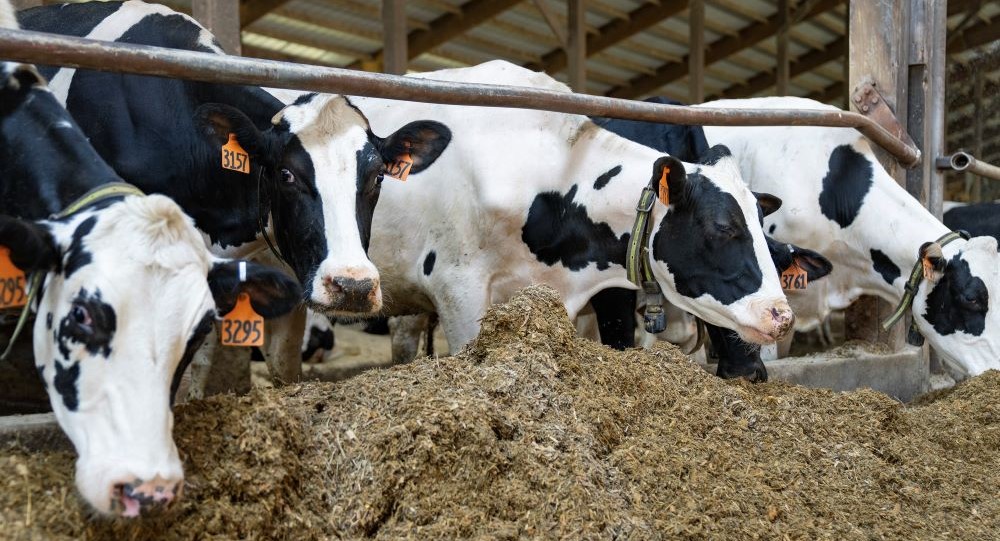
The Government of Rwanda has unveiled a plan to increase agricultural and livestock production by 50% by 2029, aiming to achieve full food self-sufficiency while driving national economic growth.
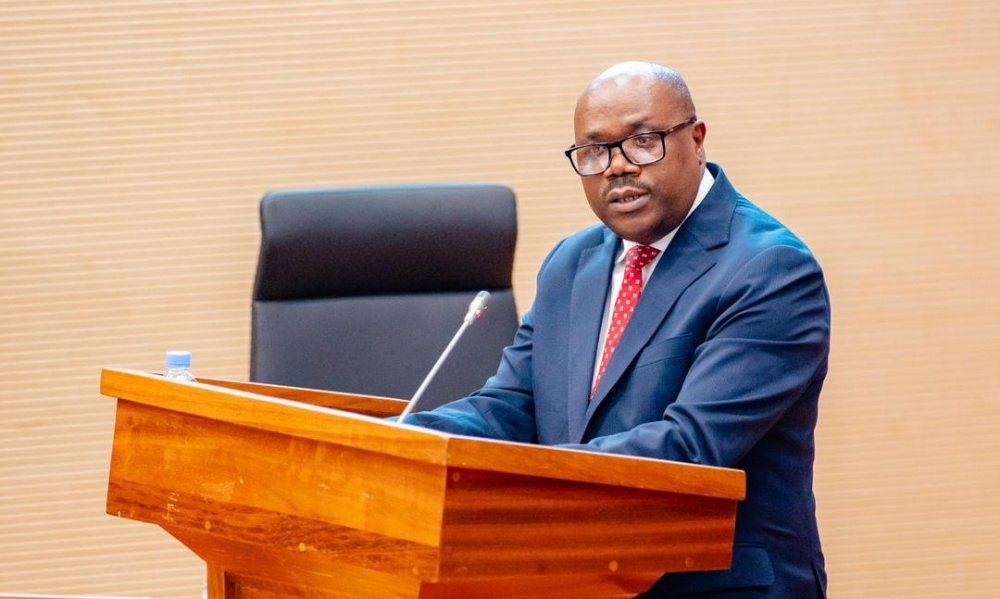
Prime Minister Dr. Justin Nsengiyumva, outlining the government’s priorities earlier this week, said the target will be achieved through increased investment in modern farming methods, expanded irrigation, greater use of technology, and stronger financial support for farmers.
Currently contributing about 25% of Rwanda’s GDP, agriculture remains the backbone of the economy and the primary source of livelihood for nearly 70% of the population. It also accounts for 55% of jobs in rural areas and 12% in cities.
“Everyone knows that in Rwanda, agriculture is the foundation for achieving sustainable economic growth. It plays a unique role in improving the lives of our people,” Dr. Nsengiyumva said.
He emphasized that the government’s broader development agenda under the National Strategy for Transformation (NST2) includes improving food security, raising household incomes, and strengthening resilience. The goal is to move food self-sufficiency from 79.6% in 2024 to 100% by 2029.
Key Interventions
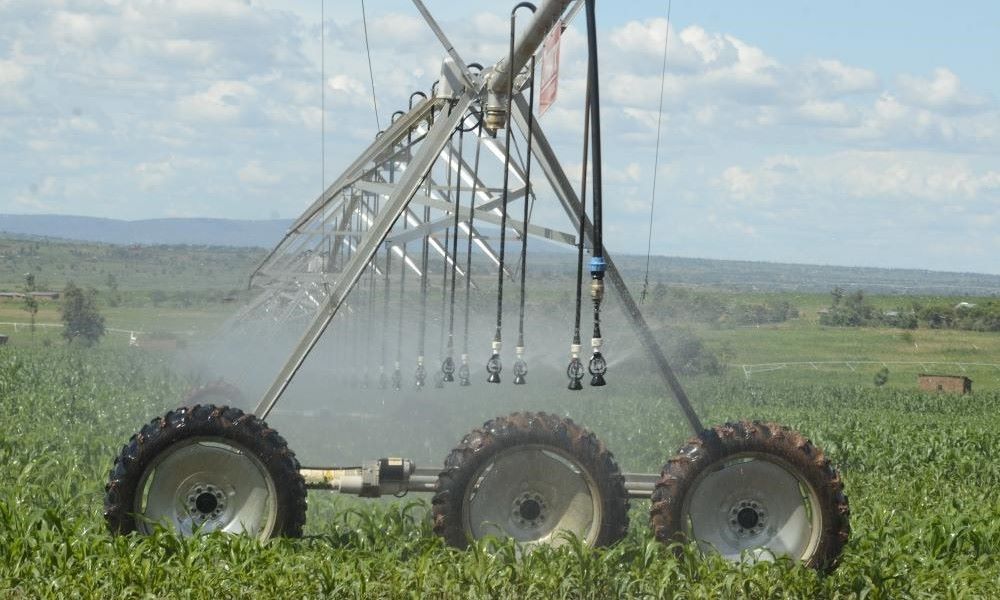
Among the strategies highlighted is the expansion of irrigated farmland from 74,375 hectares today to 132,171 hectares by 2029. To encourage smallholder farmers, the government will continue subsidizing half the cost of irrigation equipment, with farmers covering the rest.
Seed production will be scaled up locally to reduce reliance on costly imports, while fertilizer use is expected to increase from 73.1 kilograms per hectare to 94.6 kilograms by 2029.
Access to finance remains a challenge for many farmers, with only 6% of loans currently directed to agriculture. The government plans to raise this figure to at least 10% over the next four years.
The crop and livestock insurance scheme will also be strengthened to protect farmers against losses. Since its introduction, the government has invested Rwf 5 billion in the program, while insurers have paid out Rwf 7.1 billion in claims. Currently, more than 307,000 crop farmers and 56,000 livestock keepers are covered.
Rising output and storage capacity
Agricultural production has already made a strong contribution to Rwanda’s rising GDP per capita, which increased from USD 754 in 2017 to USD 1,040 in 2024. Processed agricultural goods have grown in value from Rwf 369 million in 2017 to Rwf 1 trillion last year.
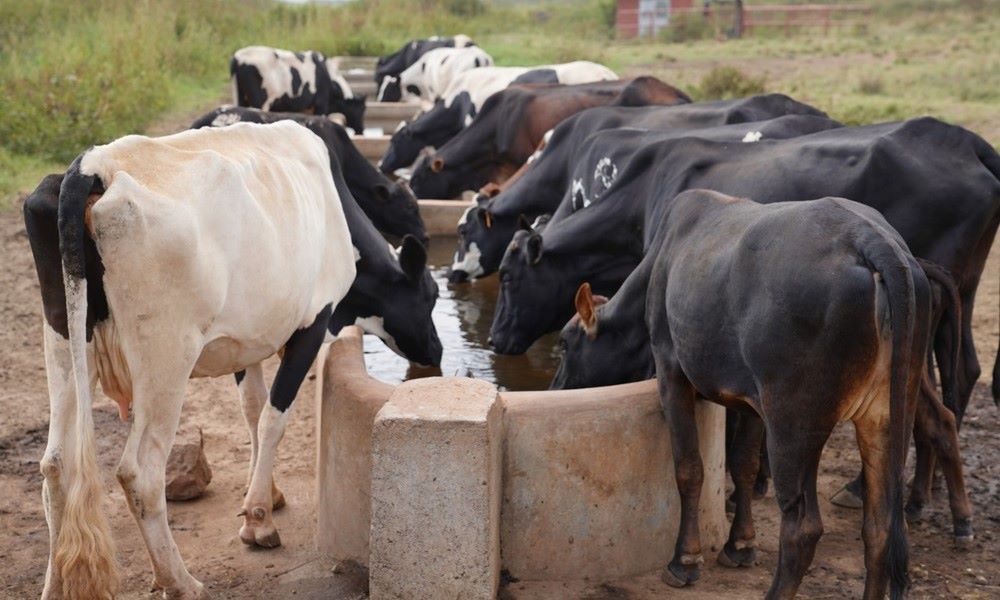
Storage capacity for grains has expanded to 318,000 tons and is set to reach 420,000 tons by 2029. Milk production is expected to increase from 1.09 billion liters in 2024 to 1.3 billion liters annually by 2029.
Fish production is projected to grow from 48,000 tons today to 77,000 tons, while annual egg output is expected to rise from 17,000 tons to at least 21,000 tons over the same period.
Building a sustainable future
Dr. Nsengiyumva stressed that Rwanda’s agricultural transformation is not only about productivity, but also about building sustainable systems that improve lives, protect farmers, and secure long-term food security.
“Increasing agricultural output means more than just higher numbers. It means better lives, stronger families, and a resilient economy that works for all Rwandans,” he said.
With agriculture still at the heart of Rwanda’s development, the government’s ambitious 2029 target is a signal of confidence, one that places farmers at the center of the nation’s drive toward prosperity.
