
Looking back at Rwanda’s turbulent early 1990s, one cannot escape the grim reality that violence was not merely a symptom of political crisis, but a deliberate tool of governance under President Juvénal Habyarimana.
What unfolded in those years was not the accidental chaos of a fragile state, but the calculated weaponization of fear to maintain power. The regime chose repression and bloodshed over dialogue and protection, a choice that deepened divisions and paved the road to tragedy.
In the years prior to the 1994 Genocide against the Tutsi, mounting pressure from the Rwandan Patriotic Front (RPF) forced the government’s primary concern to shift onto safeguarding those in authority, not shielding citizens.
Thousands of people, suspected of sympathizing with the RPF, were arbitrarily arrested. What could have been a moment for reconciliation became instead an era of heightened paranoia and systematic intimidation.
Explosions became part of daily life. By May 1992 alone, at least 34 mines had detonated across the country, mainly in public spaces. The signing of the Arusha Accords, which many hoped would usher in peace, triggered yet another wave of orchestrated insecurity.
In Kibilira and Rutsiro, both (former Kibuye Prefecture) targeted violence erupted against Tutsis and Hutu political opponents. Gisenyi witnessed approximately 350 deaths and the displacement of more than 4,400 people, alongside widespread injuries.
Major roads in Gisenyi, Ruhengeri, Cyangugu, Kibungo and Kigali itself were shut down, paralyzing normal life.
The ruling party MRND, alongside its extremist ally CDR, did not hesitate to exploit political grievances. Illegal demonstrations erupted across the provinces, particularly in January 1993, as protests against the Arusha protocols degenerated into bloodshed.
At least 47 people were killed and many more injured. Cabinet records pointed directly to MRND and CDR as the instigators of these acts of violence, which by mid-January had spread and intensified across the nation.
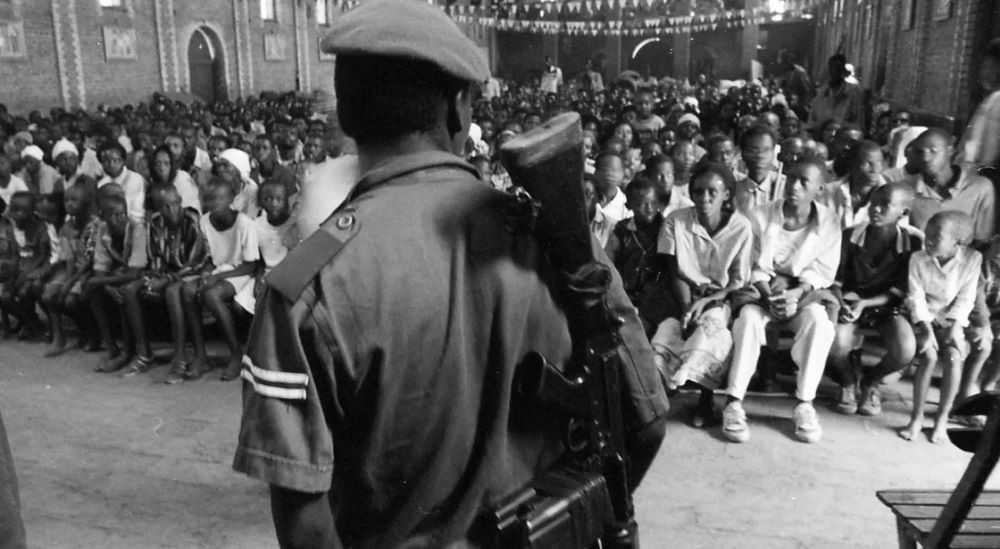
On 6 February 1993, the cabinet was forced to suspend political party campaigns in Gisenyi and Ruhengeri, a move resisted by MRND hardliners. A handful of local authorities implicated in violence, such as the mayors of Rutsiro, Giciye, Ramba and Gaseke, along with figures like Léon Mugesera, were suspended.
Yet these actions were cosmetic at best, a faint gesture in the face of a machine of terror that remained intact. The violence did not abate. Between April and May 1993, the capital itself was shaken by grenade attacks, robberies, and targeted assassinations, often carried out by young soldiers.
In Kigali alone, residents faced two to three assaults nightly. The Justice Minister, Stanslas Mbonampeka, narrowly survived an attack before defecting to the extremist Hutu Power faction.
Human rights activist Ignace Ruhatana and the Kanyarwanda Association also came under direct assault. Later in August 1993, a bomb exploded in Nyarugenge’s bustling market, killing and wounding many.
In the countryside, the story was equally grim. In August 1992, nearly 200 homes belonging to Tutsi families were torched in Gishyita commune, in the present day Karongi district.
Livelihoods were destroyed as banana plantations and coffee farms were uprooted, and livestock stolen or slaughtered. A year later, similar violence scarred Taba in Gitarama, leaving scores injured and entire families displaced.
The regional crisis deepened with the assassination of Burundi’s first democratically elected president, Melchior Ndadaye, in October 1993. The ensuing massacres against Tutsi in Burundi spilled insecurity into Rwanda, particularly in Cyangugu and Kibuye, where open threats against Tutsi became common currency.
Rwanda’s state media played an especially insidious role. Rather than calming tensions, it became a platform for hate. Extremists used the airwaves to justify and incite bloodshed, with some openly calling on Burundian Hutus to massacre Tutsis.
The coup in Burundi unleashed a flood of nearly 400,000 Burundian refugees into Bugesera and Cyangugu. Far from being passive victims, elements among them would later participate in killings during the 1994 Genocide against the Tutsi.
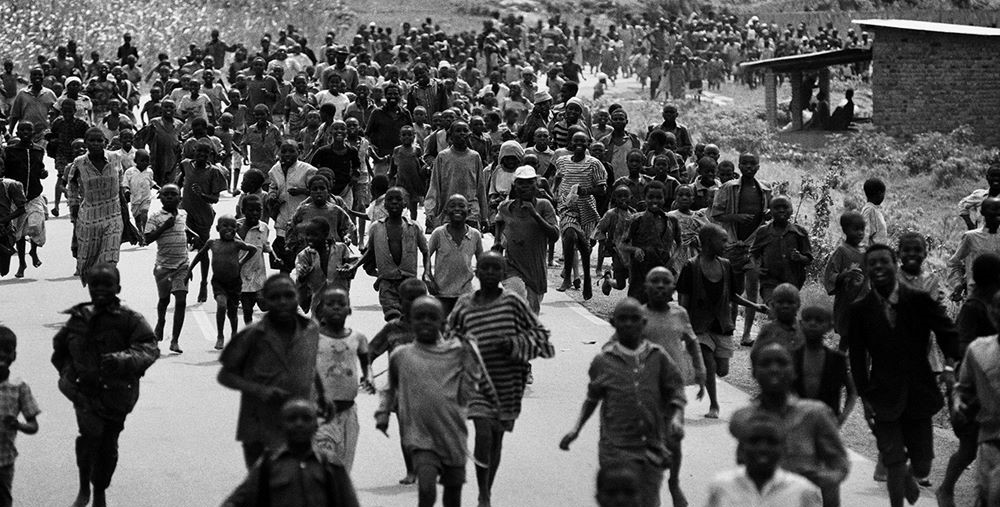
The Habyarimana regime had perfected the use of violence as political strategy: repression to silence opponents, terror to intimidate communities, and propaganda to legitimize it all.
But such a strategy, while effective in consolidating power in the short term, carried within it the seeds of Rwanda’s ultimate destruction. By normalizing violence, the regime ensured that death and fear became everyday tools of politics, corroding the possibility of peace long before the1994 Genocide against the Tutsi erupted.
Habyarimana’s legacy is therefore not simply one of failed leadership, but of deliberate cruelty. The choice to weaponize violence left Rwanda bleeding, broken, and vulnerable to the horrors that followed.
History’s verdict is that when a state trades protection for persecution, it does not preserve itself, it destroys the very foundation upon which it stands.
