Football in Rwanda is no longer what it used to be. The 2025/26 Premier League season has ushered in a transformation that extends far beyond the pitch, a change that reflects Rwanda’s growing regional influence and ambition to position itself as a hub for African football.
For the first time in its history, the Rwandan topflight is about to host three foreign clubs, Al Merrikh SC, Al Hilal SC, and El Ahli SC Wad Medani, all from Sudan.
Their arrival has not only altered the composition of the league but also redefined what domestic competition means in a country that continues to invest heavily in sports infrastructure, governance, and modernization.
This unique arrangement, approved by the Rwanda Football Federation (FERWAFA) and pending final endorsement by the Confederation of African Football (CAF), was born out of necessity and solidarity.
Sudan’s civil war, which erupted in April 2023 between the Sudanese Armed Forces and the Rapid Support Forces, forced the suspension of the national league. With the country’s footballing institutions in disarray, Rwanda opened its doors to the displaced clubs, an act that has since drawn admiration across the continent.
The integration of these Sudanese teams will transform Rwanda’s football calendar into something far more dynamic, cosmopolitan, and commercially promising. It marks a convergence between sporting compassion and strategic opportunity.

Regional solidarity meets sporting ambition
Beyond the gesture of support, Rwanda’s decision to host these clubs carries deep implications. It symbolizes a new form of African football diplomacy, where sport becomes a platform for cooperation and regional resilience.
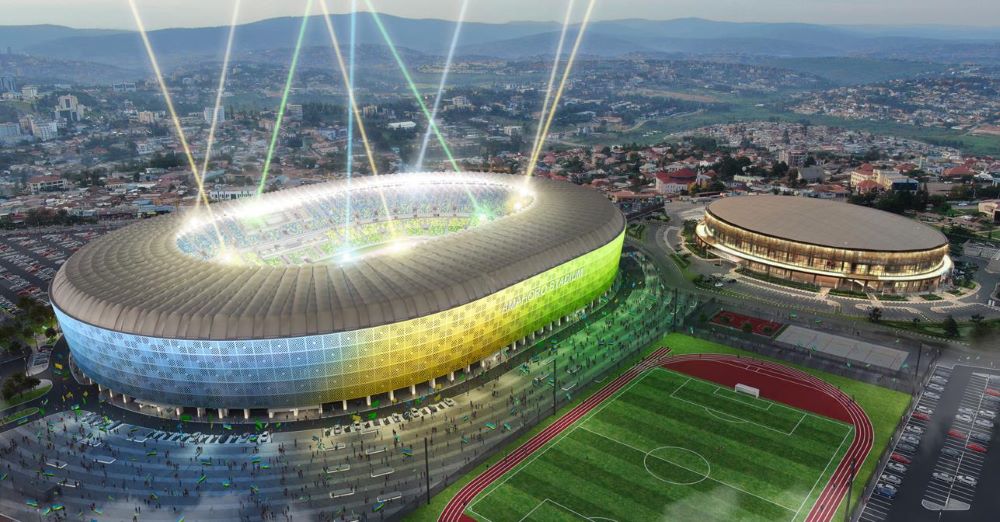
Al Hilal’s participation adds a continental dimension to the story. Having secured a place in the CAF Champions League group stage after defeating Kenya Police FC 4–1 on aggregate, the Sudanese powerhouse will now play its home fixtures at Kigali’s newly renovated Amahoro Stadium.
This means Rwanda will once again host group-stage matches in Africa’s premier club competition for the first time since Rayon Sports’ historic 2018 campaign.
The modernized Amahoro Stadium, approved by both CAF and FIFA, positions Rwanda as a credible venue for high-level continental fixtures. The influx of regional attention will inevitably benefit tourism, media visibility, and investment in local talent.
For Rwandan football, it’s a rare blend of humanitarian leadership and sporting advancement, proof that even in crisis, opportunity can emerge.

Reforms, technology and the road ahead
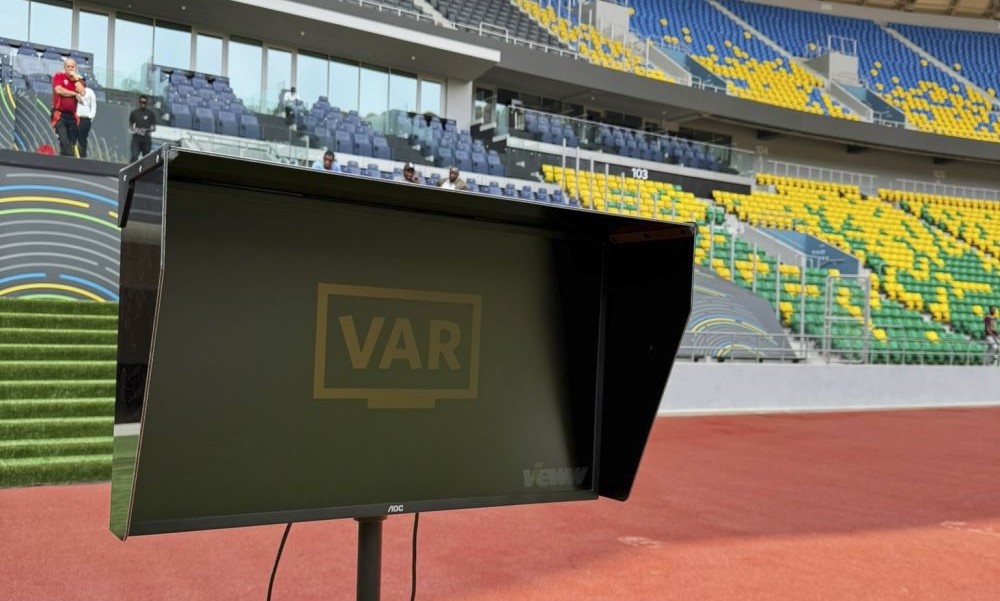
As Rwanda’s league embraces foreign participation, the federation is also pushing domestic reforms. FERWAFA President Fabrice Shema recently announced plans to introduce the Video Assistant Referee (VAR) system in the second leg of the ongoing season, with full implementation expected next year.
“In our region, the VAR office is based in Tanzania. I told them that sending only two referees out of 200 is not sufficient. We plan to request that the VAR team in Tanzania also come to Rwanda so we can train more referees locally,” Shema said during a press briefing on October 27, 2025.
His vision reflects a federation intent on improving transparency and competitiveness, a timely move as the league now attracts international scrutiny.
The VAR rollout, coupled with improved referee training and upgraded infrastructure, signals Rwanda’s determination to align with global football standards. With this, What Rwanda has achieved this season is not just a league expansion but a reinvention of purpose.
By hosting three Sudanese giants, embracing VAR technology, and opening Amahoro Stadium to Africa’s elite competition, the country has redefined its football identity, from a developing league to a regional benchmark for progress and inclusivity.
This is not simply about giving displaced teams a home. It is about showcasing how football can become a vessel for unity, innovation, and hope, even in the shadow of conflict.
Rwanda’s Premier League is no longer just a domestic contest, it has become a reflection of Africa’s shared resilience, played out on Rwandan soil.