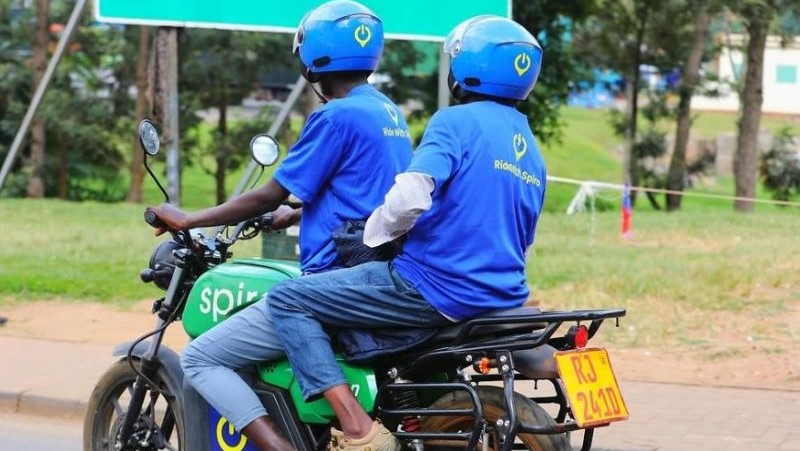
When Spiro set foot in Rwanda just two years ago, the ambition was to revolutionize mobility, make electric transportation affordable, and help Rwanda take a historic step toward climate resilience.
Kaushik Burman, Spiro’s CEO, explains that was a transformational opportunity, especially with the progressive policy that the Rwandan government has set out for electric mobility.
“Few countries in the world have gone as far as mandating the removal of gasoline-powered motorbikes. We owe it to our generation and the future ones, we are all grappling with the climate crisis,” he says.
Spiro’s core focus lies in building a wide-reaching, dependable electric transport ecosystem, one that is not only environmentally sound but also economically empowering.
With transportation contributing nearly 30% of greenhouse gas emissions globally, the company’s work directly targets this challenge. In Rwanda, where motorbikes make up a large part of daily commutes and livelihoods, electric solutions make the most sense.
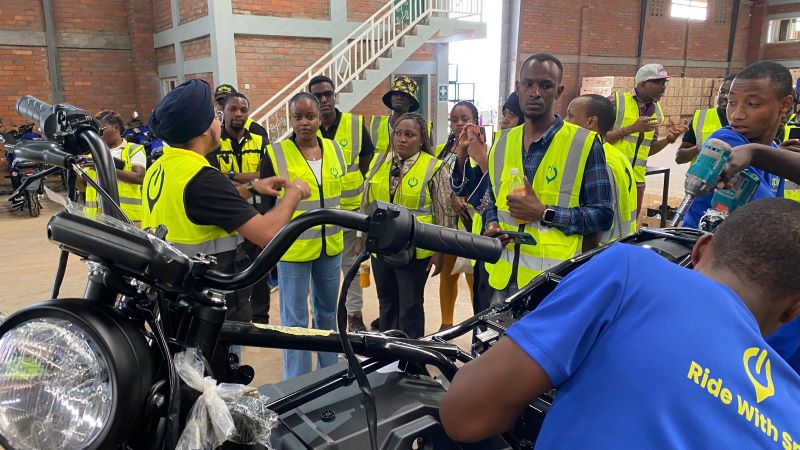
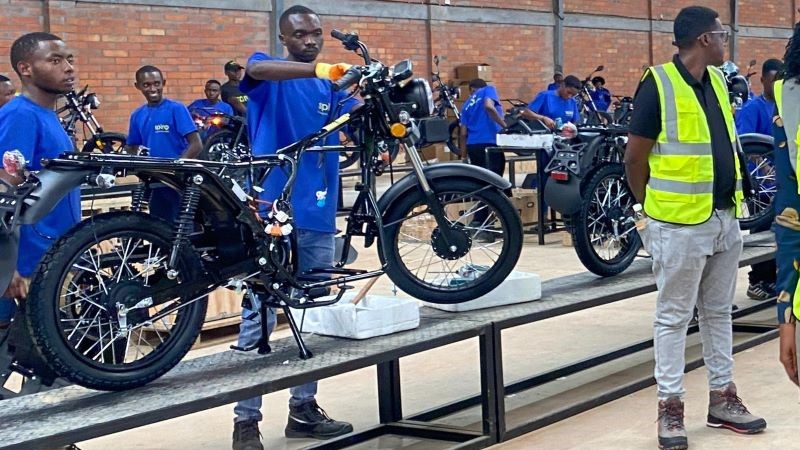
What sets Spiro apart is its deep integration with the local community. The bikes are assembled by over 400 Rwandan technicians, trained through initiatives like the Spiro Academy, which specifically focuses on upskilling women and semi-skilled workers.
“These affordable motorbikes are being made by our brothers and sisters here in Rwanda. We are trying to build an ecosystem that not only works but thrives, powered by Rwandan hands and ingenuity,” Burman says.
Like any startup disrupting a traditional industry, Spiro has faced challenges, particularly around supply chains. Global disruptions such as the US-China tariff war and two major international conflicts strained timelines and delayed deliveries.
“We acknowledge what could’ve been done better. We’ve now partnered with long-term suppliers across Asia to ensure reliability and scalability. And despite all that, demand has been overwhelming. We had 4,000 bookings within 10 days of launch,” Burman explains.

Even pricing, once misunderstood due to early promotional strategies, has now stabilized. Today, a Spiro electric bike goesss for $650 (less than Rwf 1million), less than half the price of a new gasoline-powered motorbike.
Beyond affordability, Spiro is investing heavily in local capacity. With over 500 jobs already created in Rwanda and a workforce composed of 45% women, the company is redefining what sustainable development means.
“We aim to be at 51% women by next year. This company is going to progress with the nationals. There’s no other way,” Burman reveals.
And the innovation doesn’t stop at two-wheelers. Spiro is preparing to roll out electric tricycles for cargo and farm produce transport, particularly beneficial for rural farmers. High-end personal-use electric bikes are also in the pipeline, catering to Rwanda’s growing urban youth demographic.
Safety, of course, remains a top priority. Arun Bhandari, Spiro’s Country Head in Rwanda, details one of the key innovations that differentiates the company’s bikes from traditional ones.
“We’ve added a feature where the battery power cuts off when you press the brake. This significantly reduces accidents caused by accidental acceleration. We also provide quality helmets and work closely with authorities to ensure they meet national safety standards,” Bhandari points out.
Bhandari confirms that Spiro is now operating in 25 out of Rwanda’s 30 districts, with a full national rollout planned by year-end. Spare parts are stocked locally, and battery swap stations are strategically placed so riders can recharge in under two minutes.
“We’ve done full-year planning ahead. Riders don’t need to worry about parts or range anymore. This is a fully sustainable system,” he says.
Battery performance, has drawn critical feedback from riders but Felix Rubanda, Spiro’s Head of Energy, explains that this is partly a teething issue related to quick battery deployment in a newly established network.
“Initially, new batteries may offer a slightly lower range. But within 2 to 3 weeks of active use, performance improves significantly. Also, Rwanda’s terrain is challenging. High throttle use during uphill rides draws more power. Steady speeds extend battery life,” Rubanda says.
This hands-on feedback loop is central to Spiro’s strategy. From product design to road safety, community insights guide improvements.
As Spiro expands, education becomes equally vital. Electric mobility is still new to many Rwandans. Shaton Ngabire, the company’s Head of Commercial, emphasizes the importance of community education alongside innovation.
He says that it’s not just about providing bikes but about helping users understand how to get the most out of them. Spiro is investing in awareness campaigns, training, and community engagement to support this goal.
Spiro’s electric mobility rollout in Rwanda is a social, economic, and environmental revolution. The company is positioning itself as a long-term partner in Rwanda’s development, aligning its goals with government policy and grassroots demand.
Whether it’s through safer bikes, job creation, women empowerment, or rural connectivity, Spiro is sending a clear message that the future of transport is not only electric but also inclusive, local, and sustainable.