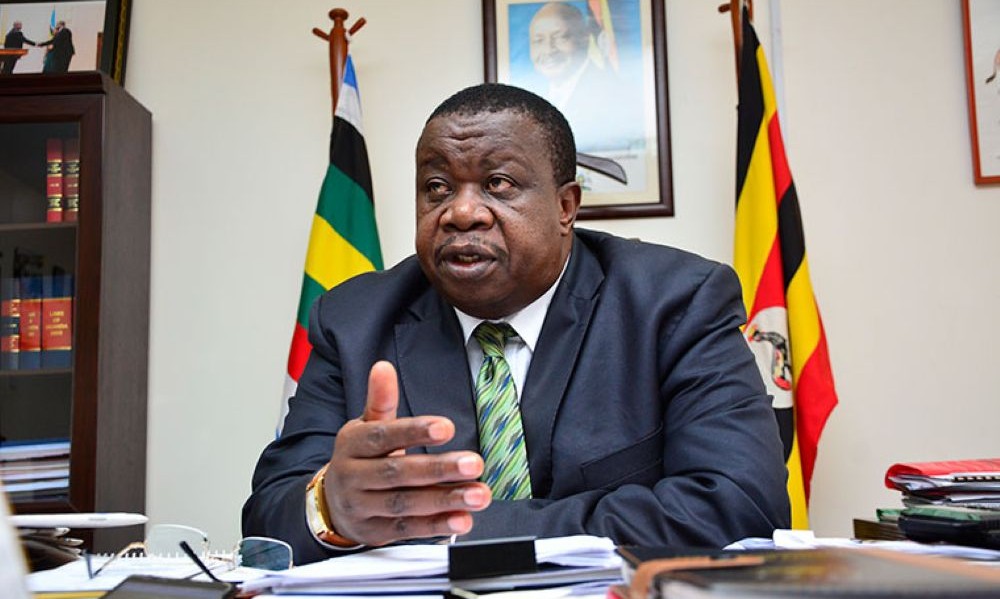
Kigali, Rwanda – Uganda’s Minister of Internal Affairs, Major General (Rtd) Kahinda Otafiire, has publicly distanced himself from the Uganda People’s Defence Forces (UPDF) amid mounting allegations of brutality against civilians.
Issuing a rare and pointed criticism of the military’s conduct during the ongoing election period, Otafiire was speaking at a recent wedding ceremony where the veteran of Uganda’s liberation struggles condemned what he described as the growing use of excessive force by security agencies.
Drawing from his revolutionary background, Otafiire warned that violence against civilians, particularly in politically sensitive situations, contradicts the very principles that once justified taking up arms against dictatorship.
Otafiire, a founding member of the Front for National Salvation (FRONASA), made it clear that he does not associate himself with the actions currently attributed to the army.
“I am not part of the UPDF. I am FRONASA,” he said, invoking the movement that fought the brutal regime of Idi Amin in the 1970s.
He reminded those present that the liberation struggle was driven by opposition to extrajudicial killings, suppression of free speech and the routine assault of civilians. According to him, it is alarming that similar abuses now appear to be resurfacing within state institutions.
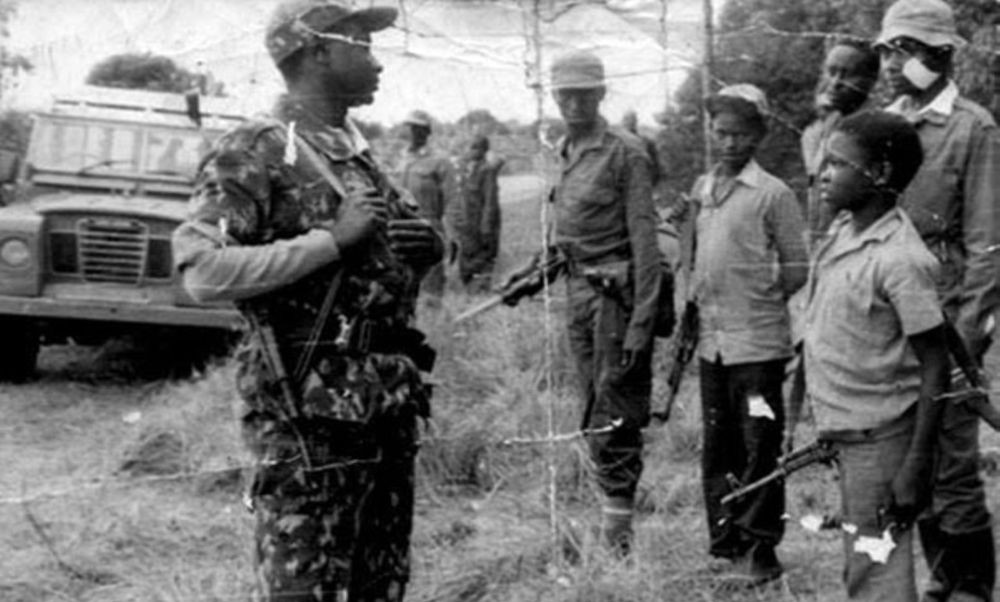
He directly criticized the practice of beating civilians, telling security personnel to abandon such conduct, which he said does not reflect the values of the liberation movement.
He cautioned that when state agents respond to provocation with violence, they erode their own credibility and moral authority.
Using a striking analogy, Otafiire argued that when the state descends into physical confrontations, it becomes difficult for the public to distinguish lawful authority from disorder.
He stressed that government should engage citizens strictly through the rule of law, noting that restraint, not force, is what preserves legitimacy during tense political moments.
His remarks come against the backdrop of growing concern over the UPDF’s involvement in civilian law enforcement, particularly as Uganda heads toward the 2026 general elections.
Several incidents have placed the military under intense public scrutiny, with accusations of harsh crowd control and violent engagement with opposition supporters.
Early this month, a video that went viral on social media showed UPDF personnel caning civilians in Gulu City during clashes involving supporters of opposition leader Robert Kyagulanyi, popularly known as Bobi Wine.
The footage sparked widespread criticism. Police later confirmed that the incident was under investigation, describing the actions as “regrettable and undesirable” and promising accountability for any misconduct.
Earlier, Bobi Wine alleged that he and members of his campaign team were beaten by security forces while campaigning in northern Uganda, claiming they were attacked by individuals in police and military uniforms using sticks and stones.
Videos shared online appeared to show unarmed supporters being assaulted, with several sustaining visible injuries.
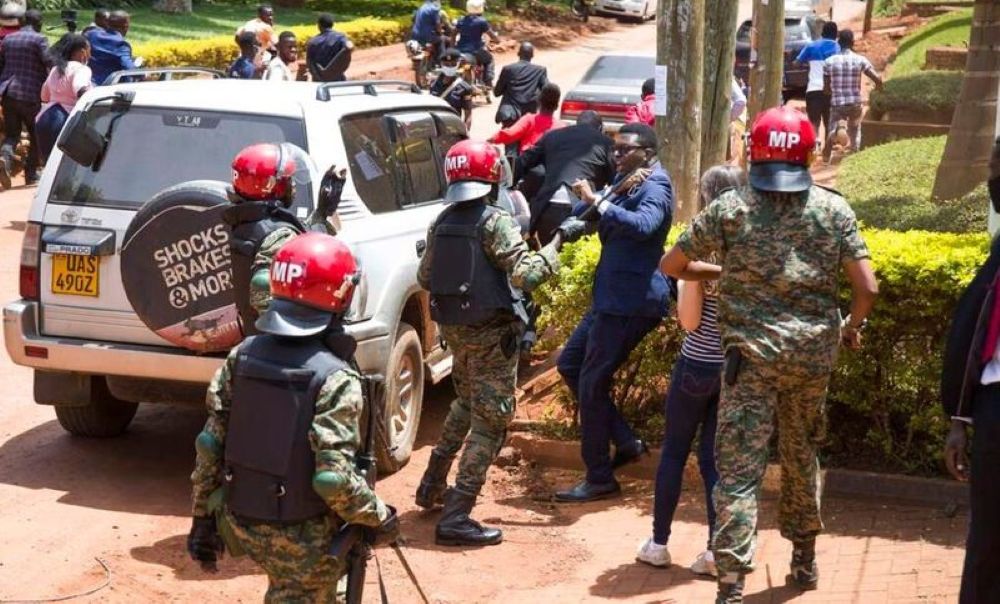
Civil liberties organizations, including the Uganda Law Society, have condemned violence targeting opposition supporters and journalists during election-related activities.
They accuse various security agencies, including the UPDF, of using excessive force such as beatings, tear gas and live bullets to suppress political participation.
The expanded role of the military in civilian affairs has also drawn legal criticism, particularly following the passage of a controversial law restoring military jurisdiction over civilians.
Critics argue that the move undermines civil liberties and judicial independence. In this climate, Otafiire’s blunt rejection of military brutality underscores growing unease over the direction of state security operations.
