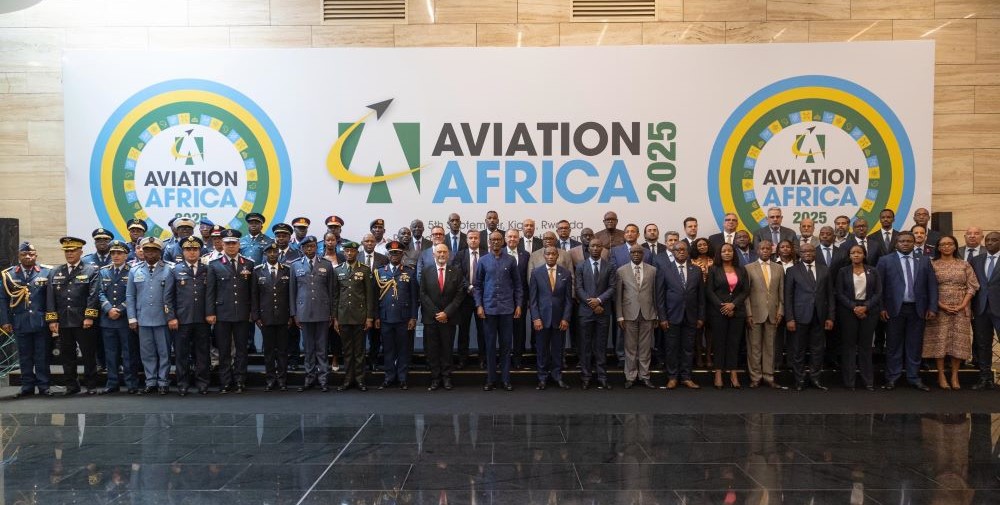
Kigali on Thursday turned into the hub of African aviation as more than 2,000 delegates gathered for the ninth edition of the Aviation Africa Summit and Exhibition.
The two-day event, which drew ministers, airline executives, regulators, and innovators, underscored Rwanda’s growing role as a leader in shaping the future of the continent’s air transport sector.
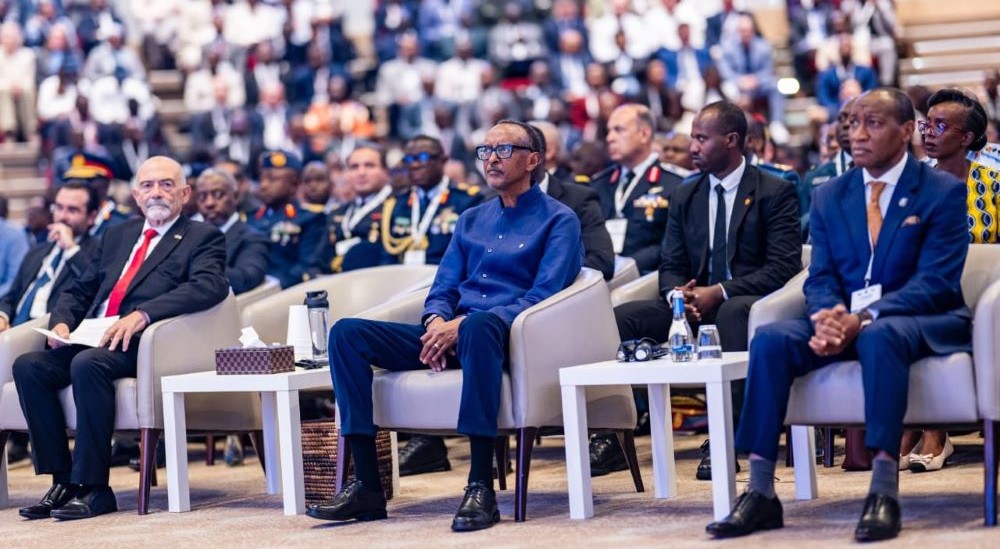
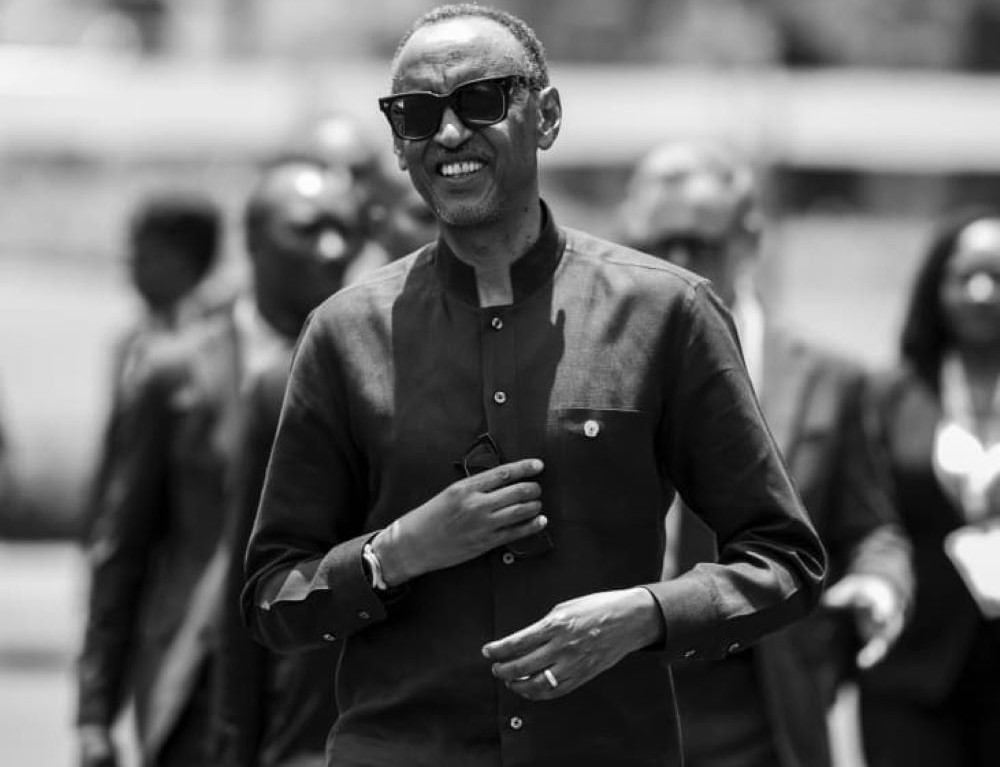
Opening the summit, President Paul Kagame delivered a keynote that set the tone for the gathering, blending optimism with urgency. He reminded the audience that Africa’s aviation sector has witnessed remarkable progress in a short period but emphasized that much more remains to be done to unlock its full potential.
“Since its inception, the Aviation Africa Summit has been pivotal in showing how much growth Africa’s aviation industry has experienced in a very short time. But with all the exhibitors and sponsors present, we also see how much more potential the aviation sector has to offer,” Kagame said.
Drawing on Rwanda’s own innovations, Kagame pointed to the country’s decade-long partnership with Zipline, a drone delivery company that has transformed the distribution of blood and medical supplies.
“This technology does not only save time, it also saves lives,” he said, adding that the collaboration is now expanding into urban deliveries and laying the foundation for emerging industries like e-commerce.
The summit also featured a historic demonstration of a self-flying air taxi, the first of its kind on the continent. Kagame described the moment as symbolic of Africa’s ability to leapfrog into the future when it embraces technology and collaboration.
Looking at the broader picture, Kagame argued that aviation is not a luxury for Africa but a necessity for its economic growth. “With a growing middle class and increasing tourism, the demand for air travel will only get stronger,” he noted.
Forecasts show that passenger traffic on the continent is expected to double in the coming years. To prepare for this future, Kagame stressed the importance of open skies and free movement.
He cited continental initiatives like the Single African Air Transport Market and the African Continental Free Trade Area as critical enablers of prosperity, provided they are fully implemented. Rwanda, he said, has taken bold steps by removing visa restrictions for all African citizens, urging others to do the same.
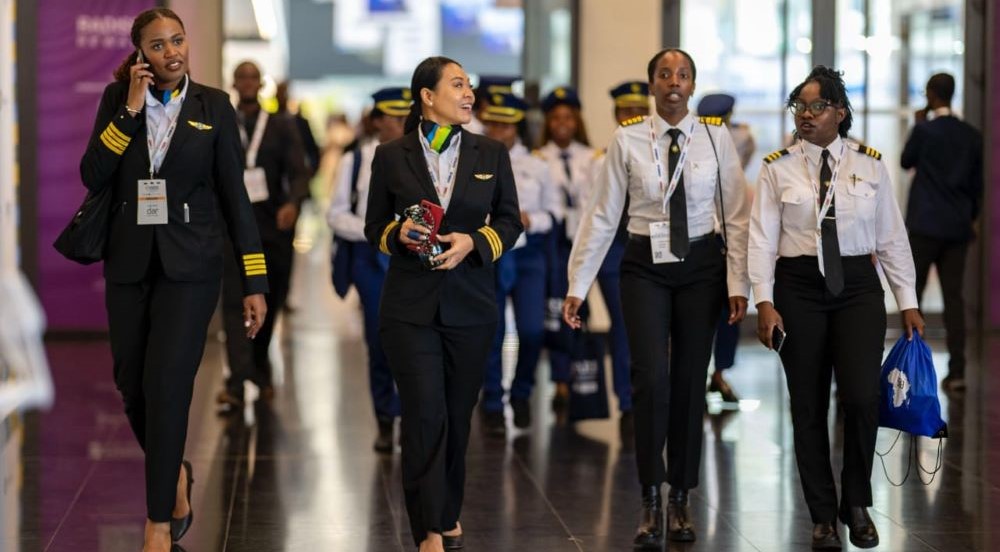
“Empowering women and girls to pursue careers in the aviation industry must also be our priority,” Kagame added, calling for inclusivity in the sector’s growth.
Despite the optimism, Kagame did not shy away from pointing out the obstacles. High operational costs, infrastructure gaps, and policy barriers continue to weigh down African airlines and limit connectivity.

“Travel should not only be for the rich,” he said firmly, stressing the need for cooperation among states, regulators, and institutions like the African Union.
“The bottom line is that we can achieve much more if we work together. We have all the resources and capabilities we need. I hope this summit will renew our momentum towards building the Africa that we all want and deserve to have,” he emphasized.
Alan Peaford, Conference Chairman of Aviation Africa, welcomed the participants to what he described as the summit’s “spiritual home” in Kigali. He highlighted the record turnout of nearly 2,000 registered delegates, including nine ministers, 20 air chiefs, and 30 Directors General of civil aviation.
“Africa’s aviation challenges are well known, from high fuel and tax costs to outdated infrastructure and regulatory hurdles. But many of these barriers are self-inflicted, and with the will to succeed, we can overcome them,” Peaford said.
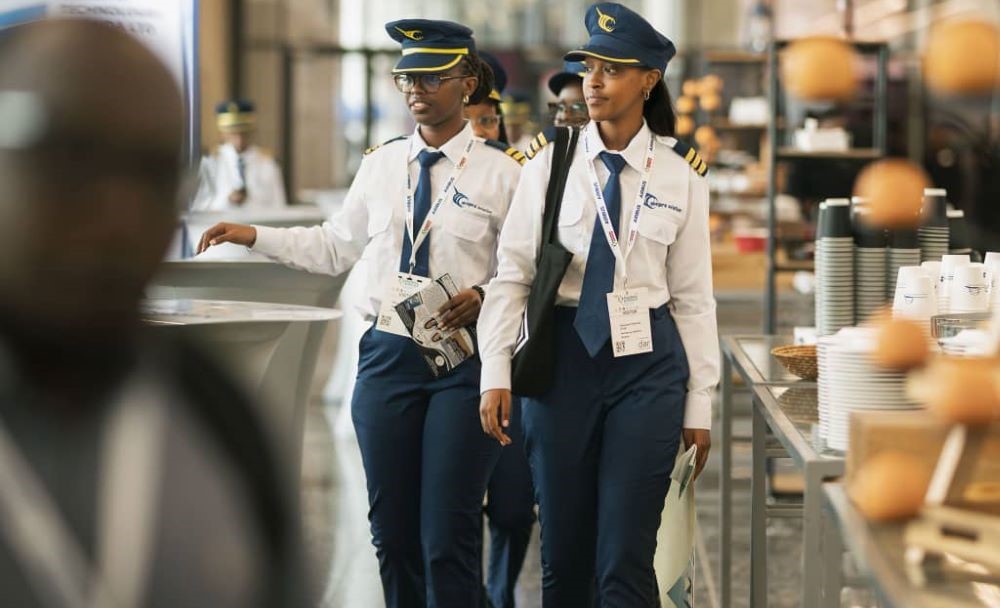
He praised Rwanda’s leadership in promoting regional aviation and urged the industry to engage young people. “Our industry has to attract the youth. We have to be more diverse and assure that there are appropriate training and opportunities for young people to find their place in our future,” he noted.
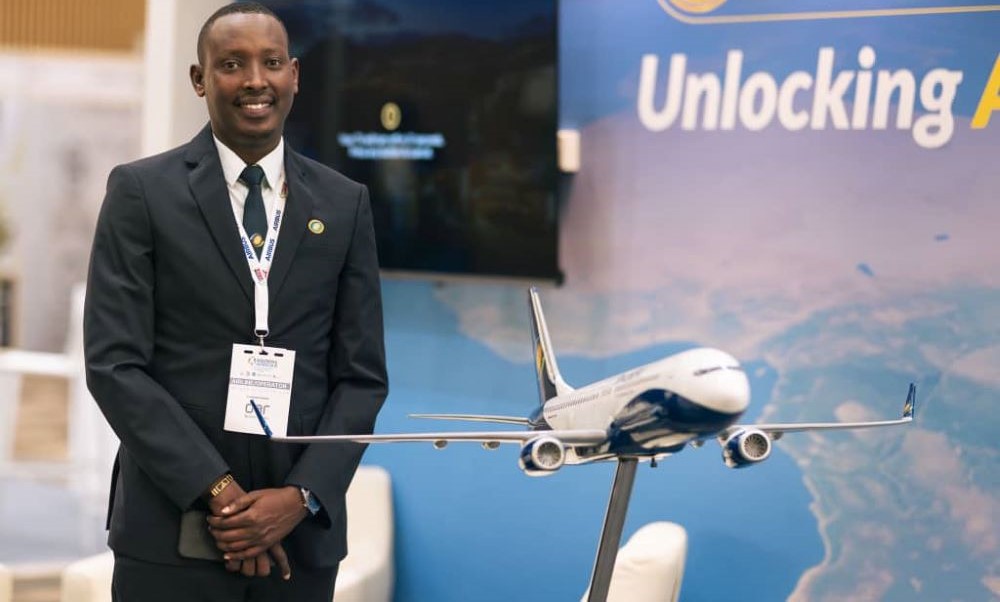
The summit’s theme, Collaborating to Unlock Africa’s Growth, was evident not only in speeches but also on the exhibition floor, where more than 120 exhibitors and representatives from over 90 airlines and operators displayed cutting-edge technologies and business models.
As the skies above Kigali witnessed new possibilities with Africa’s first autonomous air taxi demonstration, the future of African aviation lies in unity, innovation, and inclusive growth.