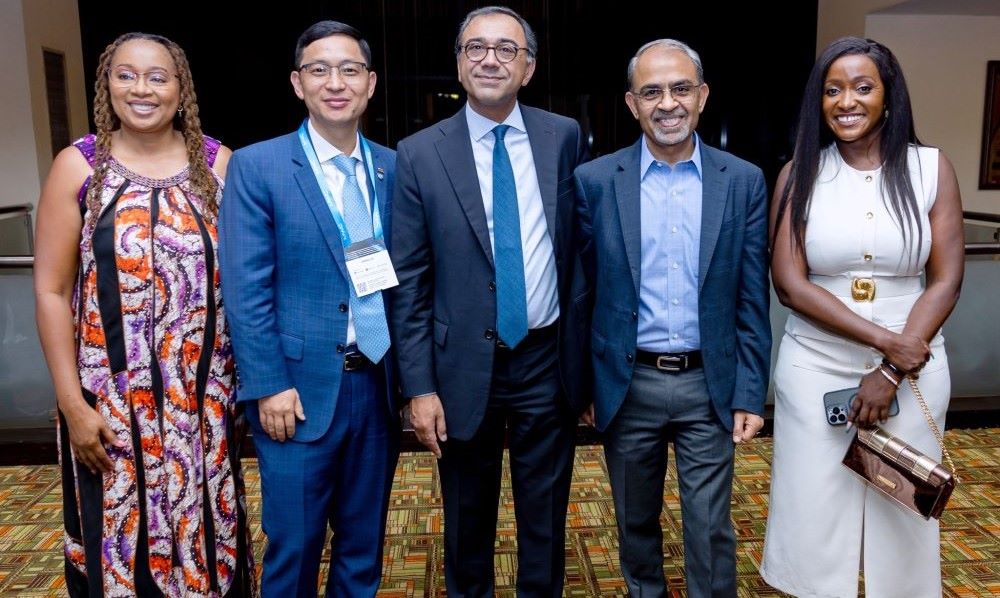
At the Mobile World Congress 2025 in Kigali, Prime Minister, Dr. Justin Nsengiyumva urged Africa to harness mobile innovation and artificial intelligence to drive inclusive growth and economic transformation.
He praised the transformative power of mobile technology in reshaping Africa’s economy, noting that mobile money has generated over $1 trillion in economic activity across the continent in the past decade.
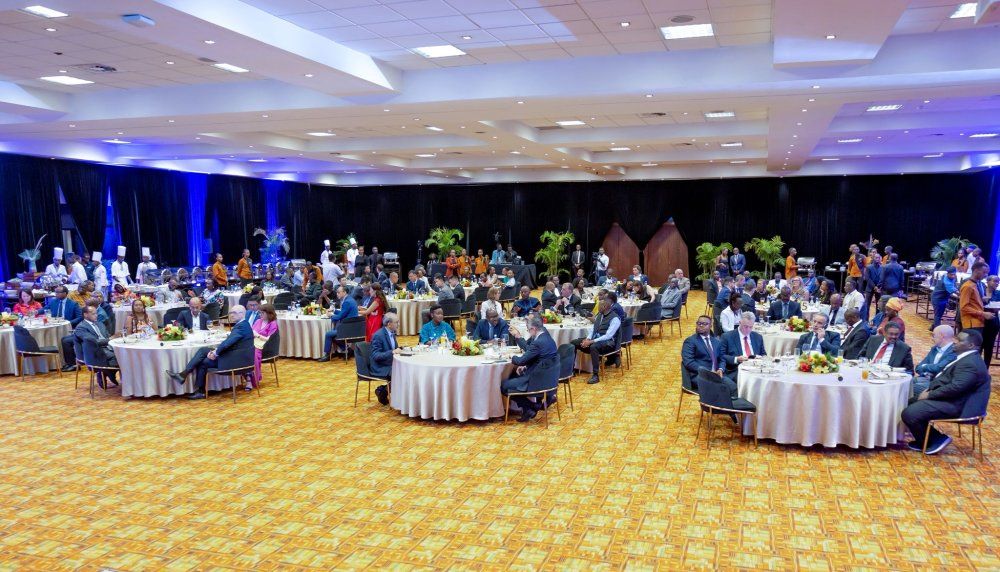
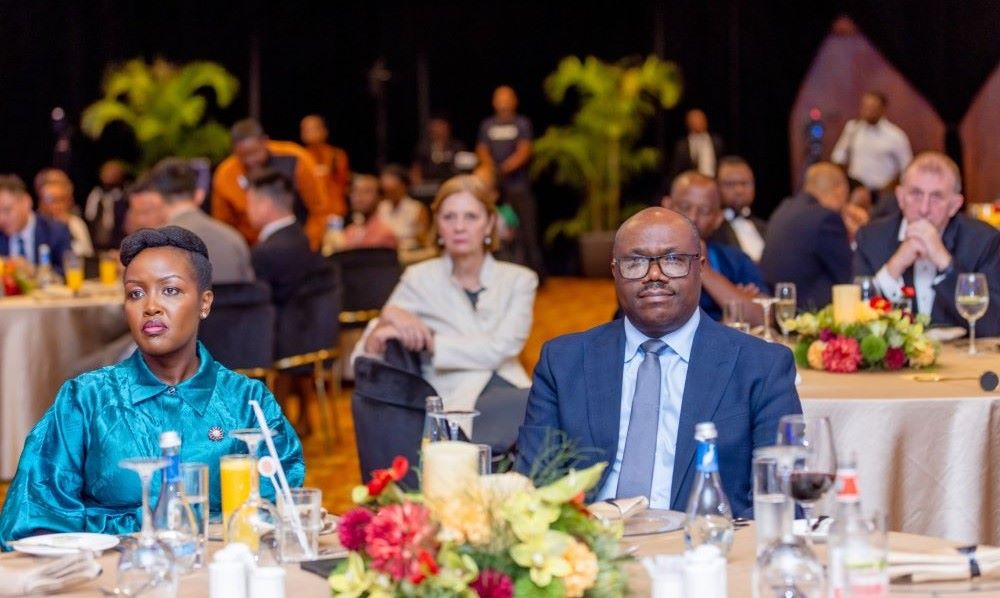
Speaking on October 20, 2025, at a dinner reception welcoming delegates to the Mobile World Congress (MWC) 2025, Nsengiyumva emphasized that the rise of mobile technology has gone far beyond connecting people, it has created new pathways for innovation, financial inclusion, and sustainable development.
The Mobile World Congress, organized by the Global System for Mobile Communications Association (GSMA), brings together government leaders, global investors, and technology experts to explore Africa’s digital evolution.
The three-day event, held at the Kigali Convention Centre from October 21 to 23, marks one of Africa’s most influential gatherings in digital and mobile innovation.
“It is an honor for Rwanda to host MWC 2025. Our partnership with GSMA and other mobile industry actors continues to show what can be achieved when governments and the private sector work toward a shared vision,” Nsengiyumva said.
He reflected on Africa’s remarkable digital progress, describing the continent’s mobile story as one of partnership and persistence.
“In just a decade, Africa’s journey has evolved from connectivity to creativity. We have connected more than half a billion Africans, built a $1 trillion mobile money economy, and turned mobile connectivity into a driver of growth, innovation, and inclusion,” he noted.
Nsengiyumva highlighted that digital technologies have redefined access to essential services and unlocked new opportunities for millions of Africans. He urged continued collaboration between policymakers, innovators, and industry leaders to ensure affordable and inclusive connectivity.
“As we advance together, we can close Africa’s digital gaps, ensuring that no one is left behind. Emerging technologies such as artificial intelligence must be tools to uplift our people, not exclude them,” he said.
A digital revolution transforming Africa
The Prime Minister’s remarks echoed the broader theme of this year’s congress: “Reimagining Africa’s Digital Future.” With Africa home to one of the fastest-growing mobile markets in the world, the continent’s digital transformation continues to accelerate.
According to GSMA Director General Vivek Badrinath, Africa’s mobile industry now serves over 710 million users, a number expected to reach 910 million by 2030.
He described this progress as “an African phenomenon,” pointing to the rise of mobile money, which today counts more than 1 billion registered accounts and facilitates over $1 trillion in annual transactions across Sub-Saharan Africa.
Badrinath lauded Rwanda as a model of digital leadership and innovation. “Here in Rwanda, we see what’s possible when there is sustained investment in technology and innovation,” he said.
He highlighted Rwanda’s initiatives such as the AI Scaling Hubs project, supported by the Bill & Melinda Gates Foundation with $17.5 million, promoting artificial intelligence in education, healthcare, and agriculture.
In Rwanda, mobile penetration now stands at 99%, linking more than 13 million subscribers, while 85% of households own at least one mobile device. Data from the National Bank of Rwanda (BNR) shows that the value of mobile money transactions grew by 43% in 2023/2024, reaching Rwf 2.25 trillion.
The number of mobile payment transactions surged by 75%, from 240.5 million to 419.7 million, while merchant payments and peer-to-peer transfers increased by 52%, totaling Rwf 15.9 trillion.
Mobile-based banking transactions also rose sharply, by 81%, from Rwf 3.68 trillion to Rwf 6.65 trillion, signaling Rwanda’s rapid shift toward a cashless digital economy.
Charting the path forward
As the conference gathers the continent’s digital innovators, the message from Kigali is that Africa’s digital story is still being written. Nsengiyumva called on African nations to move from being “simply connected” to becoming “truly empowered” through technology that drives opportunity and equitable growth.
“May this week be filled with groundbreaking ideas, bold partnerships, and real commitments that move Africa from being merely connected to being truly digitally empowered,” he said.
From mobile money to artificial intelligence, Africa’s digital leap is transforming how people work, trade, and communicate. And as Rwanda hosts MWC 2025, it continues to position itself and the continent, at the heart of the world’s next digital revolution.