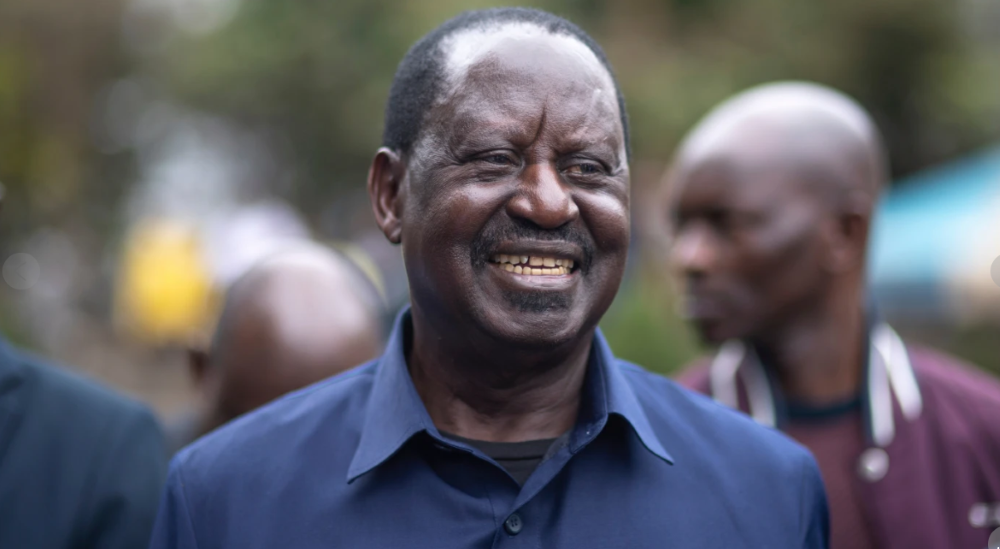
When news of Raila Amolo Odinga’s passing spread early on October 15, 2025 like wild fire, the reaction was swift and global. Today, the contours of his farewell are being shaped with solemn precision as Kenya prepares to lay to rest one of its most influential political figures.
What began as breaking news has given way to a national and continental tribute, orchestrated around Odinga’s own final wishes and the weight of his legacy.
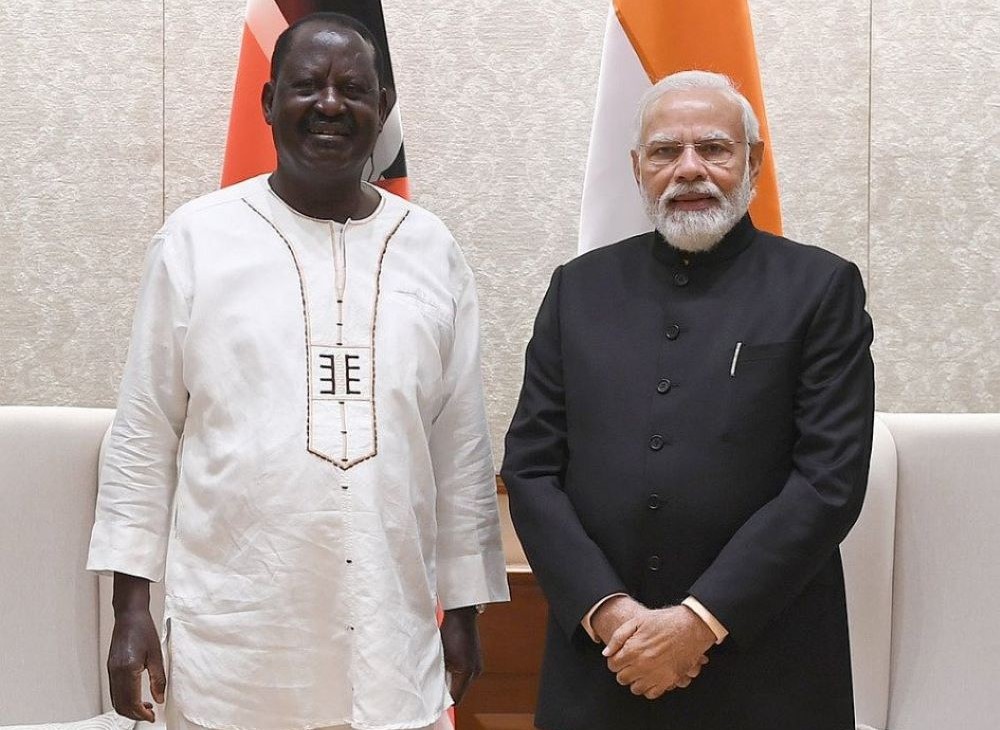
From New Delhi to Nairobi, leaders poured in messages of solidarity. India’s Prime Minister Narendra Modi eulogized Odinga as “a towering statesman and a cherished friend of India,” noting the late leader’s admiration for Indian tradition, Ayurveda, and its influence on his own daughter’s health.
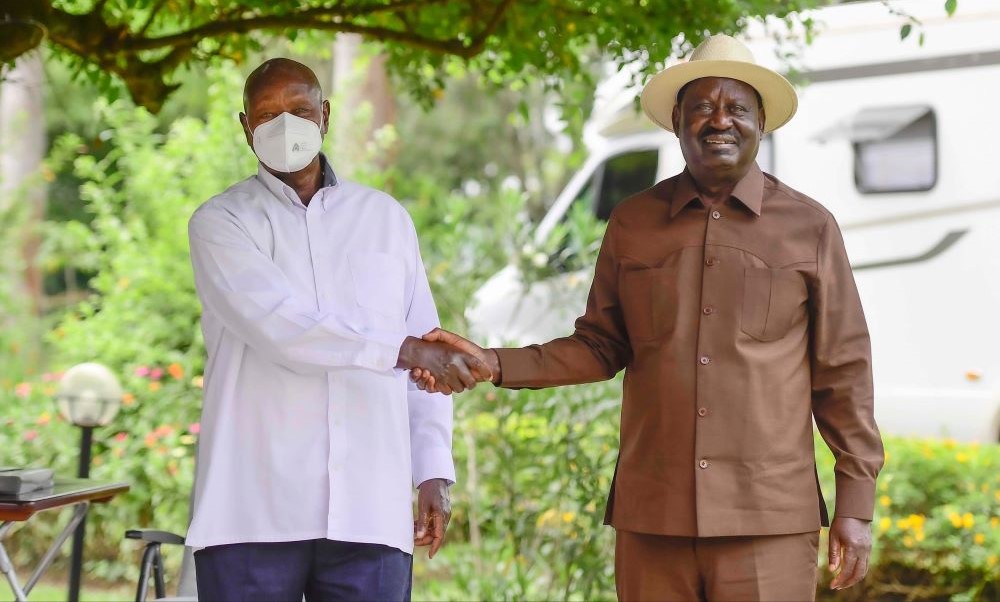
Closer to home, Uganda’s President Yoweri Museveni issued a deeply personal statement: “Rt. Hon Odinga has not been just a career politician. He has been a freedom fighter. His sentiments have been for the unity of Kenya, East Africa and Africa,” he said, mourning a man whose ideals resonated well beyond his homeland.
A swift and dignified state sendoff
Odinga’s final journey adheres to his own stipulated desire for burial to be held within 72 hours of death. The government has committed to a tight timetable. His body is expected to arrive in Nairobi via Kenya Airways around 8:30 a.m. on Thursday, escorted by a delegation headed by Cabinet Secretary Musalia Mudavadi.
President William Ruto and the Odinga family will receive the remains at Jomo Kenyatta International Airport before the cortege moves to Lee funeral home. Parliament will host a period of public viewing between 12 p.m. and 6 p.m. that same day.
On Friday, the Anglican Church of Kenya will preside over a national service at Nyayo Stadium with full state honors. International dignitaries and regional heads are expected to attend.
The body will then be moved back overnight to Lee funeral home ahead of Saturday’s activities. Saturday morning will see the remains flown to Kisumu, where a public viewing at Moi Stadium runs from 9 a.m. to 3 p.m.
That evening, Odinga’s body will be escorted to his home in Bondo for a quiet vigil. Final interment takes place Sunday, October 19, combining state protocol with the Anglican Church of Kenya’s customary rites, in accordance with services Odinga faithfully attended.
A government spokesperson, Prof. Kithure Kindiki, affirmed: “We have decided to move with speed in accordance with the family’s wishes and the late Prime Minister’s desire,” describing the program as worthy of the “stature of the Right Hon. Raila Odinga.”
Family mourns a patriarch, public reflects on a legacy
In an emotional address, Dr. Oginga Odinga, one of Raila’s children, recounted how the loss struck the family. He pleaded for calm.
“We are mourning, but also celebrating the life of our leader. … Only this morning he suffered shock, a suspected heart attack. I pray that our people behave in a dignified manner so that we accord our brother a dignified send-off,” he said.
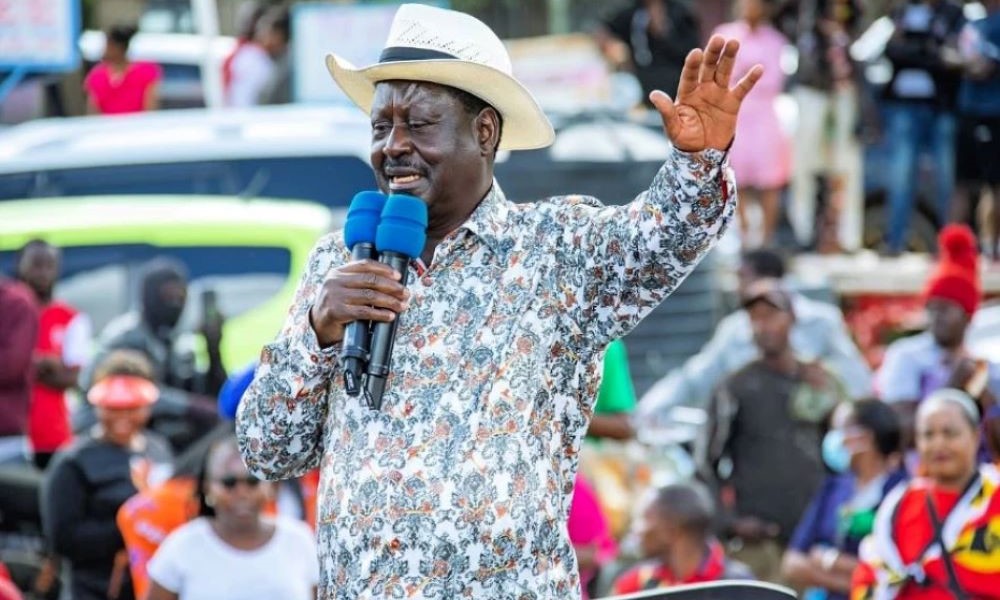
The Odinga family’s call underscores the fine balance between national mourning and personal grief. For many Kenyans, Raila Odinga was more than a political figure.
He was “Baba,” the father of modern opposition in Kenya, the man who endured imprisonment, exile, political defeats, and personal suffering, all while maintaining faith in democratic processes.
A loss felt across Africa and the world
Tributes have poured in not only from Kenya and its neighbors but from the broader Pan-African community. His passing is viewed not as a Kenyan moment alone, but as a turning point in Africa’s democratic journey.
Observers note that he played a pivotal role in pushing Kenya toward multipartyism in the 1990s and championed constitutional reform in 2010, rare milestones in East Africa’s political evolution.
Even in death, Odinga remains a “steadfast champion of democracy, good governance, and people-centered development. For many on the continent, his life’s work symbolized the struggle for accountable leadership, civic participation, and continental unity.
As Kenya and the world mourns the question that still lingers is how future generations will steward the ideals Odinga lived by such as equal rights, accountability, and courage in the face of power.
The funeral is not only a moment to honor his memory but to reckon with the responsibilities he bequeathed. His final journey begins with a procession, but his real journey lies in how his ideas and voice will continue to shape Kenya’s and Africa’s tomorrow.
