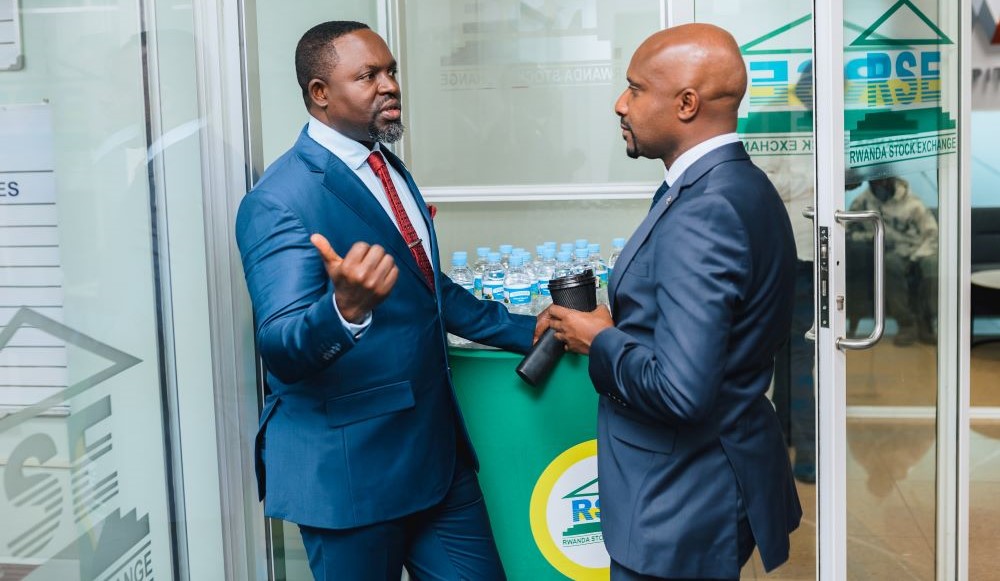
As Rwanda’s economy continues to expand at one of the fastest rates on the continent, the nation’s capital market is emerging as a key driver of that growth. Through reforms, innovation, and investor-friendly regulation, the Capital Market Authority (CMA) is positioning Rwanda as a competitive financial hub in East Africa.
In an insightful conversation hosted on X Space, celebrated broadcaster Jackie Lumbasi caught up with Mr. Thapelo Tsheole, Chief Executive Officer of the CMA in a wide-ranging discussion on the sector’s growth, the opportunities for investors, and how ordinary citizens can participate in building a stronger financial future.
Tsheole, a seasoned economist and former CEO of the Botswana Stock Exchange, has been at the helm of CMA Rwanda since 2023. His leadership has coincided with a period of accelerated market activity, new listings, and growing investor participation.
Below are excerpts from the conversation.
Question: To start with, tell us a bit about yourself and how you found your way to Rwanda’s Capital Market Authority.
Answer: I joined CMA in May last year and have now spent over a year in Kigali, a city I’ve grown to love for its warmth and hospitality. I’m originally from Botswana, where I previously served as CEO of the Botswana Stock Exchange for eight years and worked at the Central Bank before that.
My professional journey has always revolved around financial markets, and joining Rwanda’s CMA felt like a natural next step in contributing to Africa’s economic transformation.
Question: Outside your professional duties, how have you found life in Rwanda? Any favorite places?
Answer: I’ve enjoyed discovering Rwanda beyond the boardrooms. I’ve visited Musanze, Gisenyi by Lake Kivu, and the beautiful stretches around Lake Muhazi. Within Kigali itself, I’ve explored quite a bit, it’s a city that never stops inspiring with its cleanliness, order, and energy.
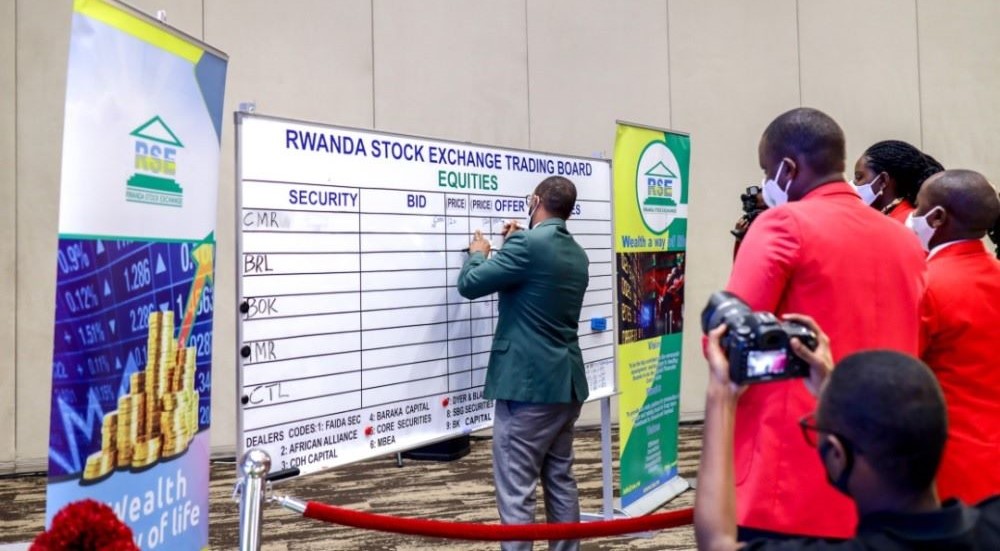
Question: Many people hear the term “capital markets” but might not know what it really means. How would you explain it to someone unfamiliar with finance?
Answer: Simply put, capital markets connect people or institutions that have money with companies that need it to grow. Businesses raise funds by issuing shares or bonds, essentially asking investors to support their growth in exchange for future returns.
When you invest in shares, you become part-owner of a company. If it does well, you earn dividends. If you buy bonds, you lend money to the company and receive fixed interest.
The CMA supervises all these activities, ensuring companies, brokers, and fund managers are properly licensed and transparent. It’s about protecting investors while enabling businesses to expand sustainably.
Question: Can someone invest directly, or do they always need a broker? And how is the market performing?
Answer: Investors must go through licensed brokers, who serve as intermediaries in buying or selling securities. The market has grown significantly in the past year.
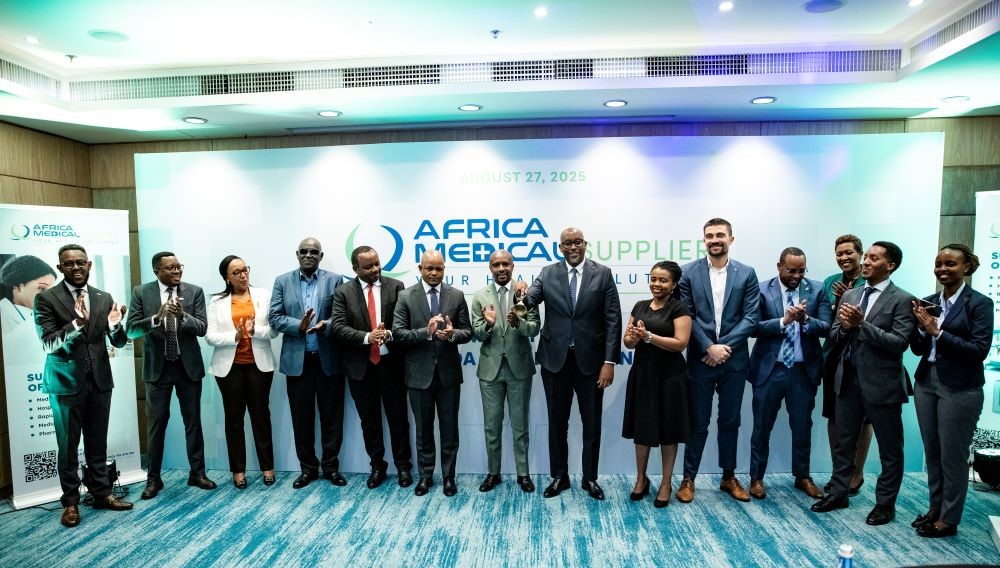
We’ve seen new companies such as Energicotel, Africa Medical Supplies, and Mahwi Grain Millers come to raise capital. Trading volumes have also expanded, with over Rwf 2.5 billion traded since the start of the year, almost double previous levels.
Unit trusts have surged too, now managing nearly Rwf 70 billion in assets compared to Rwf 35 billion last year, with over 20,000 new investors joining. This demonstrates growing public trust and engagement in Rwanda’s financial ecosystem.
Question: You’ve mentioned terms like equities, bonds, and unit trusts. Could you break these down for an average investor?
Answer: Of course. Equities or shares give you ownership in a company, your returns depend on how well that company performs. You benefit from dividends and the rise in share prices, but you also share in any losses.
Bonds are fixed-income instruments, essentially loans to companies or government entities that pay you regular interest until maturity. They’re generally safer and more predictable.
Then there are unit trusts, where professional fund managers pool investors’ money to invest on their behalf. It’s a great option for beginners or busy professionals who want returns without managing daily market decisions.
The key is always to work with licensed brokers or fund managers and avoid anyone promising unrealistic profits, those are clear red flags.

Question: What happens when a company keeps making losses? How do investors protect themselves?
Answer: That’s part of investment reality, there are risks. If a company records losses for several years, investors can choose to sell their shares, often at a lower price, or wait and hope for recovery. But if the company fails completely and is liquidated, investors may lose their entire investment.
This is why diversification is important, spread your money across different companies or instruments to reduce risk. And always remember, when a company performs well, investors quietly enjoy their dividends, but when it performs poorly, the complaints are louder. That’s the nature of markets.
Question: Many people think investing is for the wealthy. What can someone with just Rwf 20,000 or 50,000 do?
Answer: It’s a common misconception that capital markets are only for the rich. Even small investors can start. My advice is to visit a licensed broker or a unit trust manager. Discuss your goals and risk tolerance, they’ll guide you on where to begin.
Most importantly, invest only through regulated channels and avoid get-rich-quick schemes. Real investment takes time and patience. If money doubled overnight, we’d all be billionaires.
Question: You’ve said Rwanda’s capital market is performing well. What’s driving this momentum?
Answer: Several factors. First, Rwanda’s economy continues to grow at over six percent annually, one of the fastest in Africa. That growth attracts investors. Second, the business environment is stable and forward-looking.
We’ve also intensified outreach, our CMA teams engage communities, businesses, and investors nationwide. We’re working hand-in-hand with the Ministry of Finance, the Central Bank, the stock exchange, and fund managers to build a coordinated, vibrant ecosystem. That collaboration is a big part of our success.
Question: 2025 has had global challenges. How has Rwanda’s economy and capital market held up?
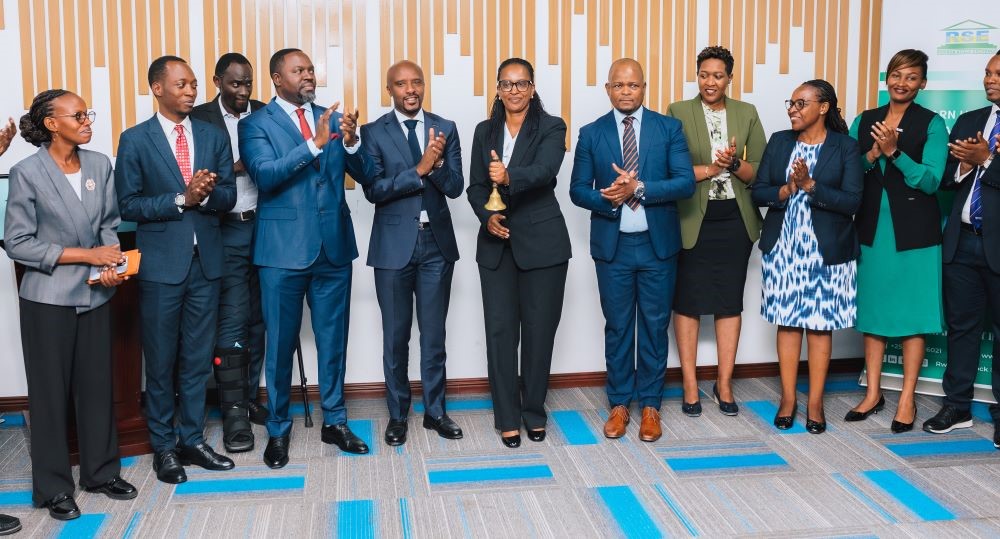
Answer: Remarkably well. Despite international uncertainties, Rwanda’s fundamentals remain strong. Investor confidence is intact, and our financial sector continues to grow.
The Rwanda Stock Exchange has performed better this year than in previous years, showing resilience and stability. That’s a reflection of sound policies, strong regulation, and confidence in the country’s future.
Question: Finally, what support does the CMA need from the public and other stakeholders?
Answer: We need continued trust and collaboration. Everyone, from government to the private sector to individual investors, must recognize that capital markets are essential to sustainable economic growth.
For Rwanda to move toward high-income status, companies need long-term equity capital, not just bank loans. Capital markets provide that. Supporting them means supporting national development.