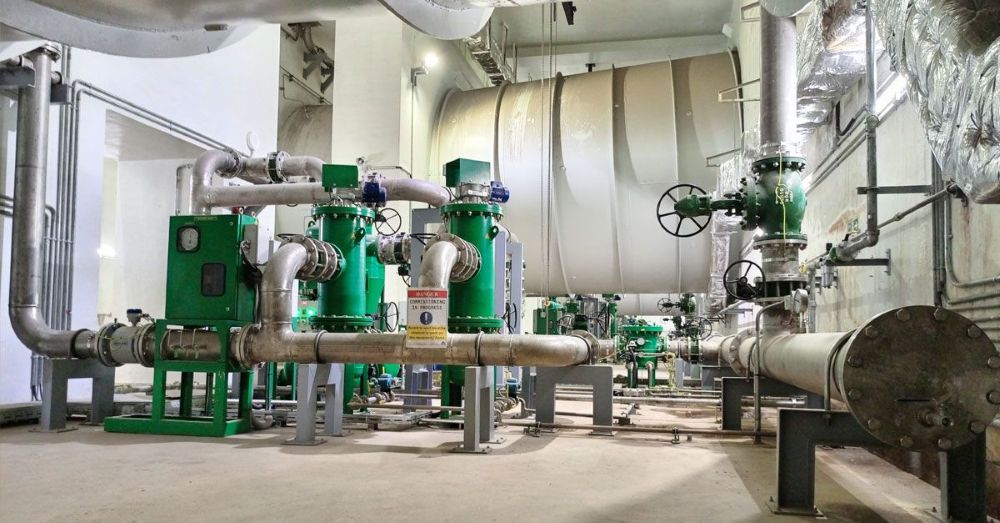
Kigali, Rwanda – Rwanda is aiming to more than double its electricity generation capacity to 1,066 megawatts (MW) by 2034. The plan, led by the Rwanda Energy Group (REG), forms the core of the country’s 10-year strategic plan (2024–2034).
It entails the government’s strategy to boosting economic growth, expanding electricity access, and ensuring reliable power supply across all communities.
Over the past five years, Rwanda has made significant strides in electricity access. Household connectivity has risen from 64.53% to 85.4%, with 60.1% connected to the national grid and another 25.3% relying on solar energy.
This growth illustrates the impact of strategic investments in generation capacity and innovative energy solutions to reach underserved areas.
Installed electricity generation capacity has also seen remarkable progress, increasing from 238.36 MW in 2020/21 to 467.14 MW today.
However, achieving the 1,066 MW target will require continued expansion of diverse energy sources and substantial investment in infrastructure.

Hydropower as the backbone
Hydropower remains the cornerstone of Rwanda’s energy expansion with several hydropower projects underway at different stages of construction and planning. The Nyabarongo II Hydropower Plant, expected to produce 43.5 MW, is 57% complete.
Smaller projects, such as the Rukarara VI Plant (9.7 MW) and Nyirahundwe Plant (0.91 MW), are advancing steadily. REG is also participating in the Rusizi III Hydropower Project, a 206 MW regional initiative with Burundi and the DRC.
While construction has begun, progress has faced delays due to political and coordination challenges among partner states.
Feasibility studies are underway for additional projects, including the expansion of the Ntaruka Hydropower Plant, expected to add further capacity once completed.

Solar energy and emerging technologies
Solar power is gaining prominence in Rwanda’s energy mix. Key planned projects include the 30 MW Mpanga Solar PV Plant in Kirehe District, the 200 MW Nyabarongo II Solar PV Project, and the 4.13 MW Izuba CB Energy Rwanda Plant.
The Mpanga project is already at the tendering stage, covering design, supply, installation, and integration into the national grid.
Two financing approaches will support solar projects: pre-financing arrangements with potential lenders and Power Purchase Agreements (PPAs), where developers demonstrate both technical and financial capacity to operate the plants successfully.
Moving forward, Rwanda is also exploring nuclear energy with plans in motion to establish reactors with a combined capacity of 110 MW over the next decade, starting in 2025.
This initiative aims to diversify energy sources and provide stable, high-output power to complement hydropower and solar generation.

Financing the expansion
Implementing the 10-year energy plan is estimated to cost around $3.2 billion, with funds expected from a combination of concessional loans, climate finance instruments, green bonds, and carbon credit mechanisms.
Alongside generation, Rwanda is upgrading its electricity infrastructure, expanding distribution lines from 944 km to 1,158 km, building 37 new substations, and rehabilitating networks in Kigali City, currently 67% complete.
These upgrades aim to reduce outages, replace low-capacity equipment, and support a growing customer base.
As Rwanda pursues universal electricity access by 2029, hydropower, solar, and nuclear energy will play complementary roles in creating a resilient, sustainable, and inclusive energy system.
The strategic expansion of electricity infrastructure and generation capacity positions the nation to meet future demand, support economic growth, and improve the quality of life for all Rwandans.
