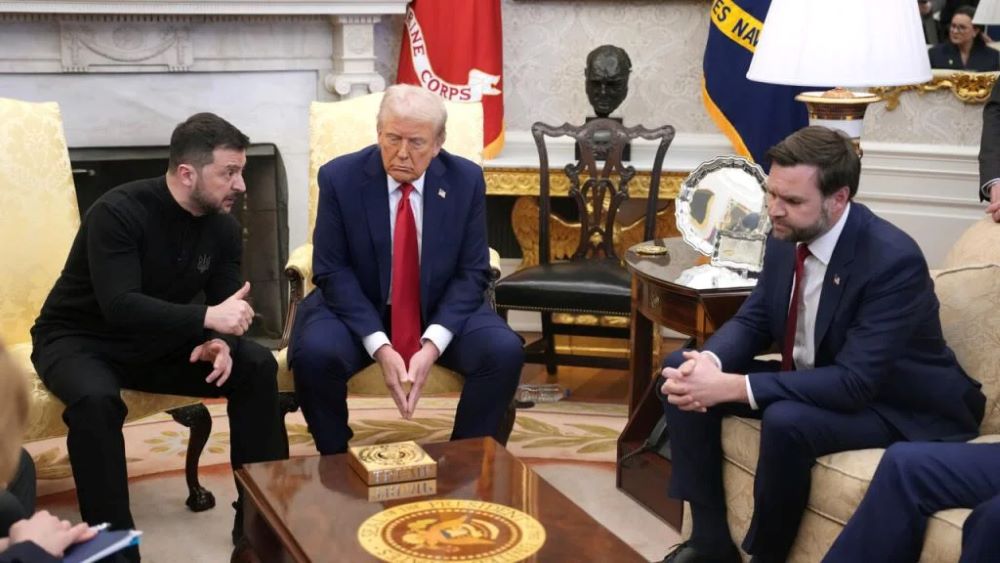
The push for peace in Ukraine has entered a critical new phase as the White House prepares to host a high-stakes summit with President Volodymyr Zelensky and key European leaders.
The gathering follows last week’s meeting in Alaska between U.S. President Donald Trump and Russian President Vladimir Putin, where American officials said progress was made toward a framework for ending the war, though no ceasefire was agreed.
Trump’s envoy, Steve Witkoff, one of three Americans at the closed-door Alaska talks, described the discussions as “game-changing,” claiming Moscow agreed to a set of robust security guarantees for Ukraine.
According to Witkoff, the framework includes a pledge of collective defense for Ukraine, similar to NATO’s Article 5, under which an attack on one is treated as an attack on all. Russia, he said, also promised legislative measures committing not to invade Ukraine or any other European state as part of a future peace accord.
“This was the first time we had ever heard the Russians agree to such a provision,” Witkoff said, emphasizing that these commitments marked significant movement from previous rounds of stalled diplomacy.
He noted that progress at the table had convinced Trump to step back from his earlier insistence on an immediate ceasefire, shifting instead toward negotiating a comprehensive settlement.
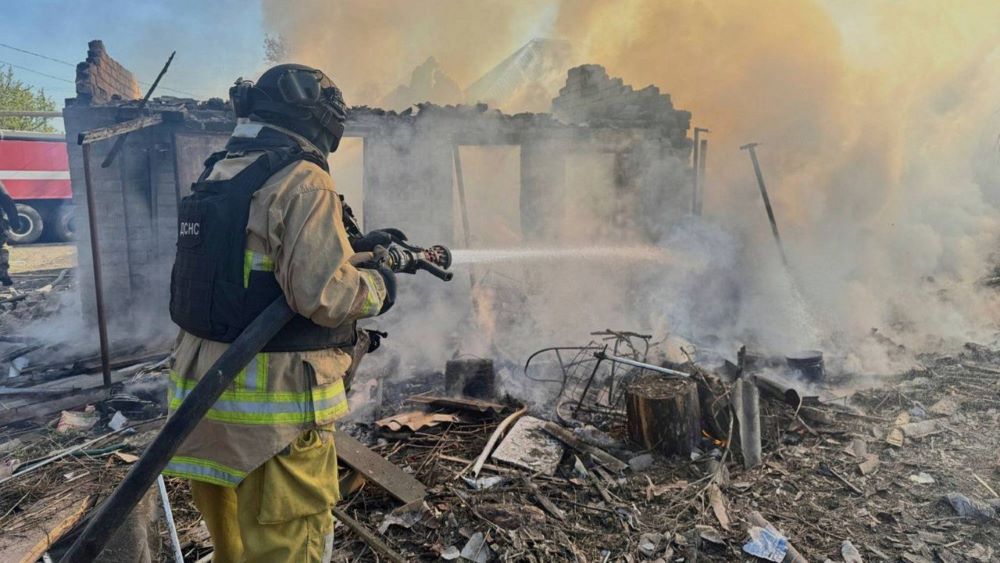
But even with the optimism from Trump’s envoy, questions remain about the durability of Putin’s promises, given Moscow’s record of breaching past agreements. Secretary of State Marco Rubio, who also attended the summit, struck a more cautious note.
“We’re not at the precipice of a peace agreement, we’re not at the edge of one, but I do think progress was made,” Rubio said. He warned that any final deal would almost certainly leave both sides dissatisfied, since Russia and Ukraine remain far apart on critical issues.
The most contentious demands are those that Trump himself highlighted on social media over the weekend. Writing on Truth Social, he argued that Zelensky “can end the war with Russia almost immediately” if Ukraine concedes Crimea, annexed by Moscow in 2014, and renounces its NATO ambitions.
The remarks reflect the pressure Zelensky will face when he arrives in Washington. Alongside him will be a delegation of European leaders, including the presidents and prime ministers of France, Germany, the United Kingdom, Italy, and Finland, as well as NATO Secretary-General Mark Rutte and senior EU officials.
Trump called the gathering “a big day at the White House,” noting it was rare for so many European leaders to convene in Washington at once.
European capitals, however, appear determined not to let Ukraine’s sovereignty be traded away too easily.
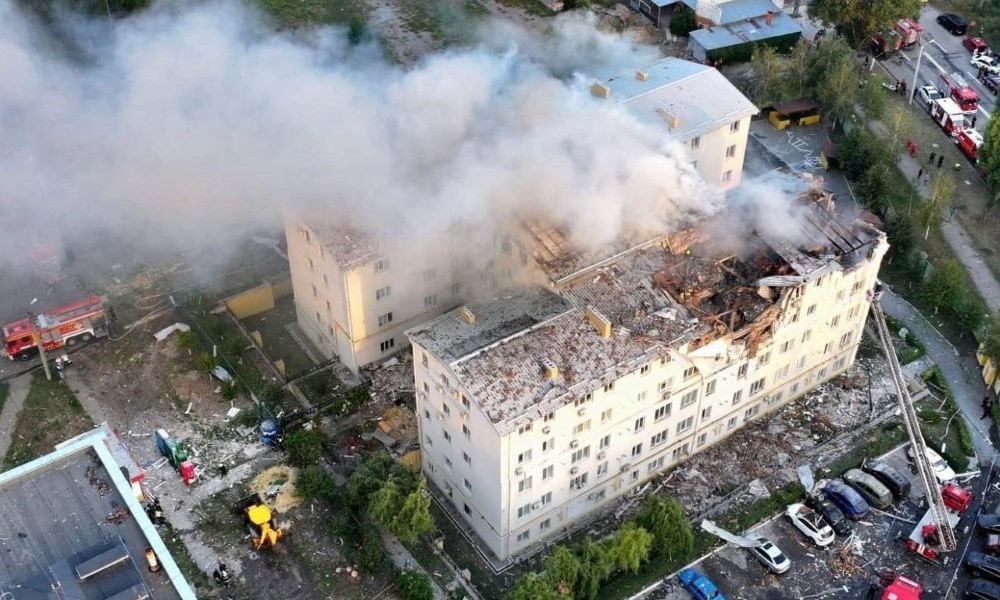
In a joint virtual meeting ahead of the summit, leaders of the so-called Coalition of the Willing, joined by Zelensky and U.S. Vice President J.D. Vance, stressed that “the path to peace in Ukraine cannot be decided without Ukraine.”
Their joint statement set out four guiding principles including peace talks that must follow at least a halt in hostilities, sanctions to be tightened if Russia resists, international borders not be altered by force and Ukraine to receive credible long-term security guarantees.
How those principles can be squared with Trump’s view, that Zelensky should accept permanent concessions on NATO and Crimea, remains uncertain.
Witkoff hinted that Putin had softened his territorial demands slightly, suggesting Russia might now settle for holding the front lines in parts of Donbas rather than insisting on all five regions it previously sought.
Trump has repeatedly said he will not commit American troops on the ground in Ukraine, insisting that European nations must take the lead on any security arrangement.
For Zelensky, who continues to rely heavily on U.S. military and financial support, the summit may prove decisive in shaping whether Ukraine can secure enough guarantees to withstand pressure for concessions.
Whether momentum translates into a real path toward peace, or collapses under the weight of irreconcilable demands, will depend on how much Ukraine is asked to give up, and whether its allies stand firm behind it.