
The Democratic Republic of Congo (DRC) is once again at a delicate crossroad in its prolonged conflict with the M23 rebel movement, as efforts by Qatar to broker a lasting peace face significant hurdles.
A draft agreement prepared by Doha has been met with criticism from both Kinshasa and the rebels, even as mediators insist the peace process remains alive.
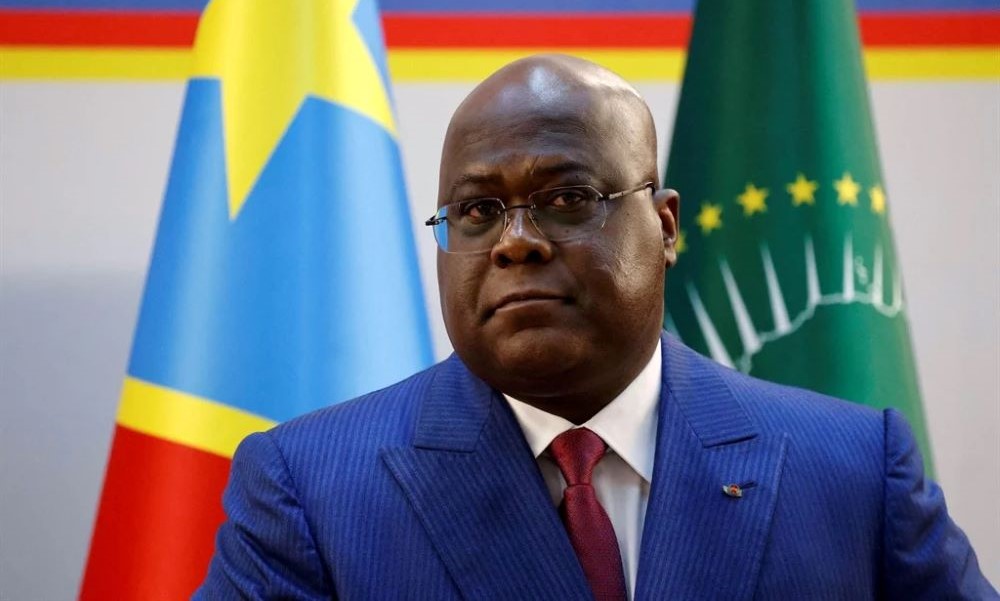
On August 19, Belgium’s Foreign Minister Maxime Prévot disclosed after meeting President Félix Tshisekedi in Kinshasa that the Congolese leader was dissatisfied with the draft deal.
“President Tshisekedi confirmed to me that the document prepared is insufficient. This is an important point to take into account. I trust that adjustments will be made so that tangible progress can be achieved as soon as possible,” Prévot said.
The proposal, shared with both sides on August 14, outlined a three-phase roadmap that included the release of prisoners and the creation of a joint special force to operate temporarily in the conflict-ravaged provinces of North and South Kivu.
It also suggested transitional arrangements in which the Congolese government would appoint administrators, while M23 would be allowed to nominate some of the candidates.
This provision has proven contentious, with Kinshasa rejecting it outright and M23 voicing its own dissatisfaction, insisting it has the capacity to govern the territories it currently holds.
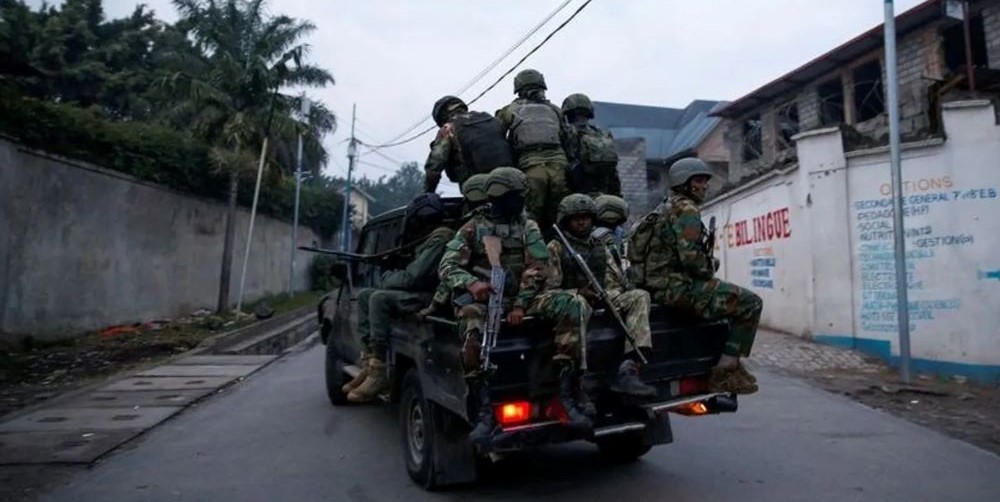
M23’s rapid advances since early 2025 have destabilized much of eastern Congo, with the group seizing Goma, Bukavu, and numerous towns and villages across the Kivu provinces.
The rebels have entrenched themselves by installing loyalists in administrative posts, drawing sharp condemnation from Kinshasa and international observers.
The violence has displaced more than seven million people, prompting the United Nations to describe the situation as one of the most severe humanitarian crises in the world.
Qatar, which is mediating the process alongside the United States, stressed that despite missed deadlines, the dialogue is still on track. Qatari Foreign Ministry spokesperson Majed al-Ansari told journalists, “Both parties are engaging very positively. We are engaging with them also… and we are committed to the process.”
The current draft builds on principles both sides signed in July under what became known as the Doha Declaration, which called for a permanent ceasefire. However, violations have continued, with fresh clashes reported in recent weeks. Both sides accuse each other of breaking the truce.
Qatar confirmed that another round of negotiations is expected in Doha in the coming days. The aim will be to review the disputed clauses and attempt to secure commitments that could pave the way toward restoring state authority in rebel-held areas.
Yet, the gulf between Kinshasa’s insistence on full state control and M23’s demands for continued influence remains wide. The complexity of the conflict is heightened by the involvement of regional actors, with Rwanda repeatedly accused of backing M23, a claim Kigali denies.
In June, DRC and Rwanda signed a separate peace agreement in Washington, but M23 rejected it, arguing it did not address core issues between the rebels and the Congolese government.
With mediation deadlines already slipping and fresh fighting threatening to unravel fragile ceasefires, the stakes are rising for both the Congolese population and regional stability.
For now, Qatar maintains hope that dialogue will prevail, but whether the warring sides can bridge their profound differences remains uncertain.
