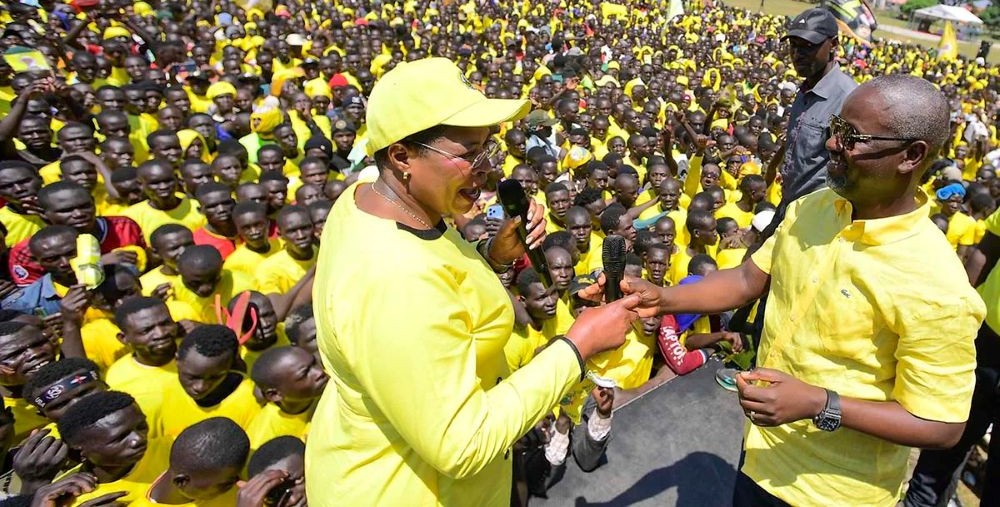
Campaigning for Members of Parliament and other lower elective positions in Uganda has officially begun for the general elections scheduled for January 15, 2026, marking a critical phase in the nation’s political calendar.
According to the country’s Electoral Commission (EC), a total of 2,025 candidates have been nominated to contest the 353 directly-elected parliamentary constituencies, while 640 others will vie for the 146 District and City Woman Representative seats.
At the same time, 521 candidates are cleared for the 146 District and City Chairperson roles. In total, the EC says, 83,597 candidates are campaigning for 45,505 elective positions, ranging from the presidency to sub-county councillors.
The EC has appealed to all political parties, candidates and their supporters to engage in peaceful, orderly and issue-based campaigns, emphasizing compliance with the Electoral Commission Act and the Public Order Management guidelines.
By underlining respect for public health and security protocols, the commission hopes this election cycle will proceed without the violence and intimidation that marred previous polls.
The campaign launch comes amid heightened scrutiny of Uganda’s democratic credentials. President Yoweri Museveni, who has ruled since 1986 and is seeking a seventh term, and is already on the campaign trail.
Meanwhile, opposition figure Bobi Wine (Robert Kyagulanyi) continues to mobilize support, especially among younger Ugandans, roughly 80 % of the population are under 35, and frames the election as a moment of generational change.
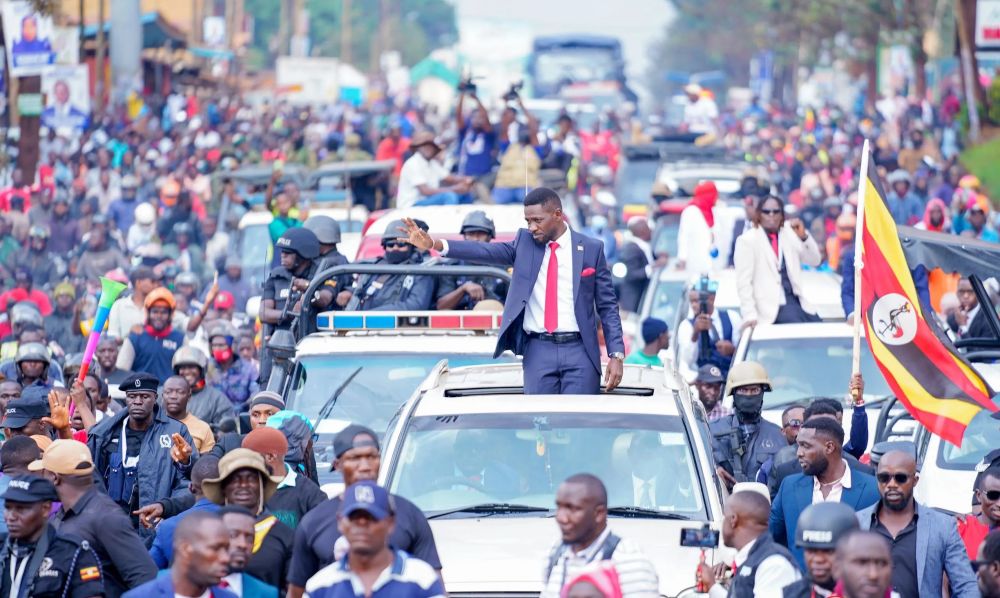
Observers warn, however, that the space for dissent has tightened, with escalating concerns over civil society restrictions, media controls, and the intimidation of opposition figures.
Against this backdrop, campaigning styles vary across the political spectrum. Some candidates have opted for high-visibility launches designed to generate media buzz, yet many incumbent Members of Parliament favor a quieter strategy rooted in local engagement.
“The campaign timeframe is enough for us to traverse the whole constituency without panic. Our people know what we’ve done, and they’ll decide based on our performance,” said Ibrahim Ssemujju Nganda, an opposition vocal incumbent MP for Kira Municipality.
The Uganda Communications Commission and the Ministry of ICT and National Guidance have convened regional engagements with broadcasters nationwide, stressing the importance of balanced, fact-based reporting and the prevention of misinformation.
As Uganda’s electorate prepares for the biggest exercise in national voting since the abolition of presidential term limits in 2005, expectations are high. The scale of engagement, tens of thousands of candidates for tens of thousands of seats, underlines the breadth of the contest.
Yet the election is also widely regarded as a test of the country’s democratic institutions, a measure of whether peace, fairness and genuine choice will underpin the outcome.
With so many positions up for grabs and so many voices in the mix, how the campaign unfolds in the coming weeks may well shape not just the result, but the direction of Ugandan politics for years to come.
