
The conflict in the eastern Democratic Republic of Congo entered a defining phase this week as AFC/M23 rebels surged into the strategic lakeside city of Uvira, marking their most significant advance since February.
The movement, fighting government forces since early December, pushed steadily through the Ruzizi plain, toppling one government position after another and redrawing South Kivu’s military map in a matter of days.
Reports on Tuesday confirmed that rebels had entered and effectively taken control of Uvira, although the movement led by former election chief Corneille Nangaa did not immediately claim the capture.
Even without formal acknowledgment, the symbolism is unmistakable that Uvira, the second-largest city in South Kivu and a critical government anchor, has slipped from Kinshasa’s grasp.

A city whose geography shapes the war
The unique geography makes it the hinge on which the next phase of the conflict may turn. Wedged between the towering plateaus to the west and the vast expanse of Lake Tanganyika to the east, the city has always been both a gateway and a choke point.
To the north stretches the Ruzizi Plain, a 90-kilometre corridor that FARDC, Burundian forces and Wazalendo militias attempted to transform into a defensive barrier.
To the south, the fragile lake-and-road link to Fizi and Kalemie forms the city’s main supply and withdrawal route, now under threat as rebels expand control along the axis.
Control of the heights above Uvira is decisive. Analysts long warned that whoever dominates the plateaus dominates the approaches below. With the AFC/M23’s rapid advance through Kamanyola, Luvungi, Sange and Luberizi, that scenario is now reality.
If the rebels consolidate positions in these elevated zones, Uvira could be encircled completely, leaving the Kavimvira crossing into Burundi as its only feasible exit. Should that corridor close, Uvira would effectively be sealed off.
The rapid collapse of the government coalition
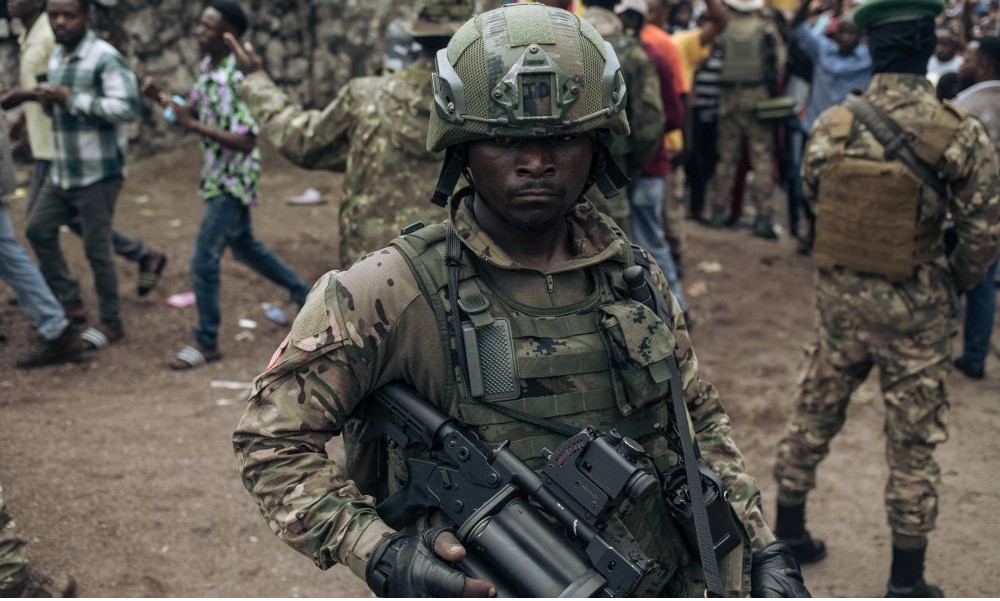
The offensive that brought Uvira to the brink began with fierce fighting in Kamanyola, where Burundian troops, part of the government coalition, launched air attacks from inside Burundi.
The clashes displaced thousands, forcing many to seek refuge in Rwanda as government forces attempted to halt the rebels’ momentum.
But after holding Kamanyola over the weekend, the rebels swept south, capturing towns across the Ruzizi plain and forcing Congolese and allied troops into disorderly retreat.
The government coalition defending Uvira consisted of Burundian soldiers, FDLR elements, Wazalendo militias and foreign mercenaries. Resistance collapsed swiftly and multiple Burundian and Congolese troops reportedly withdrew as far as Bujumbura.
The situation was worsened by long-standing accusations that the coalition imposed blockades on Minembwe, home to the Banyamulenge community. The AFC/M23 has consistently argued that the conflict is internal and demanded the withdrawal of Burundian forces.
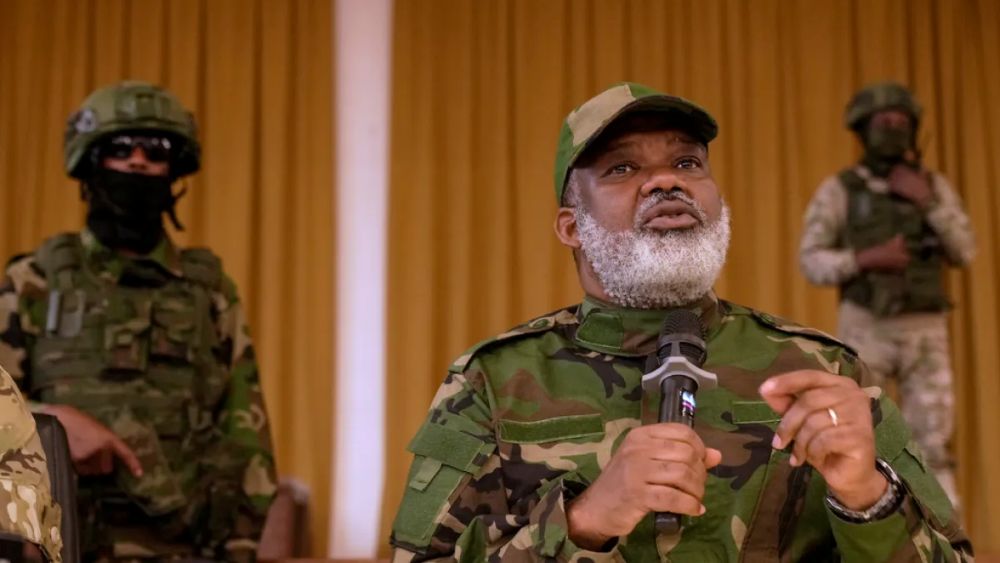
Speaking in Goma on Tuesday, Nangaa reaffirmed this position: “The Burundian government has taken on the heavy responsibility of direct involvement in an unjustifiable war against our people. Why are our Burundian brothers inserting themselves into a conflict that does not belong to them?” he questioned.
A humanitarian panic and a city in freefall
For Uvira’s roughly 700,000 residents, fear was already mounting even before rebels entered the city. Gunfire from the surrounding plateaus signaled that the frontline was closing in. Tens of thousands fled toward Burundi and Kalemie.
Humanitarian organizations have begun withdrawing, citing collapsing FARDC morale, internal clashes among allied militias and a rapidly tightening rebel encirclement. Analysts describe Uvira as a city in “freefall.”
What Uvira’s fall means to DRC and the region
The fall of Uvira completes a chain of losses that began with Goma in January and Bukavu in mid-February. Militarily, it erases the last major node anchoring Kinshasa’s presence in South Kivu.
With the rebels having already appointed a governor in Bukavu, the provincial administration, previously relocated to Uvira, is now again displaced and increasingly uncertain of its future.
The implications radiate far beyond the battlefield because Uvira is a critical trading hub linking DRC with Burundi, Rwanda, Tanzania and Zambia. Its capture effectively hands the AFC/M23 influence over a core economic artery of the Great Lakes region.
For Burundi, just across the Ruzizi River, the situation amounts to the country’s most serious national security threat in more than a decade.
For Kinshasa, it represents a severe political setback with the erosion of both territorial control and credibility at a time when peace negotiations remain fragile.
A future clouded by uncertainty
Despite multiple rounds of negotiations and ceasefire agreements mediated in Qatar, the facts on the ground continue shifting in the rebels’ favor.
The fall of Uvira underscores how fragile the situation has become and raises urgent questions about the sustainability of the government’s military strategy, and whether Kinshasa can withstand further advances.
Uvira’s capture is a structural turning point, reshaping military realities, regional dynamics and the political balance in the Great Lakes.
And as the rebels tighten their grip, the question now is not simply whether Kinshasa can reclaim the city, but whether it can prevent the conflict from entering an even more destabilizing phase.

