
For decades, the Democratic Republic of Congo (DRC) has been depicted in international discourse as a land cursed by its wealth, trapped in cycles of conflict supposedly driven by competition over natural resources.
While minerals and geopolitical rivalries play a role, this simplified narrative dangerously obscures the deeper, more unsettling truth.
The reality on the ground points to a systematic campaign of ethnic violence, particularly against Congolese Tutsis, that bears the hallmarks of genocide.
The violence directed at Tutsi communities, especially the Banyamulenge and those in North Kivu, is not incidental, nor can it be reduced to collateral damage of resource wars.
It is deliberate, organized, and sustained by coalitions of actors that include elements of the Congolese army (FARDC), the FDLR militia, rooted in perpetrators of the 1994 Genocide against the Tutsi in Rwanda, the Wazalendo, and even Burundian forces.
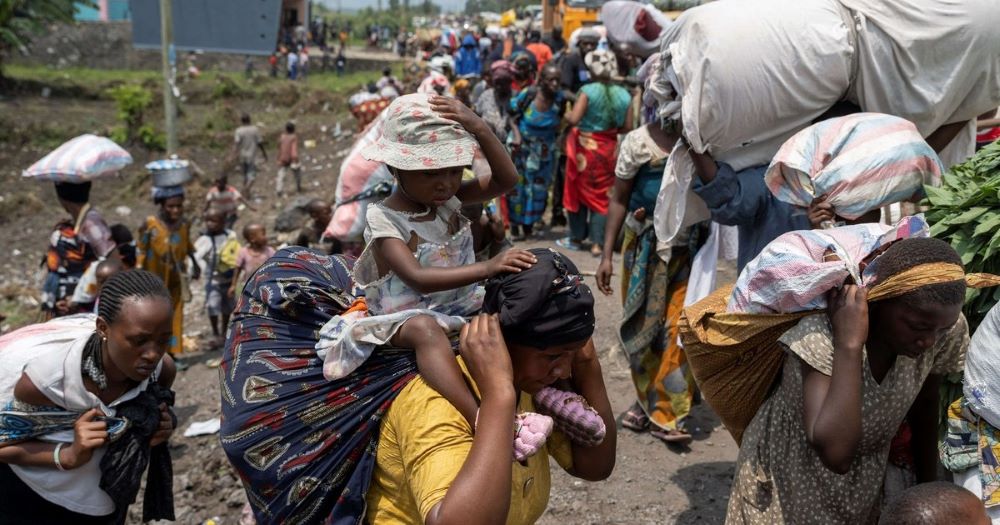
Reports from international experts and independent organizations reveal patterns of targeted expulsions from ancestral lands in Uvira, Fizi, Mwenga, Rutshuru, and Masisi. These campaigns are not about securing mines; they are about erasing communities.
International law stipulates that acts committed with the intent to destroy, in whole or in part, a national, racial, or ethnic group constitute genocide.
The international community applied this principle in Yugoslavia and Sudan, where state complicity in ethnic cleansing and massacres was prosecuted at the International Criminal Tribunal for the former Yugoslavia (ICTY) and at the International Criminal Court (ICC).
By those same standards, the crimes against Congolese Tutsis cannot be dismissed as random brutality. They fall within the legal definitions of genocide and crimes against humanity.
If history is anyyhing to learn from, survivors of the Mudende massacre in Rwanda on August 22, 1997, know too well what unchecked hatred produces. That night, over 1,000 Congolese Tutsi refugees were slaughtered by FDLR, then known as ALIR, in what was meant to be a place of safety.
The same militia has since continued its reign of terror, killing civilians in eastern Congo, assassinating the Italian ambassador Luca Attanasio in 2021, and carrying out unspeakable atrocities including mass rapes, lynchings, and even cannibalism.
For the thousands of Congolese Tutsi still scattered across Rwanda, Uganda, and beyond, these horrors are not distant memories but recurring nightmares.
Today, nearly 100,000 Congolese Tutsi refugees live in Rwanda, many of them displaced since 1996. Others reside in Uganda, Kenya, Burundi, and across the globe.
For decades, they have dreamed of returning home, yet the persistence of the FDLR and its entrenchment within the Congolese military has made return impossible. Their ordeal will not end until the militia is dismantled.
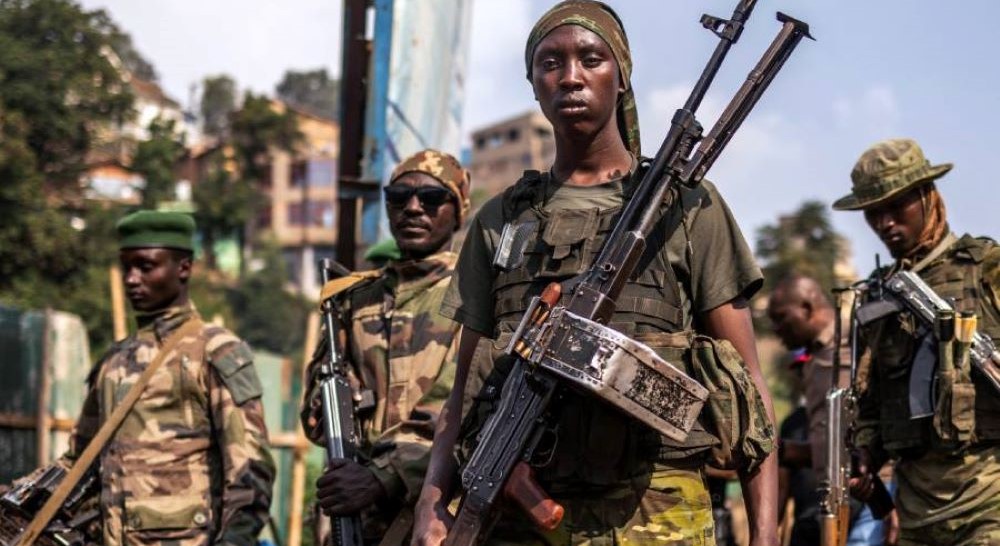
Neutralizing the FDLR is not simply a security priority; it is a moral and legal necessity for peace in the Great Lakes Region. Foreign Minister Olivier Nduhungirehe recently reminded the world that silencing the guns in Africa is possible if the root causes of conflict are confronted.
Speaking at the Tokyo International Conference on African Development (TICAD), he emphasized that “renewed urgency is needed in addressing the underlying root causes of conflicts such as bad governance, corruption, discrimination, and genocide ideology, which are deeply rooted in countries such as the DR Congo.”
His words underline a truth too often neglected in global debates: without addressing genocide ideology and state complicity, no amount of peacekeeping will end Congo’s cycle of violence.
The Washington Peace Agreement signed earlier this year, alongside the Doha process, offers a pathway for reconciliation. It explicitly recognizes the need to neutralize the FDLR, whose presence remains the principal source of instability in eastern Congo.
Yet peace agreements mean little if ignored on the ground. Survivors of Mudende, Gatumba, and countless other massacres remind us that paper promises cannot substitute for decisive action.
The international community has both the tools and the obligations to act. Congo is a signatory to the 1948 Genocide Convention and the Rome Statute of the ICC, which mandate the prevention and punishment of genocide.
These frameworks are not symbolic, they are binding. The ICC prosecutor must investigate crimes committed against Congolese Tutsis, and the United Nations should establish an independent fact-finding commission to document atrocities with precision.
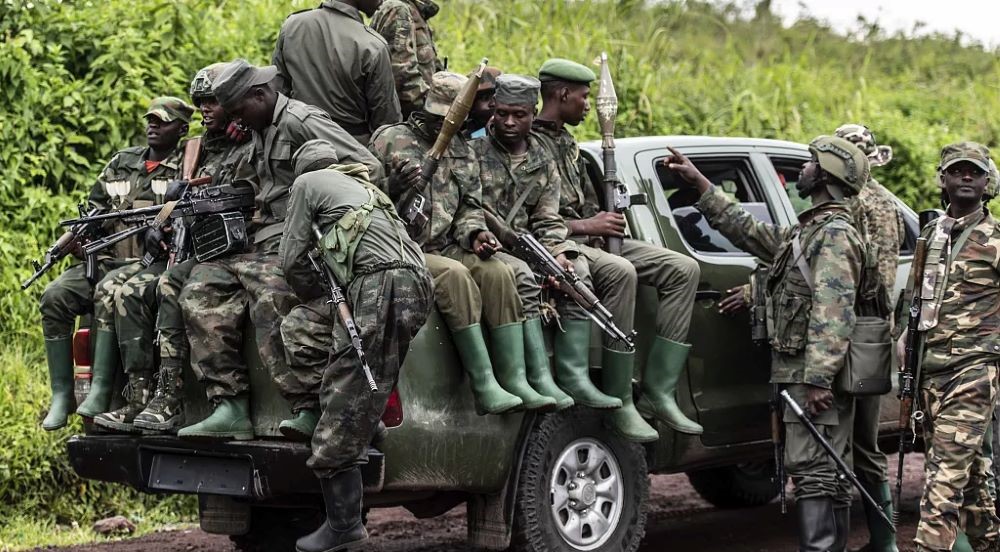
At the same time, the UN Security Council should adopt targeted sanctions against political and military leaders complicit in ethnic persecution.
Peace in Congo and the Great Lakes Region is inseparable from accountability. The cycle of impunity that has allowed the FDLR and its allies to operate for decades must be broken.
Genuine protection of civilians requires ending collaboration between state forces and genocidal militias, ensuring displaced communities receive humanitarian support, and guaranteeing that the refugees scattered across East Africa and the diaspora can one day return home without fear.
The story of Congo is not just about resources. It is about lives, identities, and the survival of communities deliberately marked for destruction. To ignore the genocidal dimension of Congo’s conflicts is to repeat the moral failures of the past.
The world cannot claim ignorance. The signs are clear, the patterns well documented, and the history tragically familiar. What remains is the question of will.
If Africa is to silence the guns by the end of this decade, it must begin in eastern Congo. Neutralizing the FDLR, holding perpetrators accountable, and dismantling genocide ideology are not optional steps, they are the foundation for any lasting peace.
The world failed Rwanda in 1994. It cannot afford to fail Congo today.
