
The Democratic Republic of Congo (DRC) finds itself at the center of a gripping legal and political drama as former President Joseph Kabila faces trial in absentia on charges of treason, war crimes, and orchestrating an insurrection.
The trial, which began in July, has brought the spotlight back onto Kabila, who has remained outside the country for the past two years but continues to wield influence over Congolese political life.
During a tense session on Friday, military prosecutor General Lucien Rene Likulia called on the court to impose the death penalty, accusing Kabila of serious offenses linked to the Rwanda-backed M23 rebel group.
Prosecutors allege that Kabila played a central role in supporting the militants, orchestrating attacks across the resource-rich eastern provinces, and plotting to overthrow President Felix Tshisekedi.
Among the charges are homicide, torture, rape, and the forcible occupation of Goma, a key city seized by M23 forces in January before a permanent ceasefire was reached with the government in July.
Kabila, who served as president from 2001, following the assassination of his father, Laurent Kabila, until 2019, has vehemently denied the allegations. Describing the judicial proceedings as “an instrument of oppression,” he maintains that the trial is politically motivated.
Despite his absence, Kabila’s influence remains evident, particularly in eastern DRC, where the M23 and its political arm, the Congo River Alliance (AFC), have been active. Some observers claim Kabila plays a critical role in the M23’s offensive.
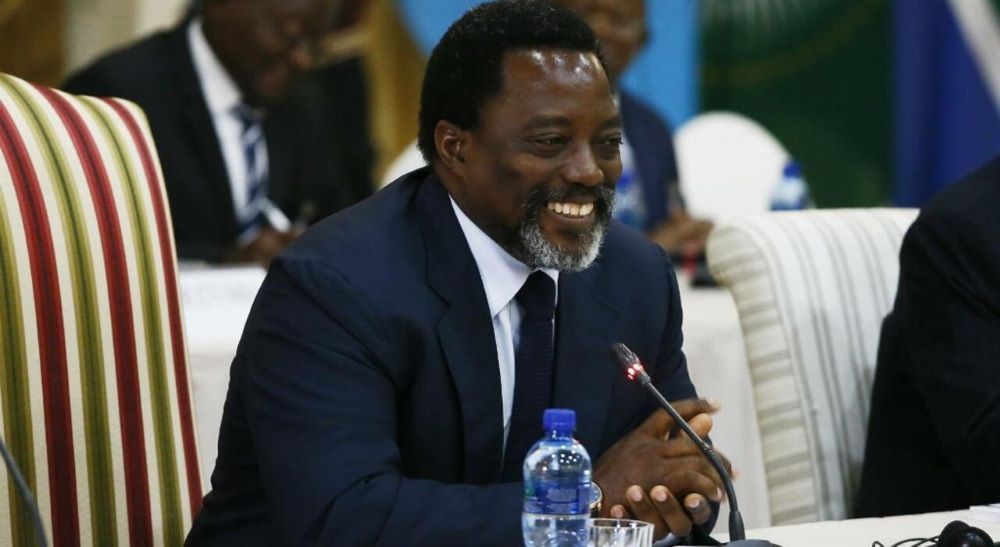
Enduring influence and controversy
The trial comes amid the ongoing instability in eastern DRC, where decades of conflict have been exacerbated by resource-driven violence and the resurgence of armed groups since 2021.
The prosecution portrays Kabila as one of the architects of the Congo River Alliance, working to forcibly challenge the constitutional government. Meanwhile, M23 officials have sought to distance themselves from the former president, describing the trial as part of a “malevolent strategy” against him.
Kabila’s return to Goma in May, where he met with local religious leaders in the presence of M23’s spokesman Lawrence Kanyuka, highlighted his continued relevance in the region.
President Tshisekedi has repeatedly accused him of masterminding unrest in the east, blaming him for the prolonged humanitarian and security crisis.
Although the DRC lifted a moratorium on the death penalty last year, no executions have been carried out, leaving the potential sentence in this trial largely symbolic but politically charged.
As the proceedings unfold, the trial of Joseph Kabila is set to shape both the political landscape of the DRC and international perceptions of justice in a country long plagued by instability.
The verdict will test not only the strength of the judiciary but also the delicate balance of power in a region still reeling from decades of conflict.
