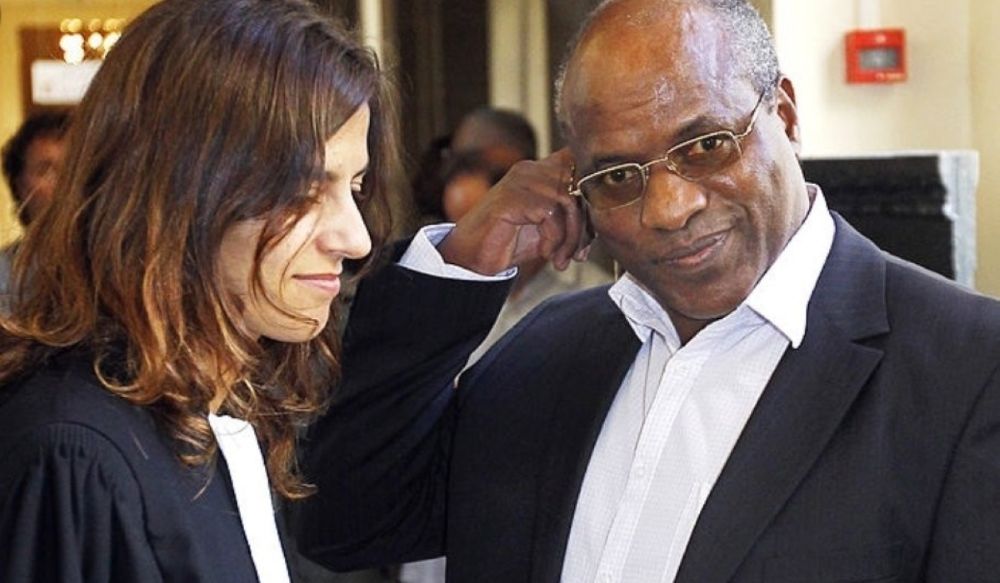
KIGALI – More than 30 years after the 1994 Genocide against the Tutsi, France is stepping up efforts to hold suspects accountable, with the latest decision against Cyprien Kayumba, a former lieutenant colonel in the ex-FAR, now set to stand trial.
In Paris, an appeals court overturned an earlier decision that had halted proceedings, to pave way for him to face charges of complicity in genocide and crimes against humanity. This marks a significant shift in a case that has lingered for years.
Kayumba, 71, once served as Director of Financial Services in Rwanda’s Ministry of Defense, where he was responsible for sourcing and distributing weapons. Prosecutors argue that these weapons were used in the mass killings of Tutsi civilians.
His alleged involvement extends to high-level military meetings in the early days of the genocide and efforts to secure arms deals abroad, even after a United Nations embargo had been imposed.
Although Kayumba admits to facilitating weapons purchases, he denies knowing they would be used in the genocide, insisting he acted under official orders. French prosecutors have disputed this claim, pointing to continued arms procurement during a period when the scale and intent of the killings were already evident.
His case reflects a broader pattern. France has increasingly relied on its courts to pursue genocide suspects living on its territory, with eight convictions already secured and more trials expected.
The convicted persons include Pascal Simbikangwa, Octavien Ngenzi, Tito Barahira, Claude Muhayimana, Laurent Bucyibaruta, Philippe Hategekimana, Sosthène Munyemana, and Eugène Rwamucyo, whose appeal trial is scheduled for June.
A Case in limbo, a system under scrutiny
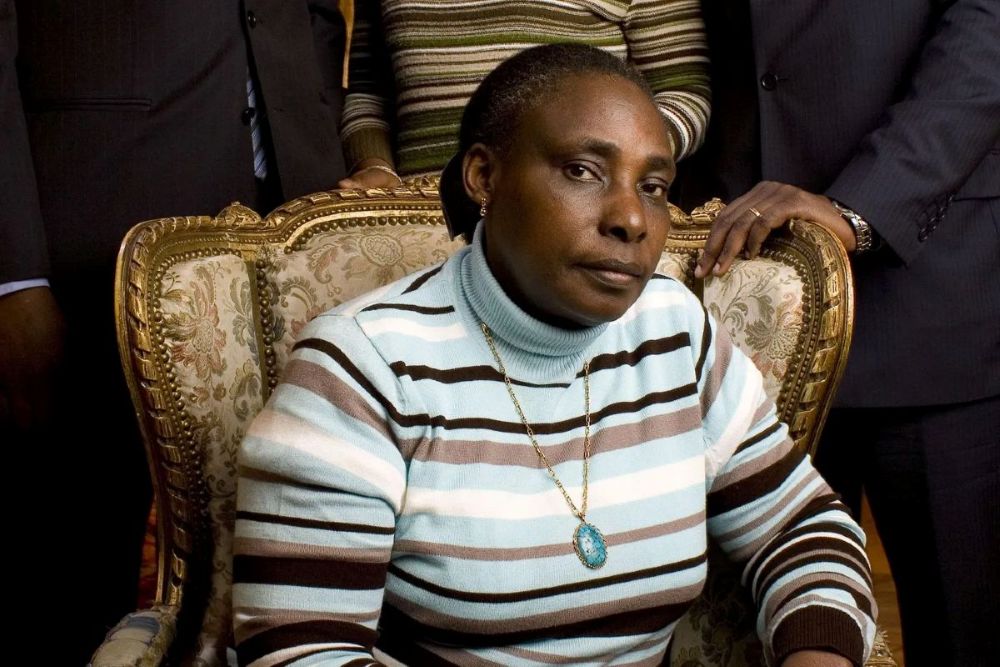
While Kayumba’s case moves forward, another remains stalled. The investigation into Agathe Kanziga, widow of former President Juvénal Habyarimana, has once again been delayed, with a French court postponing its decision on whether she should face trial.
The case, which dates back to 2008, has been marked by repeated legal reversals. Kanziga is accused of being a central figure in the “Akazu,” a powerful inner circle linked to the planning of the genocide.
Despite multiple appeals by prosecutors, courts have yet to determine whether the case will proceed or be definitively closed. Her continued presence in France, where she has lived since 1998, has long been a point of contention, especially given repeated extradition requests from Rwanda.
Much of the persistence behind such cases comes from the Collective of Civil Parties for Rwanda (CPCR), a victims’ rights group that has spent years gathering evidence and pushing for prosecutions.
Their efforts have ensured that cases like Kanziga’s and Kayumba’s remain active within the French legal system.
Truth, memory and the weight of justice
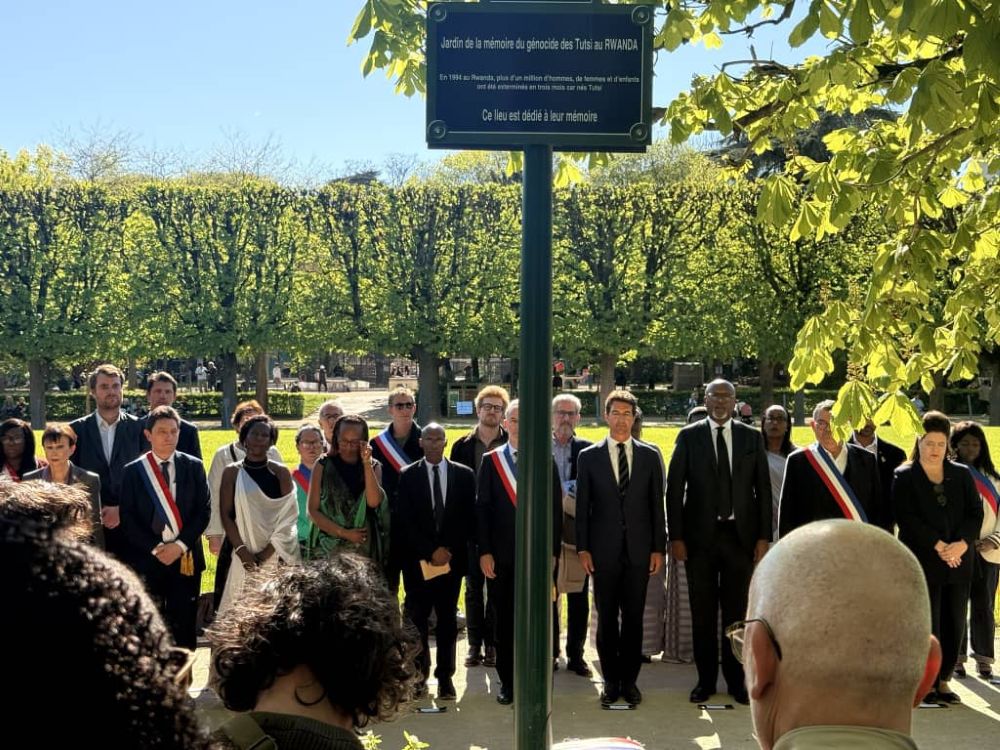
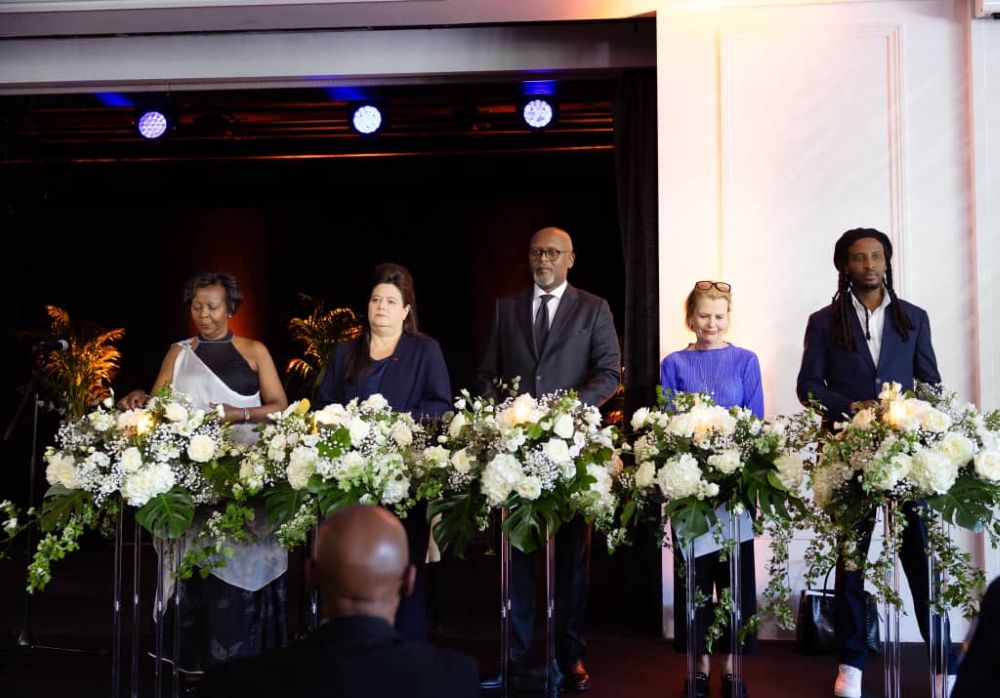
Alongside legal proceedings, France is reinforcing its commitment to preserving the truth about the Genocide against the Tutsi. During the 32nd commemoration in Paris, officials stressed that correctly naming the genocide is a moral and historical duty.
“There is no reconciliation without justice. There is no justice without truth,” said Emmanuelle Blatmann, Director for Africa and the Indian Ocean at the French Ministry for Europe and Foreign Affairs.
France has also taken steps to confront its past, including opening archives and supporting independent research. Plans are underway to establish a memorial in Paris to honor victims and serve as a place of education and remembrance.
Officials emphasized that genocide is not a sudden event, but one built over time through hatred, dehumanization, and propaganda. They warned against denial and distortion, calling for continued vigilance in preserving historical truth.