
KIGALI – André Sebanani, was a gifted artist and journalist whose music and storytelling once captured the rhythms of everyday life, only to be cut short by the violence of the 1994 Genocide against the Tutsi.
His journey, defined by creativity and purpose, remains a powerful reminder of both loss and enduring legacy as the nation reflects on lives lost and the cultural voices that were abruptly silenced.
Born in 1952 in the former Kigoma Commune of Gitarama Prefecture, now part of Nyanza district in the Southern Province, Sebanani’s early life gave little indication of the influence he would later command in Rwanda’s artistic space.
His education took him through Shyogwe and later Collège Officiel de Kigali, though he did not complete his studies. He went on to work as an accountant in Kabgayi, but his passion steadily drew him toward media and performance, where his voice would find its true expression.
Sebanani rose to prominence at Radio Rwanda, where he became a familiar presence across a range of cultural and entertainment programs, including Discothèque-Phonotèque, Urwenya, and Ubuvanganzo bw’umwimerere Nyarwanda.
Through these platforms, he connected with audiences using humor, music, and storytelling rooted in Rwandan tradition. His work extended into theatre as a member of the “Indamutsa” troupe, where his performances combined creativity with social insight, earning him widespread recognition.
Music, however, became his most enduring medium. Sebanani’s songs resonated deeply with listeners, reflecting everyday experiences while addressing broader social values. In compositions such as Karimi ka shyari, Urabaruta, and Zuba ryanjye, he explored themes of love, humility, and the dangers of jealousy and division.
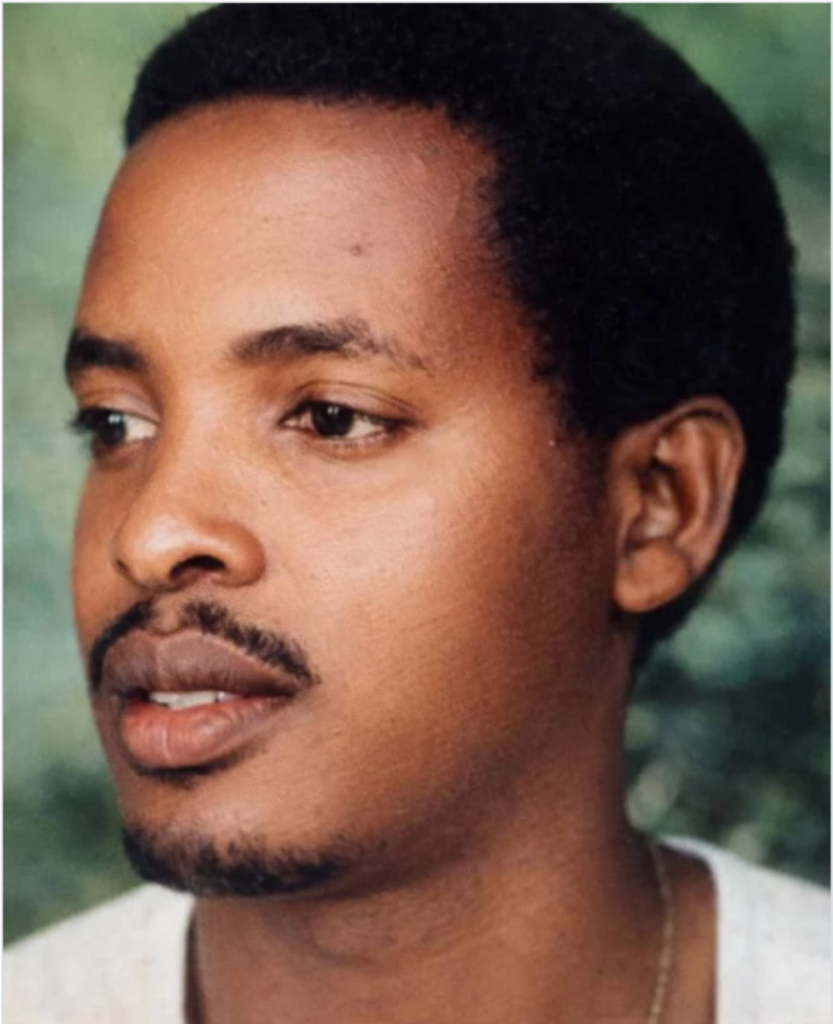
His ability to play instruments like the piano, guitar, and traditional drums added depth to his artistry, allowing him to craft work that was both expressive and meaningful.
His musical journey began in earnest in 1973 when he joined the band “Vox Populi.” He later co-founded the orchestra “Impala,” a group that would gain national acclaim and remain influential for years.
It was during this period that he earned the nickname “Pépé la Rose,” reflecting his vibrant personality and artistic identity. Through both group and solo work, Sebanani became a defining figure in Rwanda’s evolving cultural scene.
Yet, his life was also marked by adversity. In 1990, he was imprisoned after being accused of collaborating with the Inkotanyi. Although he was later released, he faced professional exclusion, as the national media institution declined to reinstate him.
Despite these setbacks, he remained grounded, continuing to embody the values reflected in his work. His messages were accessible, allowing his audience to see themselves in his stories and songs.

A voice rooted in society
What set Sebanani apart was not only his artistic talent, but the purpose that shaped his work. He used his platform to reflect the realities of Rwandan society, addressing family life, personal conduct, and relationships with clarity and conviction.
Through music like Karimi ka shyari, he cautioned against envy and encouraged people to embrace contentment and mutual respect. His work consistently rejected hatred, division, and pettiness, promoting instead empathy and unity.
Whether on stage, on air, or in song, Sebanani positioned himself as both an entertainer and social commentator, using creativity to guide and inspire.
Those who knew him recall a man defined by warmth and generosity. He had a natural ability to bring people together, often using humor and conversation to create connection. His personality mirrored his art, both grounded in a commitment to positivity and shared humanity.
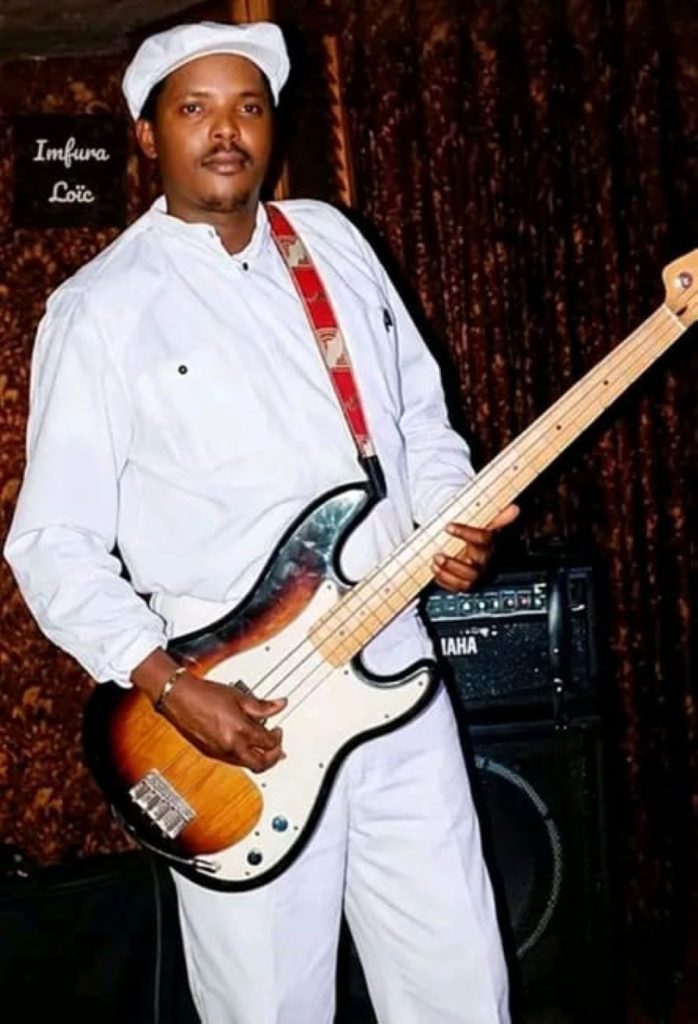
A life remembered beyond silence
In 1994, André Sebanani was killed during the Genocide against the Tutsi, his voice silenced at a moment when the country descended into unimaginable tragedy. His death marked not only the loss of a talented artist and journalist but also the disappearance of a cultural voice that had consistently advocated for unity and understanding.
He left behind his wife, Mukamulisa Anne Marie, whom he married in 1979, and their four children. Today, his legacy endures through his body of work and the values he championed. His songs continue to echo, carrying messages that remain relevant in a society still healing and rebuilding.
As Rwanda remembers, Sebanani’s story stands as a testament to the power of art and the cost of its loss. Though his melody was silenced by genocide, its resonance lives on, reminding future generations of the importance of unity, truth, and humanity.
