Kigali, Rwanda – Rwanda is preparing to establish a dedicated fund aimed at strengthening microfinance institutions and lowering the cost of credit for low-income households, as the country seeks to deepen financial inclusion and improve access to affordable financing.
The proposed initiative was announced by the Association of Microfinance Institutions in Rwanda (AMIR), which confirmed that a feasibility study has been completed for the fund.
The facility is intended to address persistently high interest rates on loans provided by microfinance institutions, a concern frequently raised by clients who largely come from low-income backgrounds.
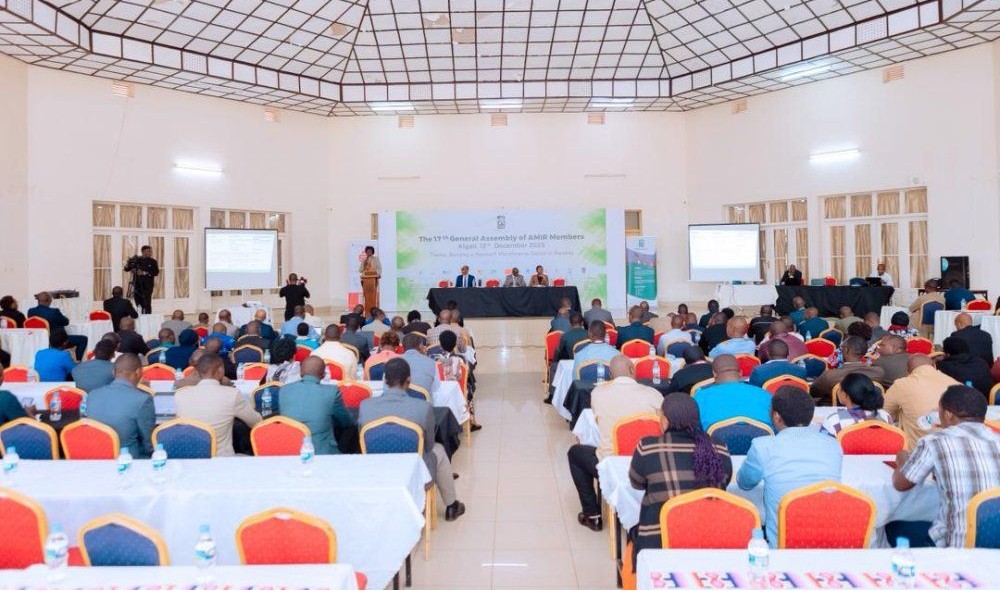
The plan was presented during the 17th General Assembly of AMIR held in Kigali last week where stakeholders assessed the performance of the microfinance sector and discussed measures to enhance its effectiveness and sustainability.
Clients of microfinance institutions have repeatedly cited two major challenges including high interest rates and delays in loan approval.
Many borrowers say lengthy processing times often undermine the purpose of seeking credit, especially when loans are meant to finance time-sensitive opportunities such as land purchases or small business investments.
Currently, loans issued by microfinance institutions, including Umurenge SACCOs, attract interest rates of about 24 percent per year. This is notably higher than rates offered by commercial banks in Rwanda, which generally remain below 20 percent.
The difference is significant for microfinance clients, who typically have fewer financial buffers and limited access to alternative credit sources.
The Chairperson of AMIR’s Board of Directors, Damien Nsanzimfura Gatera, said the proposed Microfinance Liquidity Fund is expected to enable institutions to access cheaper capital, allowing them to offer more affordable loans to their clients.
“AMIR, together with Access to Finance Rwanda, has been working on this fund. The feasibility study has been completed, and we are now focusing on establishing a clear operational framework, because resources cannot be mobilized before the structure and guidelines are in place,” he said.
Rwanda has achieved high levels of financial inclusion, with about 96 percent of the population having access to financial services. However, effective usage remains relatively low.
Only around 20 percent of financially included citizens actively use microfinance services such as savings accounts and loans, highlighting a gap between access and meaningful participation.

The Ministry of Finance and Economic Planning has acknowledged this challenge. Cyrille Hategekimana, Director in charge of banks and microfinance institutions at the ministry, said that expanding access must go hand in hand with making financial services affordable and relevant.
“Our goal is not just to ensure that services reach the population, but that people are able to use them in a way that supports their economic progress,” he said, adding that addressing high interest rates requires coordinated efforts from policymakers, regulators and financial institutions.
According to the National Bank of Rwanda, the total value of the country’s leading microfinance institutions had reached Rwf1 trillion by September this year, underscoring the sector’s growing role in the economy.
In addition to the proposed fund, the government is considering structural reforms such as consolidating Umurenge SACCOs at the district level, a move expected to improve efficiency and reduce lending rates from 24 percent to between 2 percent and 14 percent.