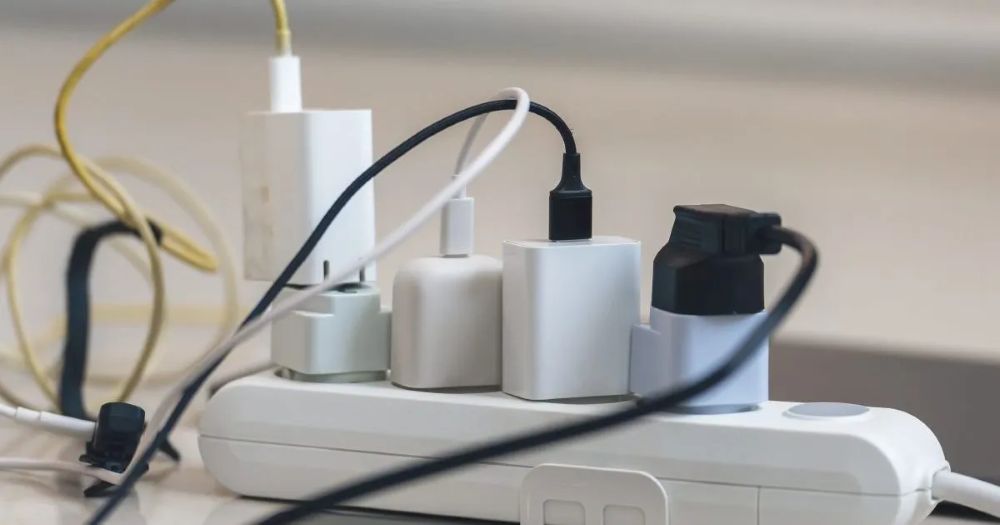
Kigali, Rwanda – Modern homes are filled with devices that depend on daily charging, from smartphones and tablets to laptops and wireless accessories. With this constant cycle of use, chargers are frequently left plugged into wall outlets long after devices are fully powered.
While this may seem harmless, keeping chargers connected when they are not in use has implications for energy consumption, household safety, and the lifespan of the chargers themselves.
Idle chargers continue to draw electricity even without a device attached. Over time, this contributes to higher energy bills and unnecessary power waste.
Beyond cost, prolonged exposure to electricity can cause chargers to overheat, increasing the risk of damage or fire. Understanding what happens when chargers are left plugged in can help households make better decisions about energy use and safety.
Should you unplug your chargers when not in use?
Leaving a charger plugged in occasionally is unlikely to cause immediate harm. However, consistently keeping multiple chargers connected across a home can lead to cumulative effects that are often overlooked.
Each plugged-in charger continues to consume a small amount of electricity, which adds up when multiplied by the number of devices in a household.
Experts always recommend unplugging chargers when you’re not actively using them. Even if a charger isn’t connected to a phone or device, it still draws a small amount of electricity just by being plugged into the wall.
It might not seem like much on its own, but if you multiply that across every charger and electronic device in your home, it adds up over time.
Beyond energy use, safety is a key concern. “Leaving chargers plugged in can pose a fire risk, especially if the wiring inside the charger is low quality or becomes damaged over time,” says Germain Ishimwe, a Kigali based electrician working REG.
“I’ve seen outlets scorched or short-circuited by cheap third-party chargers that overheat. Even high-quality chargers can overheat in certain conditions, so unplugging them when not in use is just good common sense,” Ishimwe says.
What to know about vampire energy
The electricity drawn by idle chargers is often referred to as vampire energy or phantom load. This term describes the power devices consume even when they appear to be off or inactive.
While the amount of electricity used by a single charger is minimal, it becomes significant over long periods.
“Vampire energy (also called phantom load) refers to the electricity that devices consume even when they’re turned off or in standby mode. Idle chargers are a classic example, they constantly sip power just by being plugged in,” Ishimwe notes.
“A single charger might draw only 0.1 to 0.5 watts, but across a year, and especially in households with many devices, it can add up to wasted energy and money,” he warns.
This continuous drain contributes to unnecessary electricity consumption and increases demand on power systems, making it an easy target for households aiming to reduce energy waste.
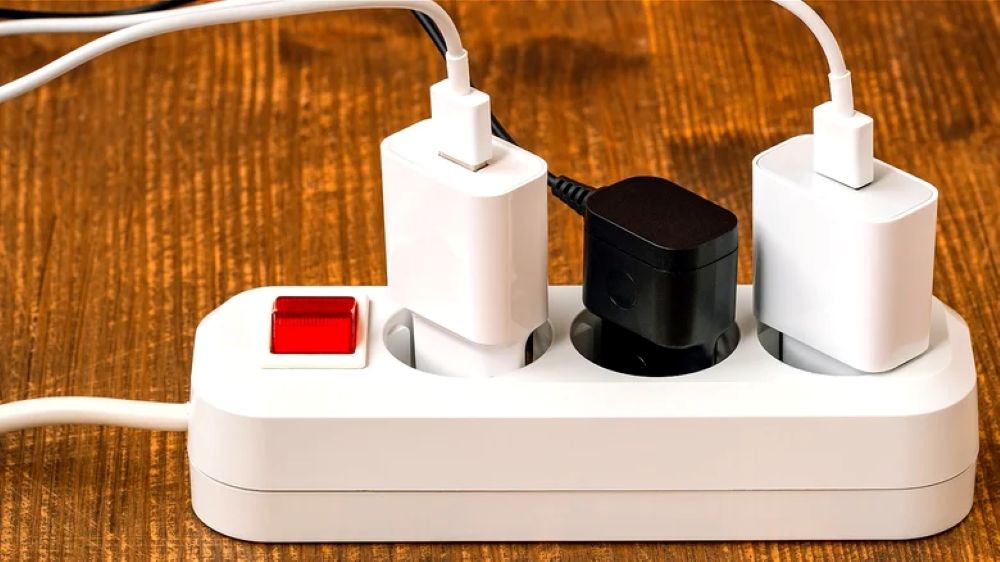
Other benefits of unplugging a charger
Keeping a charger plugged in offers one clear convenience: it is ready for immediate use. However, unplugging chargers provides several advantages that outweigh this minor benefit.
Reduced energy consumption leads to lower electricity bills, while decreased heat exposure helps extend the life of chargers and connected devices.
“Constant exposure to power, especially in homes with voltage fluctuations, can slowly degrade the internal components of your charger. It’s a simple habit that saves electricity, reduces fire risk, and helps your electronics last longer,” Ishimwe explains.
By minimizing continuous power flow, households also reduce wear on outlets and lower the chances of electrical faults.
Tips to simplify the habit of unplugging chargers
Despite understanding the benefits, many people continue leaving chargers plugged in out of routine. Changing this behavior often requires making the habit easier to follow.
One effective approach is to create a dedicated charging area where most chargers are kept together, reducing the number of outlets to monitor. Power strips offer another practical solution, allowing multiple chargers to be switched off at once.
Using energy-efficient chargers and devices can limit passive power use when unplugging is forgotten. Educating everyone in the household also helps ensure shared responsibility rather than relying on one person to unplug everything.
Incorporating unplugging into daily routines, such as before leaving for work or going to bed, reinforces the habit. For added convenience, smart plugs, smart power strips, or timers can automatically cut power after a set period.
These tools ensure chargers stop drawing electricity even when they remain plugged in, offering a balance between convenience and efficiency. By adopting simple changes, households can reduce energy waste, improve safety, and extend the life of their electronic accessories.
