Kigali, Rwanda – The ongoing M23-related conflict in eastern Democratic Republic of Congo (DRC) has steadily evolved from a localized security crisis into a regional humanitarian emergency.
As violence displaced thousands from the territories of Uvira and Fizi, neighboring Burundi became a primary refuge. Yet what began as a temporary sanctuary is now marked by hardship, despair, and avoidable loss of life.
This unfolding tragedy is as a result of Burundi’s decision to keep the Gatumba border closed, a move that has ceased to function as a security measure and increasingly resembles a humanitarian failure.
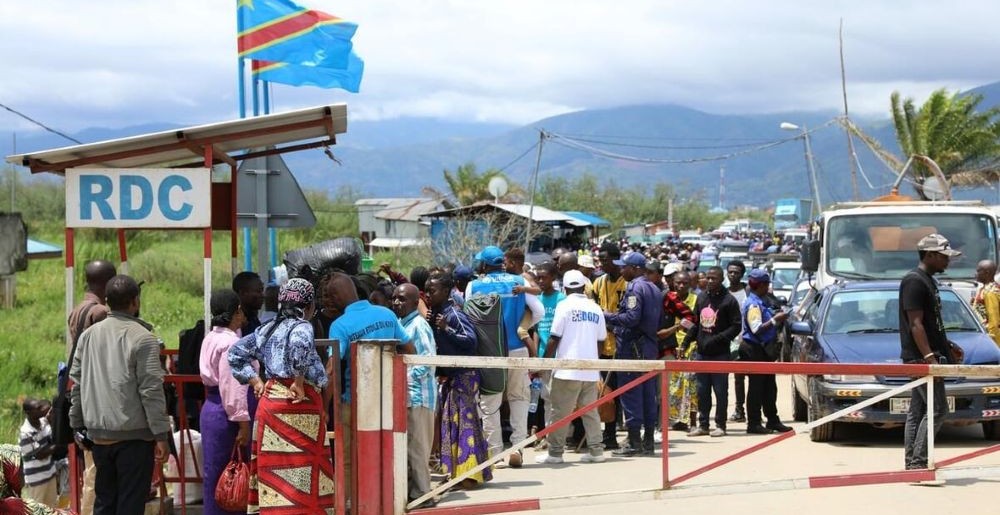
Burundi shut down the Gatumba border post on December 12, 2025, following the deployment of its troops into eastern DRC. The closure was justified on security grounds, but its prolonged enforcement has created consequences far beyond military considerations.
Tens of thousands of civilians now find themselves stranded, unable to return home, trapped in transit camps, and pushed toward dangerous alternatives simply to regain control over their lives.
Before the border closure, Gatumba was an economic artery that sustained communities on both sides. Eastern Congolese relied heavily on Bujumbura for fresh produce, vegetables, fish, flour, and manufactured goods.
At the same time, Burundians crossed into Uvira to access fuel and other necessities during shortages. These daily exchanges supported transport businesses, informal traders, and thousands of women and young people locked out of formal employment.
The border economy was not only peripheral but also central to local survival, unfortunately now that entire system has now collapsed. Traders who once depended on cross-border commerce report selling almost nothing.
Transporters are immobilized. informal workers, especially women and youth, have lost their only source of income. The closure has not insulated Burundi from instability; it has imported economic strain and social vulnerability.
According to economic analyst Diomede Ninteretse, Burundi risks losing far more economically if the Uvira route remains closed, potentially surpassing even the losses suffered by eastern DRC.
As commerce declined, humanitarian pressure surged. According to the UN Refugee Agency, more than 100,000 people fled eastern DRC into Burundi within a matter of weeks.
UNHCR has scaled up its response but has openly acknowledged that needs are rising faster than available resources, prompting another international fundraising appeal. Yet inside the camps, time is measured not in pledges but in lives.
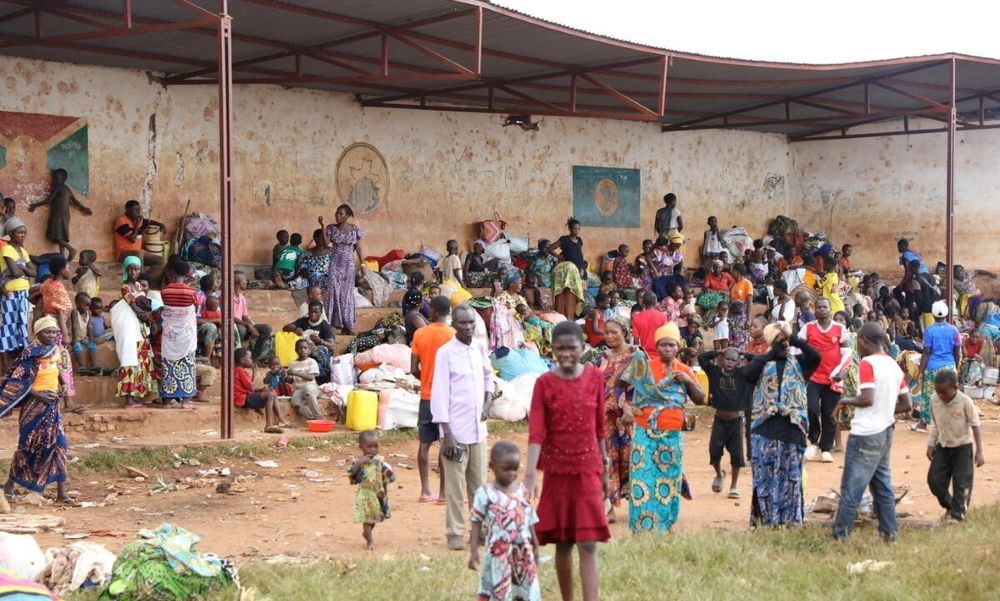
Congolese refugees are currently housed in transit camps in Rugombo, Rumonge, and Gatumba. Conditions in these sites are increasingly dire. The Citizen Organization for Peace and Community Coexistence reports that at least 105 Congolese have died in just two weeks.
These deaths are linked not to armed violence, but to severe shortages of shelter, healthcare, and organized humanitarian support. The true toll may be higher, masked by underreporting and overwhelmed systems.
What makes this situation particularly troubling is that many of those affected are not asking for permanent asylum or long-term aid. They want to go home. They want to return to Uvira voluntarily, safely, and with dignity.
Instead, the continued border closure has left them stranded in conditions so harsh that returning through official channels feels impossible.
When policy forces people into danger
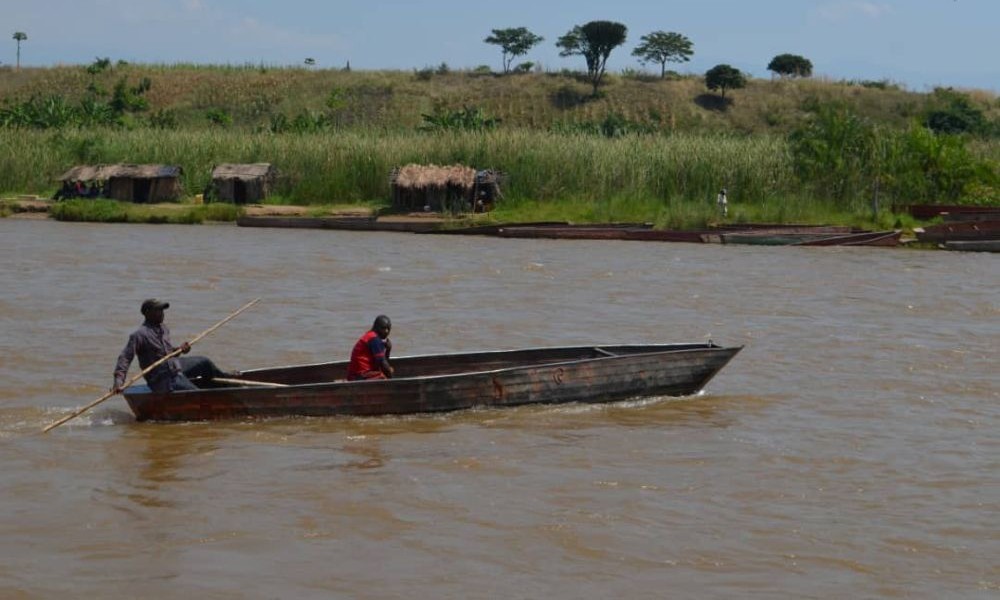
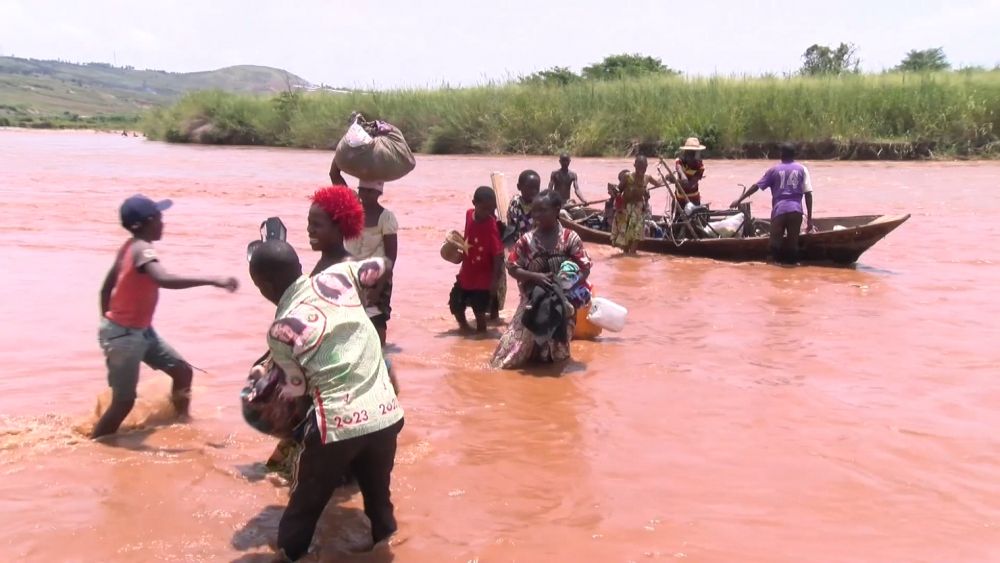
In the absence of legal crossings, desperation has driven civilians to extreme measures. Videos circulating on social media show men, women, and children attempting to cross the Rusizi River to bypass the closed border.
These are not reckless acts but calculated risks taken by people fleeing the consequences of policy paralysis. When civilians choose a river over a border post, the system has failed its most basic humanitarian duty.
Critics argue that a response focused on fundraising while people actively risk death to leave camps reflects misplaced priorities. Emergency aid is essential, but it cannot replace political decisions that prevent harm in the first place.
Reopening the border, even temporarily and under supervision, would immediately reduce risk, ease pressure on camps, and restore agency to displaced civilians. It would also be far less costly than sustaining a prolonged humanitarian emergency.
Security concerns are legitimate, but security without humanity becomes self-defeating. A closed border that forces civilians into danger does not enhance stability; it undermines it.
When people are willing to risk death simply to go home, something has gone profoundly wrong. Thus reopening the Gatumba is not a security concession, it is a humanitarian imperative.