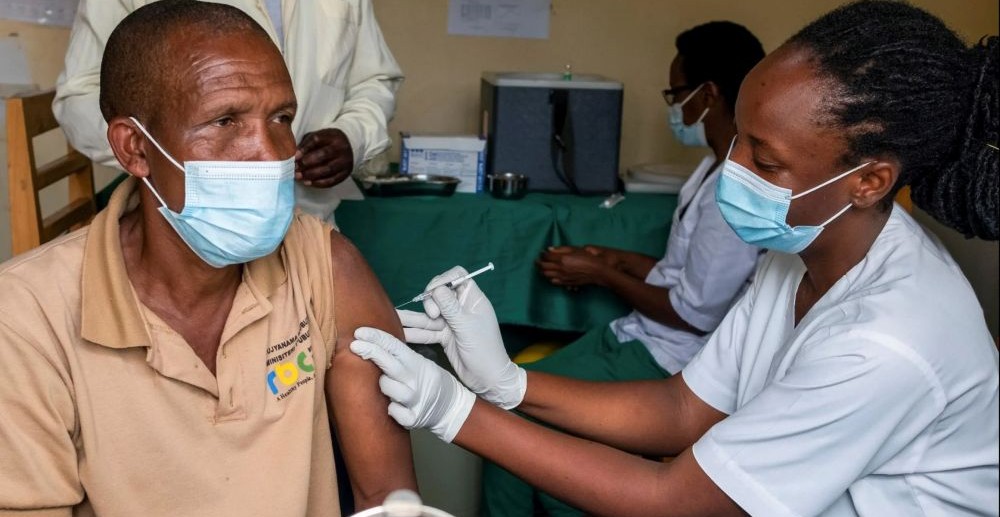
Kigali, Rwanda – Kigali has emerged as the African city with the best access to healthcare, according to the latest survey on medical service quality and accessibility conducted as part of the 2025 ranking of the 30 most attractive African cities.
The survey, which assessed residents’ perspectives on healthcare availability alongside other factors such as quality of life, infrastructure, business, and essential services, placed Kigali at the top of the list.
East African cities generally performed well in the ranking, with Dar es Salaam coming second, Mombasa seventh, and Nairobi fourteenth.
This strong statistic reflects the region’s ongoing investments in health infrastructure, human resources, and service delivery, contrasting sharply with some North and West African cities, where healthcare access remains a pressing challenge.
Moroccan cities, for instance, lag behind in the survey. Tangier ranks 29th, Marrakech 26th, and Casablanca 25th, while Rabat fares slightly better at 16th place.
These results mirror recent social unrest in Morocco, where protests by young citizens in October highlighted inadequate access to care, particularly following the deaths of eight women at Hassan II Hospital in Agadir due to insufficient medical services.
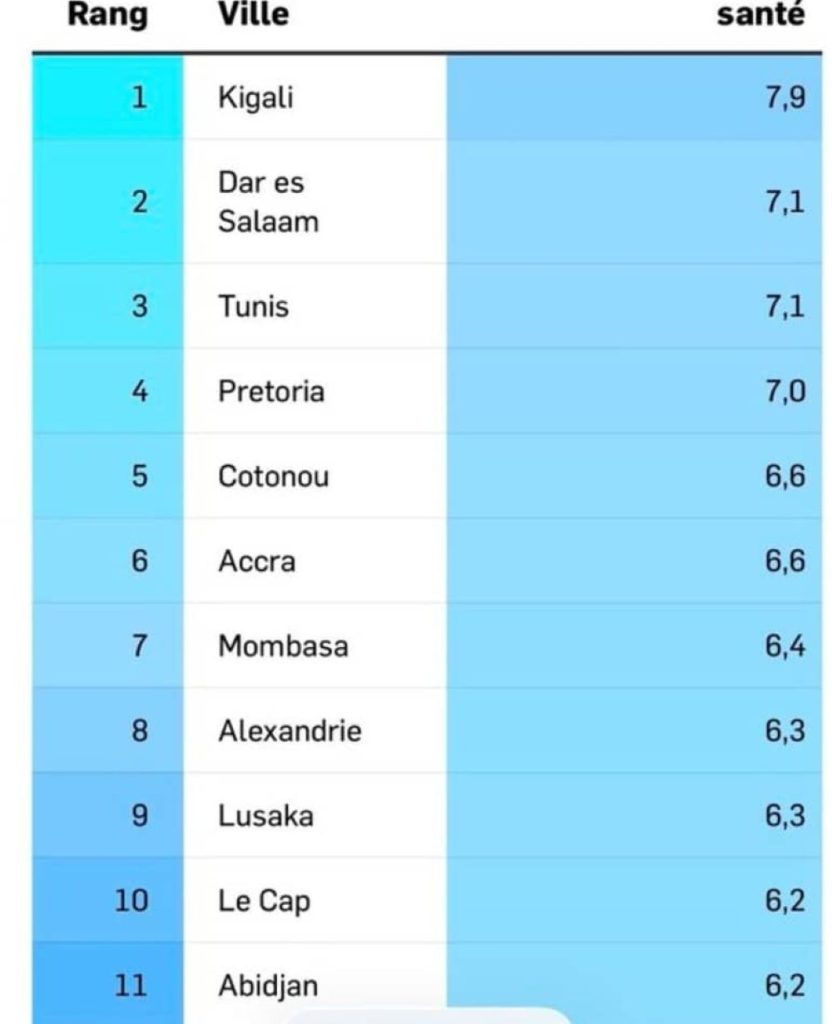
Tunis, however, performs significantly better, ranking third in the survey, demonstrating a stronger healthcare system compared to its regional neighbors.
In South Africa, cities such as Pretoria, Cape Town, and Johannesburg performed well, whereas Durban ranked lower. In West Africa, Cotonou and Accra stood out for their healthcare accessibility, while Lagos and Abuja remain in the lower half of the ranking.
According to a 2022 World Health Organization report, Africa averages 1.55 healthcare professionals per 1,000 people, far below the 4.45 per 1,000 recommended for universal health coverage.
Rwanda’s commitment to expanding healthcare access, coupled with a growing cadre of trained medical personnel, underpins its top ranking.
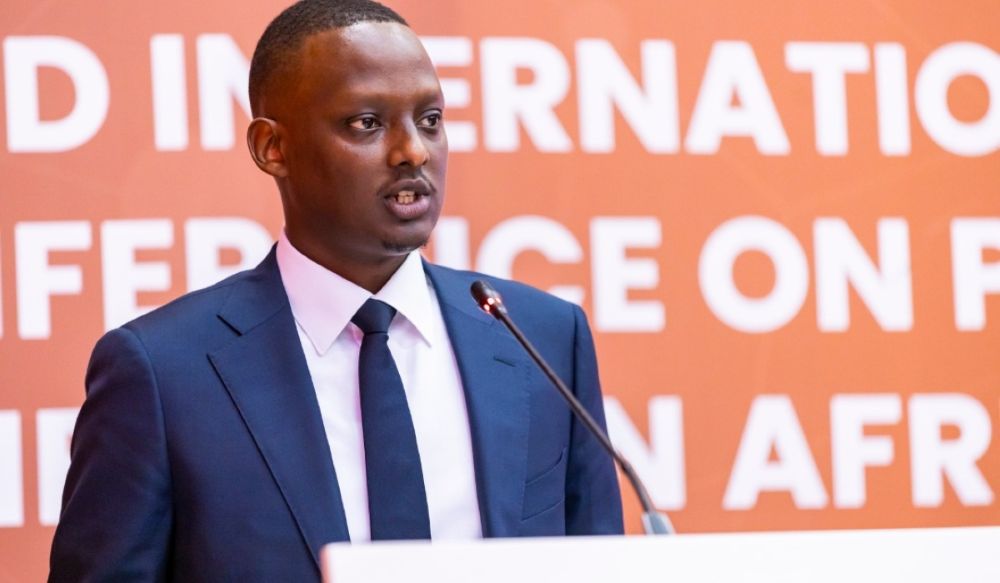
State Minister for Health, Yvan Butera, underscored the government’s approach, saying, “Continuous investments, proximity care, human resources, and digital tools remain at the heart of the effort to go further: expanded access, strengthened quality.”
Rwanda’s success demonstrates how strategic investment in health systems can translate into tangible improvements for citizens, positioning Kigali as a model for urban healthcare access across Africa.
How Rwanda built its healthcare edge
Rwanda’s leading position in healthcare access is the result of deliberate policies and targeted investments. After the 1994 Genocide against the Tutsi, the government prioritized rebuilding a system that reaches all citizens, particularly in rural areas.
Community-based health insurance, Mutuelles de Santé, now covers over 90 percent of the population, reducing financial barriers to care.
The establishment of more than 1,000 primary health posts, alongside 21 second-generation facilities offering specialized services such as maternity, dental, and laboratory care, has shortened travel times and improved accessibility.
Strategic partnerships with international organizations, including Partners In Health, have strengthened professional training, hospital infrastructure, and community outreach.
These combined efforts have created a resilient, inclusive, and increasingly equitable healthcare system, making Kigali a benchmark for other African cities seeking to improve healthcare delivery.
