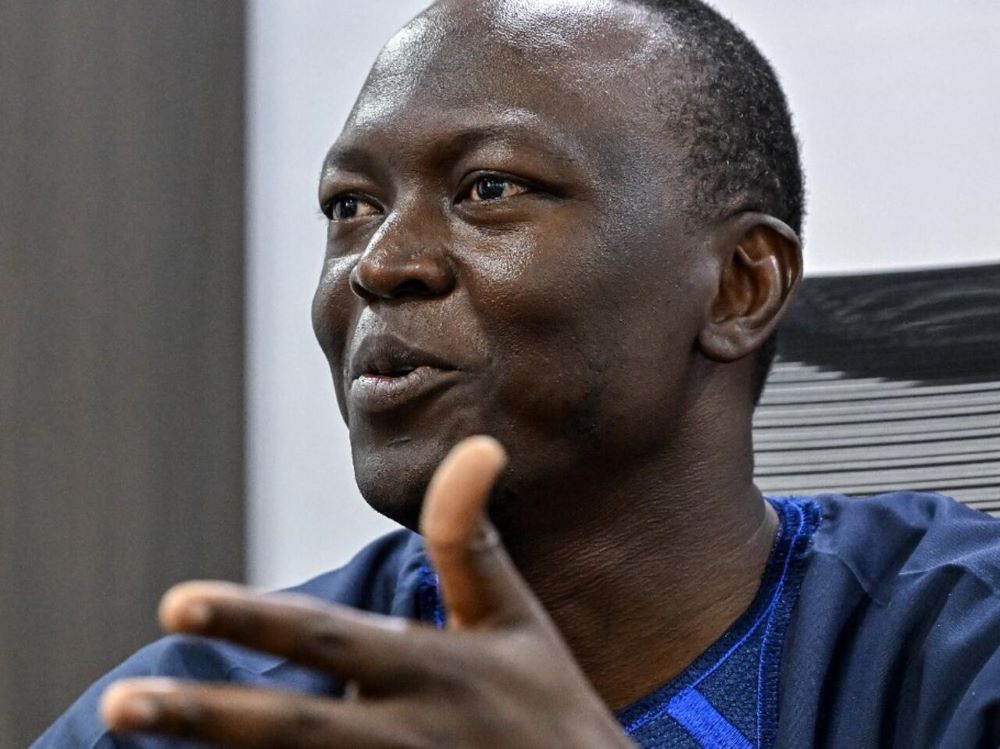
Former Chadian Prime Minister and opposition leader Succes Masra has been handed a 20-year prison sentence after a special criminal court in N’Djamena found him guilty of inciting deadly communal violence earlier this year.
The ruling, delivered on Saturday, followed weeks of hearings in which prosecutors accused Masra of using hate speech, xenophobic rhetoric, and inflammatory messages to stir up tensions.
The tensions reportedly culminated into clashes between herders and farmers in Logone Occidental province on May 14, 2025. The violence left at least 42 people dead and several others injured.
Masra, who heads Chad’s main opposition party, Les Transformateurs (The Transformers), was tried alongside more than 70 co-defendants, many of whom share his Ngambaye ethnic background.
The prosecution alleged that his words and political actions triggered unrest in the southwestern region, which has long been marked by friction between the predominantly Christian and animist south and the largely Muslim-led government in the capital.
The court also imposed a fine of 1 billion West African CFA francs (approximately $1.8 million) on Masra. Prosecutors had initially sought a 25-year sentence, while the defence argued that no concrete evidence linked him directly to the killings.
Throughout the trial, Masra denied all charges, insisting that the case against him was politically motivated. “This is an ignominy and an unworthy humiliation,” his lawyer, Kadjilembay Francis, told reporters outside the courthouse.
He confirmed that the legal team would appeal the ruling. Before leaving the courtroom, Masra addressed his supporters with a brief but pointed message: “Stand firm.” Party activists promised to release a special statement in response to the verdict.
Masra’s political trajectory has been as turbulent as it has been prominent. A vocal critic of President Mahamat Idriss Deby, he first came to prominence as a reformist opposition leader before going into exile in 2022, following a violent crackdown on his supporters.
He returned to Chad in 2024 under an amnesty agreement and contested the presidential election that year, which Deby won with over 61 percent of the vote. Masra rejected the results, claiming electoral fraud, but later entered into a reconciliation deal with Deby and was appointed prime minister in January 2024.
His tenure lasted just five months. In May 2024, he resigned to pave the way for a new government, but his relationship with the ruling authorities remained fraught. By May 2025, tensions had boiled over again, leading to his arrest on May 16, just two days after the deadly violence in Logone Occidental.
During his detention, Masra went on a hunger strike in July to protest his imprisonment, ending it after nearly a week when women supporters demonstrated for his release.
His party, widely supported in the south, has long accused the central government of marginalising non-Muslim communities, a charge the authorities deny.
President Deby came to power in 2021 after the death of his father, Idriss Deby Itno, who ruled Chad for three decades before being killed while fighting rebels in the north.
The younger Deby initially led as head of a transitional military council before securing an electoral mandate earlier this year, a process boycotted or challenged by several opposition factions, including Masra’s.
For his supporters, the conviction is the latest chapter in what they view as a sustained campaign to silence dissent. For his critics, the ruling marks accountability for rhetoric they say inflamed divisions and cost dozens of lives.
The appeal process is expected to be lengthy, and Masra’s political future now hangs in the balance.
As the courtroom emptied on Saturday, the atmosphere remained charged. In N’Djamena’s streets and on social media, reactions were swift and polarized, some calling the verdict a miscarriage of justice, others hailing it as a necessary step toward peace.
